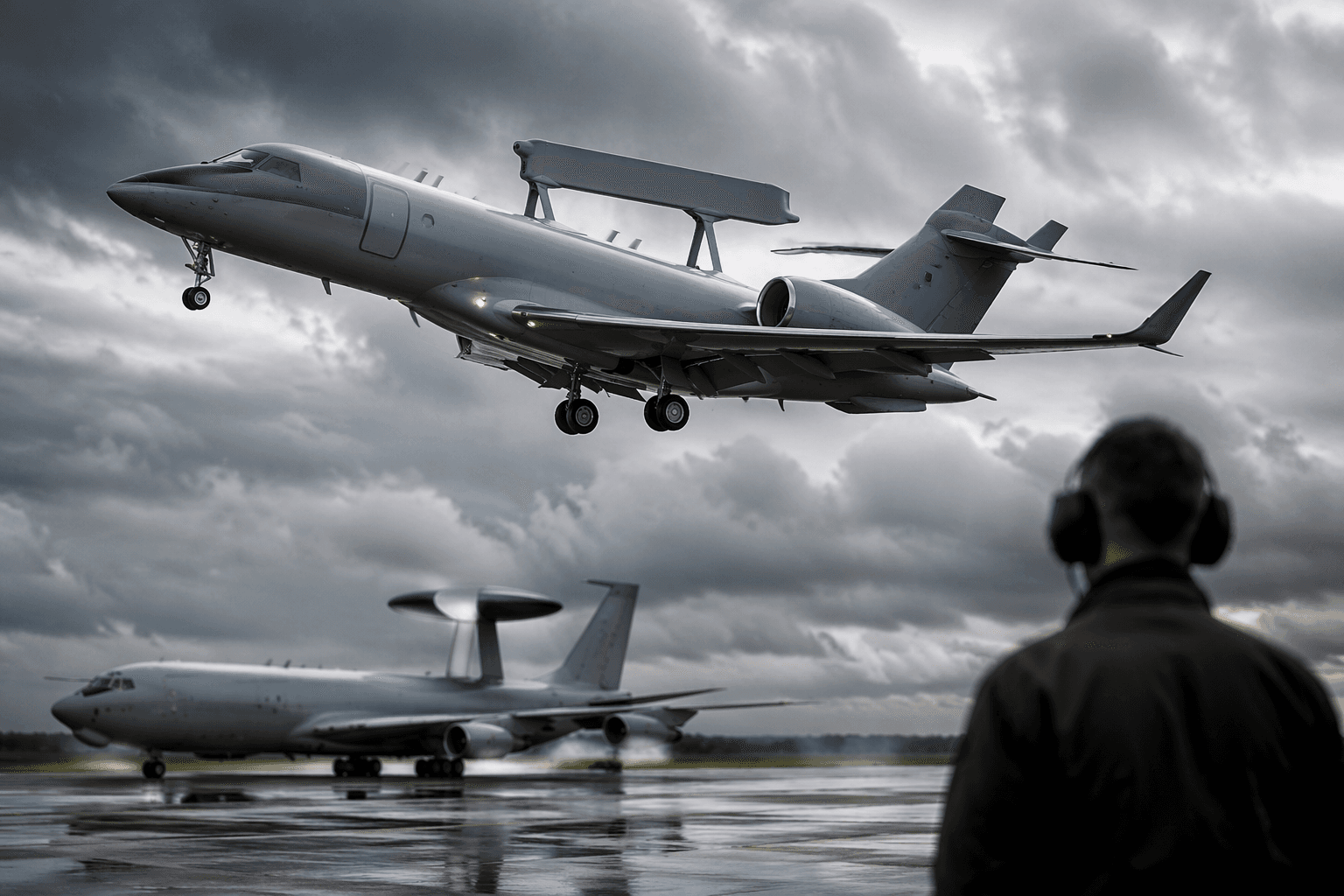
Israel approves billions for new F-35 and F-15 fighter jets
Israel approved 50 more F-35 and F-15IA jets, a move tied to a 350 billion shekel rearmament plan and lessons from the war with Iran.
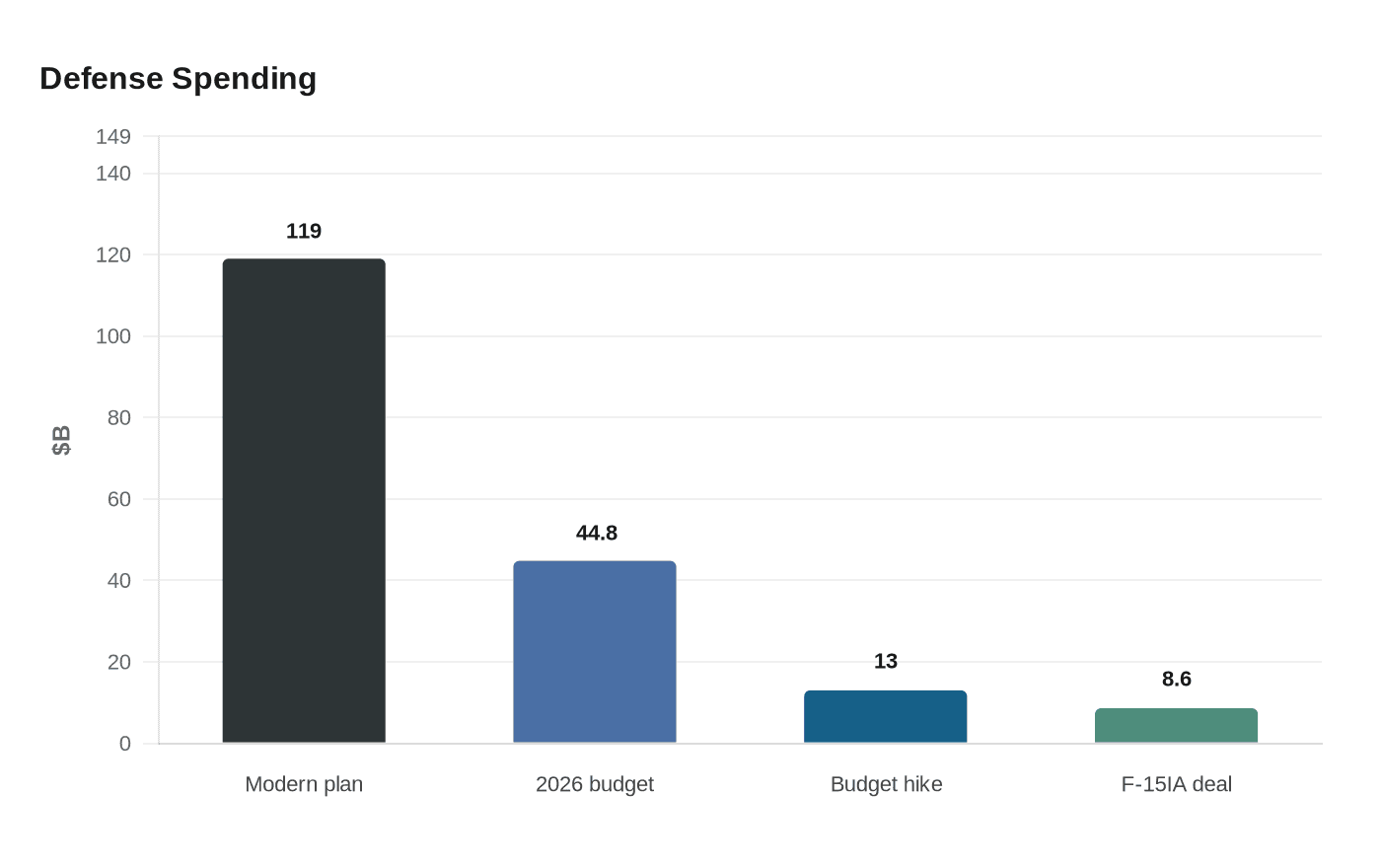
Israel has approved a major expansion of its fighter fleet, moving to buy two new combat squadrons of F-35 and F-15IA aircraft in a deal worth tens of billions of dollars. The approval, granted by the Ministerial Committee on Procurement, is the opening step in a 350 billion shekel, about $119 billion, modernization plan meant to prepare the military for what officials describe as a more demanding decade.
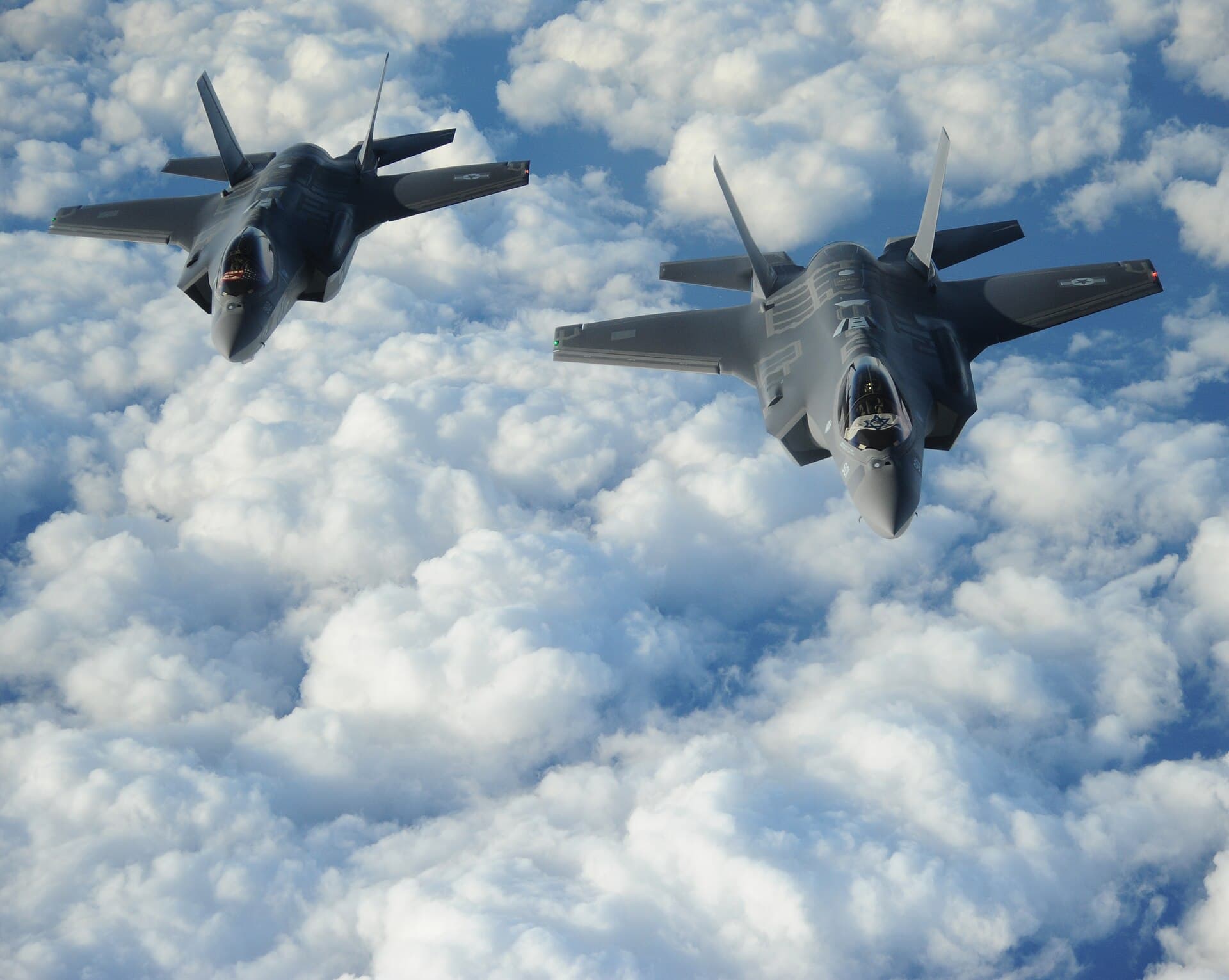
The purchase covers a fourth F-35 squadron and a second F-15IA squadron, with each squadron understood to contain 25 aircraft. If the deal is completed as planned, Israel would add 50 jets and push its F-35I fleet to 100 aircraft. The Ministry of Defense said the package includes full fleet integration, spare parts, sustainment and logistics support, a sign that Jerusalem is planning for long-term readiness, not a one-off acquisition.
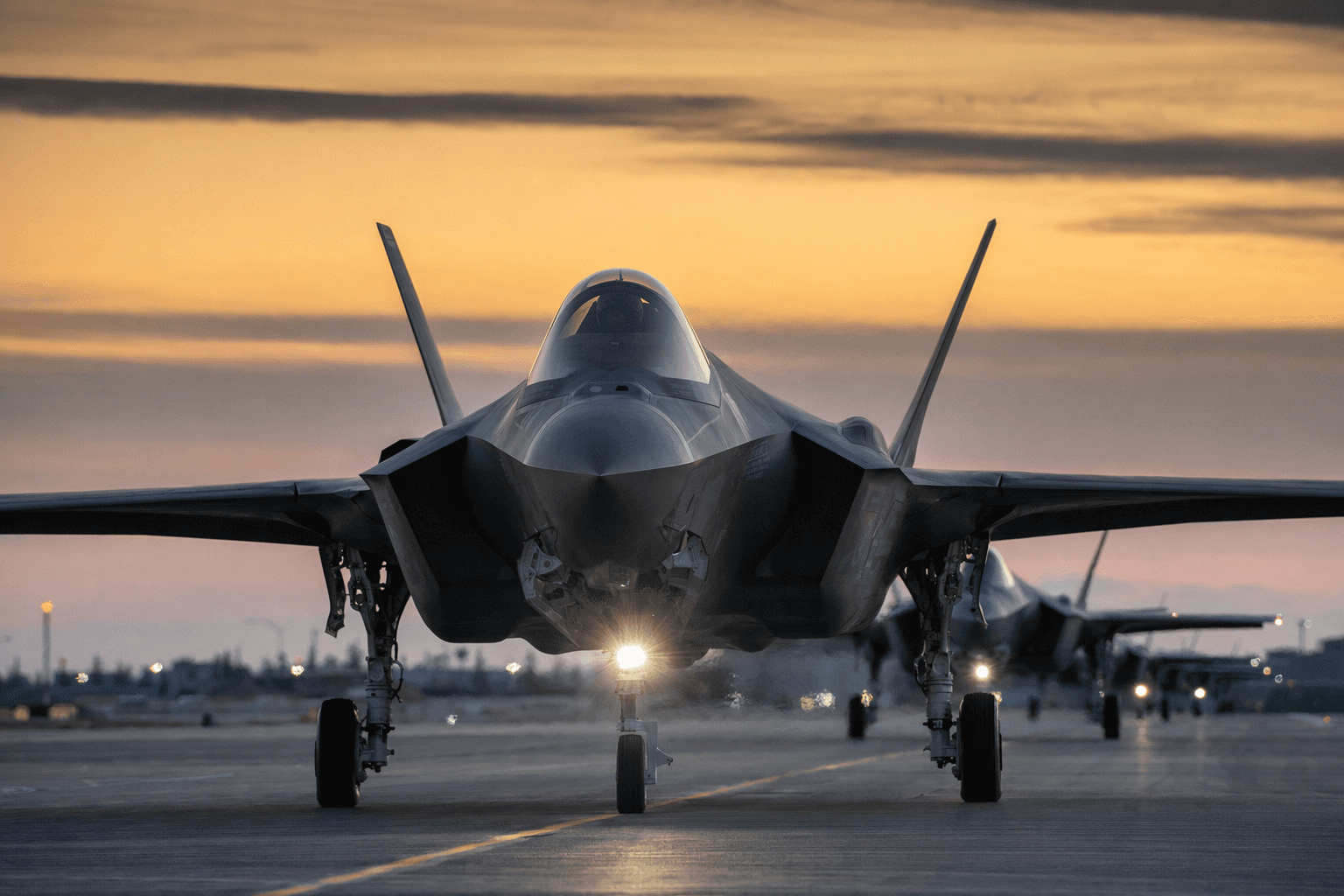
The strategic message is clear. The F-35 and F-15 remain central to Israel’s ability to strike at long range, maintain air superiority and react quickly across the region. That makes the new buy less a routine procurement than a signal about the next phase of Israel’s war planning, with aircraft, munitions stockpiles and domestic production being treated as parts of the same security system. Prime Minister Benjamin Netanyahu said the country would use the expanded defense budget to make more munitions inside Israel so it becomes less dependent on foreign suppliers, while also developing new aircraft.
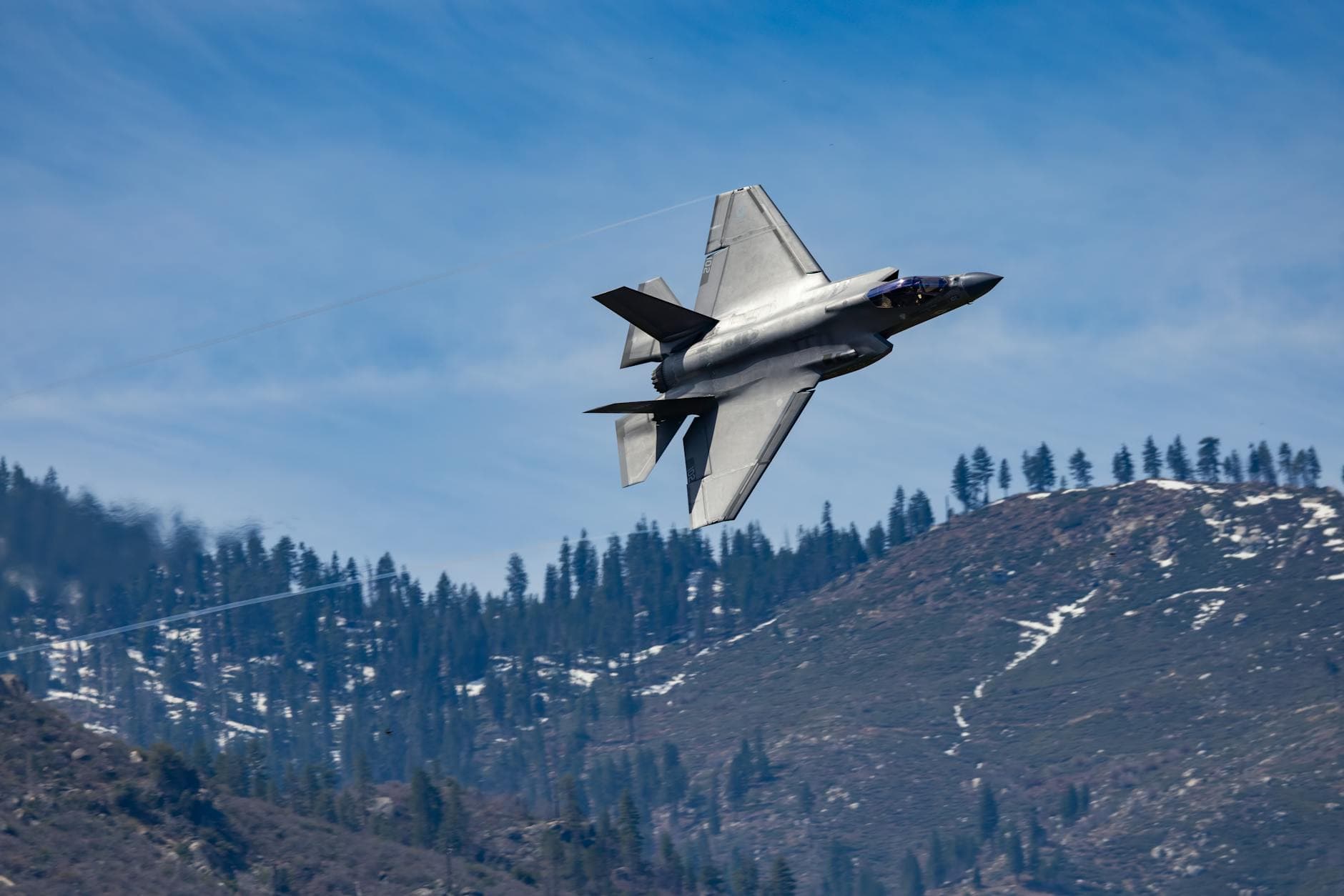
Netanyahu tied the decision to the recent war with Iran, saying the conflict underscored the importance of the U.S.-Israel strategic relationship and the need for advanced air power. The purchase also deepens the role of America’s defense industry, with Lockheed Martin and Boeing set to benefit from one of Israel’s largest air force upgrades in years. It also shows how much leverage Washington still holds, since Israeli officials in the United States must now complete the next steps to finalize the agreement.
The timing reflects a broader rearmament push. Israel’s 2026 defense budget was about $44.8 billion, and the cabinet already approved an additional $13 billion increase tied to the Iran war. Late-2025 reporting also said Boeing had secured an $8.6 billion F-15IA contract for 25 aircraft, with an option for 25 more. Taken together, the numbers point to a military rebuilding on several fronts at once, from production lines and munitions to pilot-ready airframes.
Israel’s experience with the F-35 explains why the aircraft still sits at the center of that plan. It first received the F-35 Adir in June 2016, declared the fleet operational in December 2017 and became the first country known to use the jet in combat in 2018. That history now feeds directly into a procurement strategy built around endurance, deterrence and the expectation that the region’s arms race is only entering its next phase.
This article was produced by Prism’s automated news system from verified source data, official records, and press releases, then run through automated quality and moderation checks before publishing. The system is built and supervised by the people who set the standards it runs under. Read our full AI policy.
Did this article answer your question?