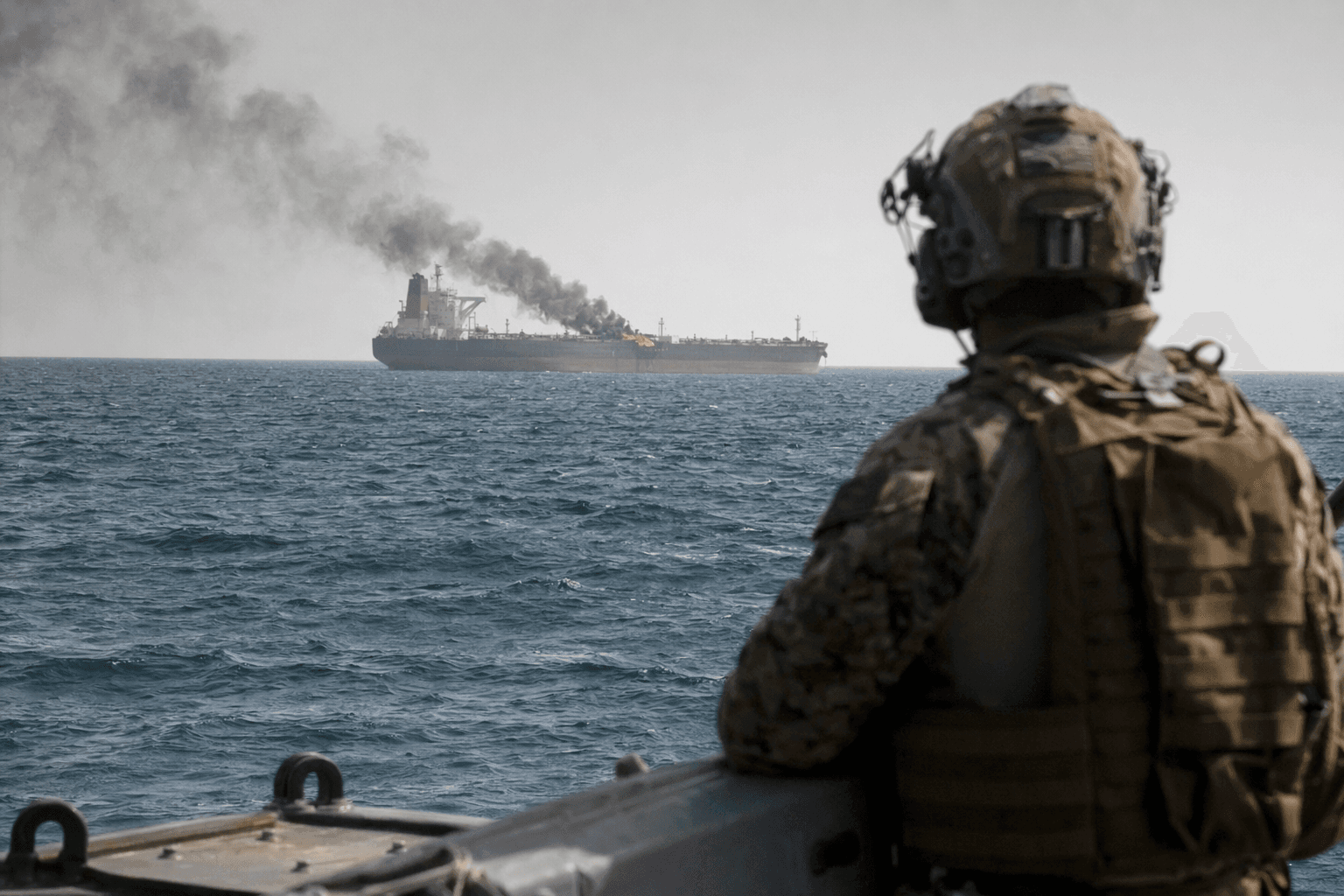
Trump launches Project Freedom to guide stranded ships from Hormuz
Trump ordered Project Freedom to steer stranded ships from Hormuz, where attacks and a shutdown have trapped about 20,000 seafarers and jolted oil markets.

The United States moved to send ships and aircraft into the Strait of Hormuz, a crisis zone that has become one of the world’s most dangerous chokepoints for oil, trade and U.S. military escalation. Donald Trump said the operation, which he called Project Freedom, would begin Monday morning in the Middle East and would help “neutral and innocent” countries move civilian vessels safely out of the narrow waterway.
What “guiding” ships means in practice was not fully explained, but the scale was clear enough to show how close Washington was coming to direct confrontation with Iran. U.S. Central Command said the effort would involve guided-missile destroyers, more than 100 aircraft and 15,000 service members. The Pentagon did not immediately answer questions about the deployment. Trump described the mission as humanitarian, yet also warned that any interference would be met forcefully.
Iran rejected the move almost immediately, calling it a violation of the ceasefire and saying any U.S. interference in the strait would breach the truce. The announcement came hours after Tehran said it was reviewing the American response to its latest proposal to end the war, while making clear those discussions were not nuclear negotiations.
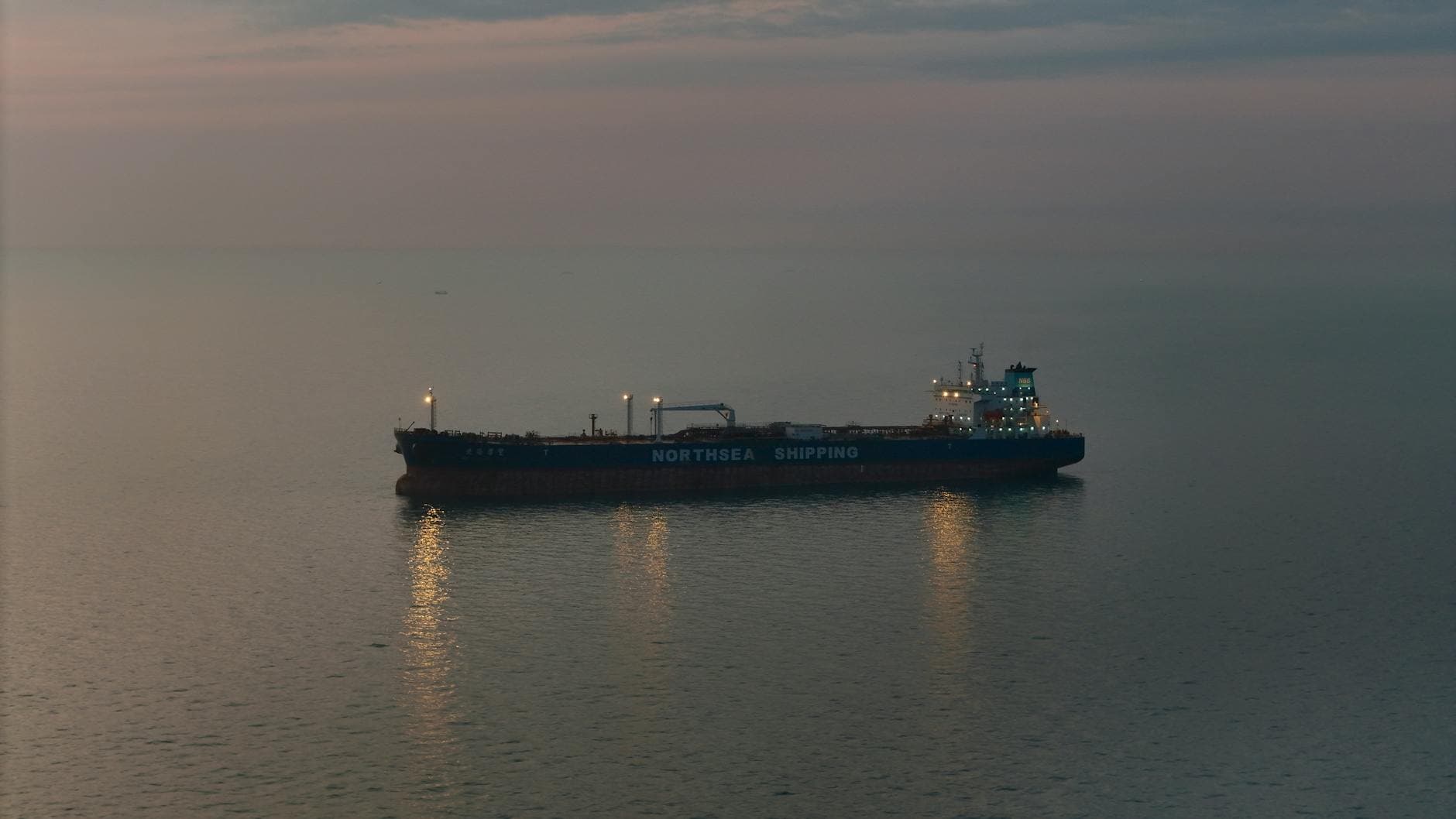
The security picture around the waterway remained volatile. A cargo ship near the Strait of Hormuz reported that it was attacked by multiple small craft off Sirik, Iran, east of the strait, and all crew members were safe. The United Kingdom Maritime Trade Operations center said it was the first reported attack in the area since April 22 and that the threat level remained critical. The monitor said there had been at least two dozen attacks in and around the strait since the war began, even as Iran denied involvement and said a passing ship had only been stopped for a document check.
The stakes extend far beyond the Gulf. The Strait of Hormuz is only 29 nautical miles wide at its narrowest point, with 2-mile-wide shipping lanes, and roughly 20 million barrels per day of crude oil and oil products moved through it in 2025. About a quarter of the world’s seaborne oil trade and as much as 20% of global LNG trade passed through the strait, with about 80% of the oil bound for Asia. The U.S. Energy Information Administration has said there are few practical alternatives if the passage is blocked, and UNCTAD has warned that disruptions can raise freight, bunker fuel and insurance costs while pushing up food and transport prices worldwide. With hundreds of vessels and about 20,000 seafarers already affected, the question is no longer whether Hormuz matters to Americans at home. It is how much disruption Washington is prepared to absorb, and how far it is willing to go to keep the lane open.
Know something we missed? Have a correction or additional information?
Submit a Tip