Australia, Japan pledge $1.2 billion for critical minerals supply chains
Australia and Japan put A$1.67 billion behind rare earths, gallium and nickel projects aimed at weakening China’s chokehold on key industrial inputs.
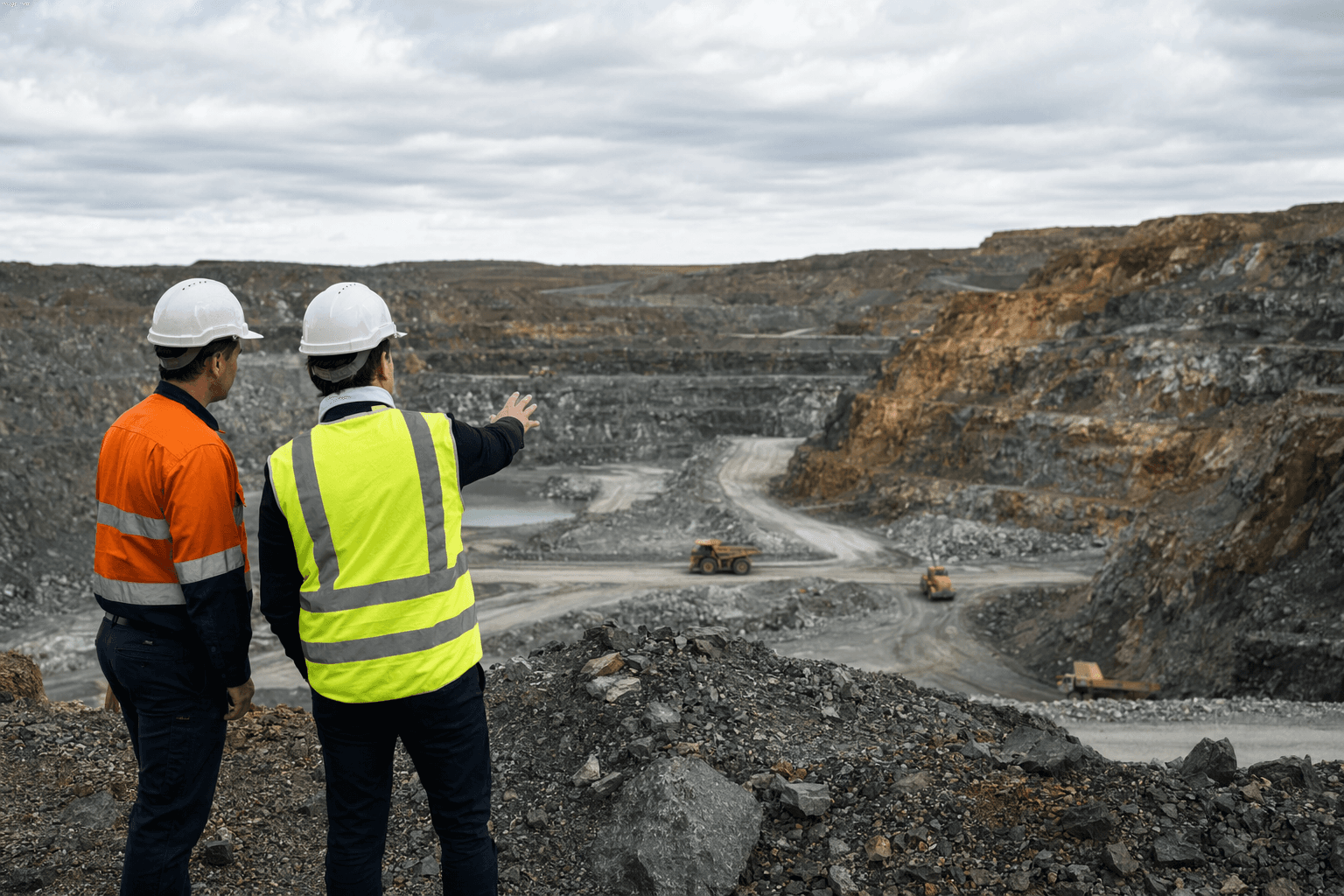
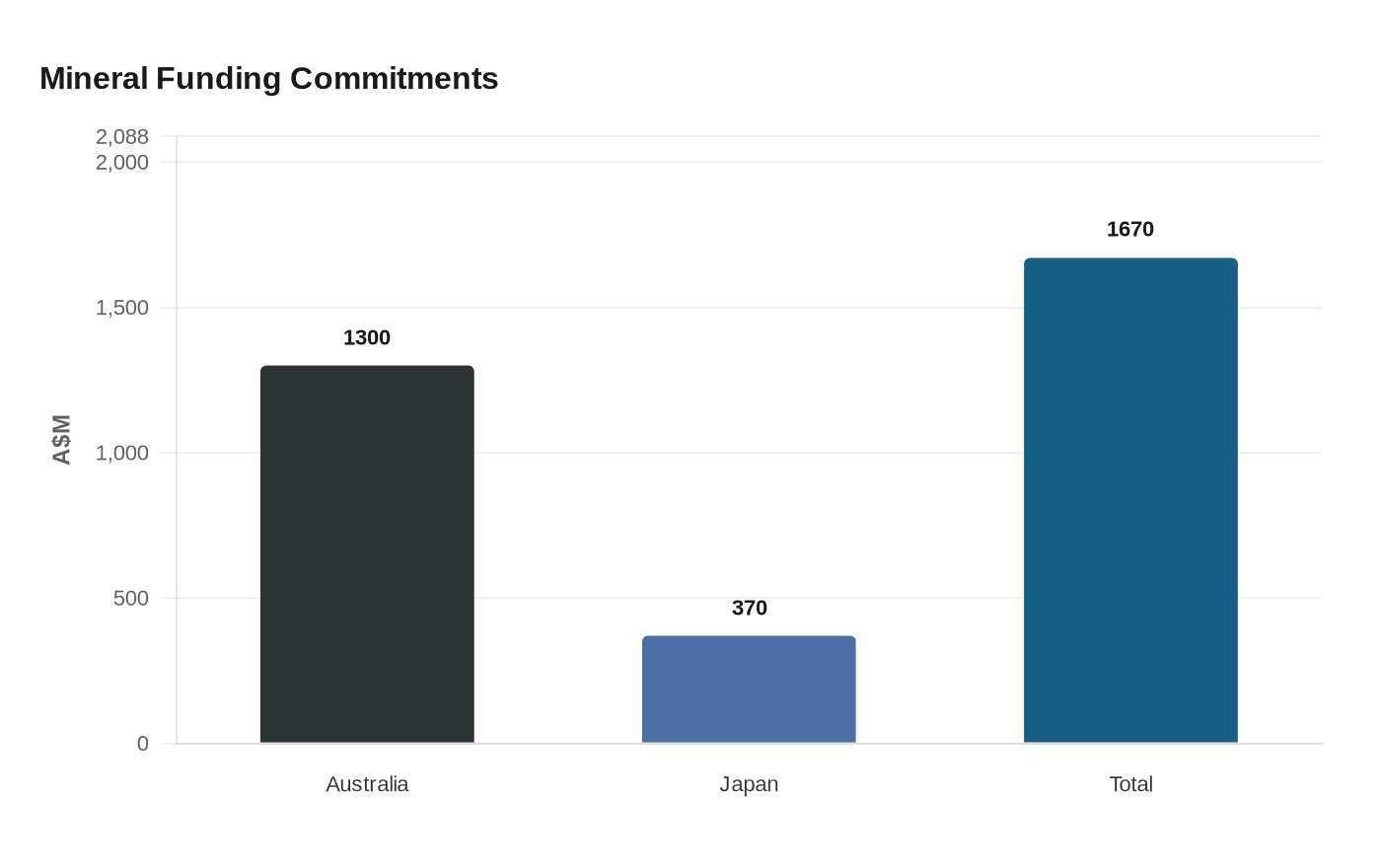
Australia and Japan moved to turn critical minerals into a core supply-chain strategy, committing A$1.67 billion, about $1.2 billion, to projects meant to cut dependence on China for inputs used in batteries, chips, defense hardware and clean-energy manufacturing. Australia said it would provide up to A$1.3 billion through the Critical Minerals Facility and Export Finance Australia, while Japan had already put in about A$370 million in investments and grants through JOGMEC and signaled more backing as projects advance.
The money is aimed at a tight list of minerals with outsized strategic value. Rare earths sit at the center because they are essential for electric vehicles, wind turbines, defense systems and advanced electronics. Gallium is critical for semiconductors, LEDs and solar cells. Magnesium matters for automotive and aerospace manufacturing, while fluorite and nickel feed industrial production and, in nickel’s case, battery supply chains. The governments named Lynas Rare Earths, Alcoa’s gallium recovery work in Western Australia, Magnium Australia, Tivan’s Speewah Fluorite project, the Copi Critical Minerals Project in New South Wales and Ardea Resources’ Kalgoorlie Nickel project as candidates for support.
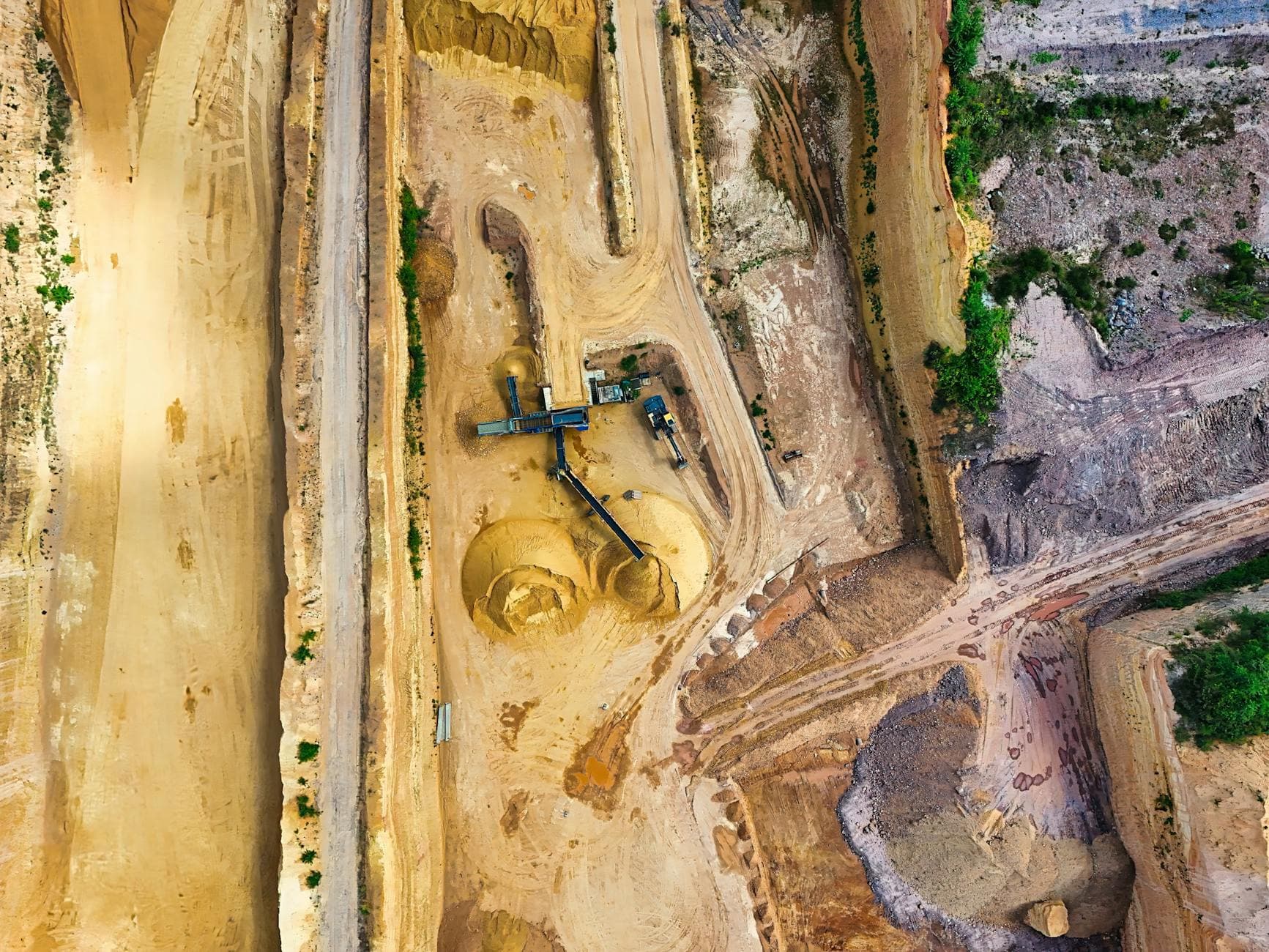
The package builds on a longer industrial alignment rather than a one-off announcement. Australia and Japan launched their Critical Minerals Partnership in 2022 under Anthony Albanese, and the latest statement elevates critical minerals to a core pillar of the two countries’ economic security relationship. Officials said the cooperation would deepen policy coordination, use public financing vehicles including JOGMEC and Australia’s Critical Minerals Strategic Reserve, and support downstream manufacturing as well as mining and refining.
The Lynas-Japan relationship shows how that strategy is already working in practice. Sojitz and JOGMEC helped form JARE in 2011 to finance light rare earth production, and Lynas reached a heavy rare earth production milestone in 2025. In March 2026, Lynas and JARE locked in annual deliveries of 7,200 metric tonnes of neodymium and praseodymium through 2038, including a minimum price floor on 5,000 tonnes at US$110 per kilogram, a structure designed to blunt China’s influence over rare earth pricing.
The new funding does not end China’s dominance of processing or mining overnight, but it does matter. By pairing public finance with long-term contracts and named industrial projects, Canberra and Tokyo are trying to build a more secure allied pipeline for minerals that modern economies cannot easily replace. Sanae Takaichi’s first visit to Australia, alongside new energy and defense agreements, gave the move added weight as the two governments marked the 50th anniversary of the Nara Treaty and treated critical minerals as a security asset, not just a trade opportunity.
This article was produced by Prism’s automated news system from verified source data, official records, and press releases, then run through automated quality and moderation checks before publishing. The system is built and supervised by the people who set the standards it runs under. Read our full AI policy.
Did this article answer your question?


