Trump says U.S. will guide stranded ships through Strait of Hormuz
Trump said the U.S. will start "Project Freedom" Monday to guide stranded ships through Hormuz, where attacks have already jolted oil markets and gas prices.
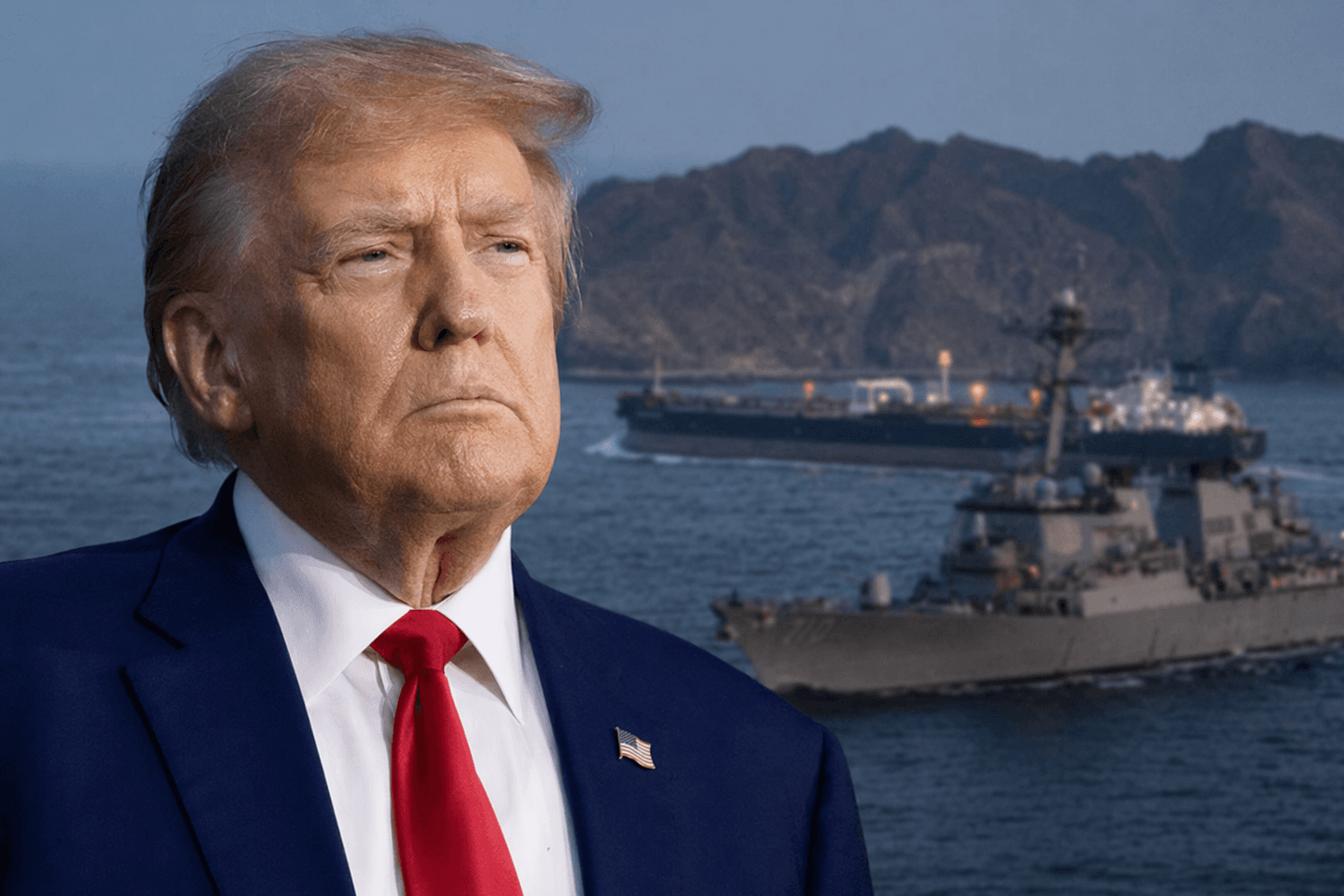
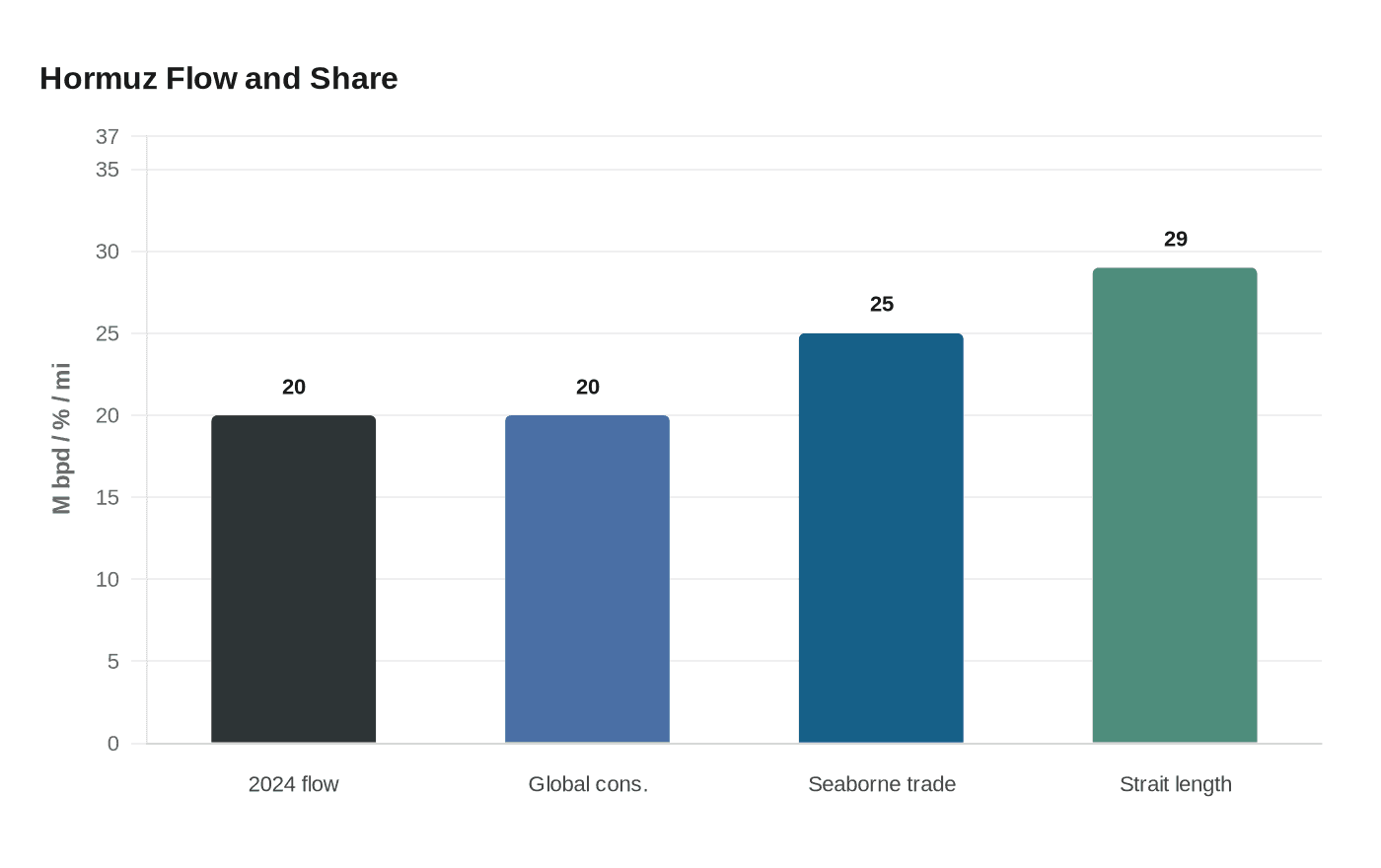
Donald Trump said the United States would start "Project Freedom" on Monday to guide stranded ships through the Strait of Hormuz, a 29-nautical-mile waterway where about 20 million barrels of oil and fuel move every day. The announcement put Washington directly into a chokepoint that carries about 20% of global petroleum liquids consumption and roughly a quarter of the world’s seaborne oil trade.
That makes the stakes immediate for drivers, shippers and investors. The U.S. Energy Information Administration says the strait handled about 20 million barrels per day in 2024, while the International Energy Agency says a similar volume moved through it in 2025. When traffic slows, oil prices can spike fast, and that pressure has already been visible at the pump. U.S. average gas prices climbed by more than $1 a gallon in six weeks and topped $4.10 amid the broader Iran war-related shock.
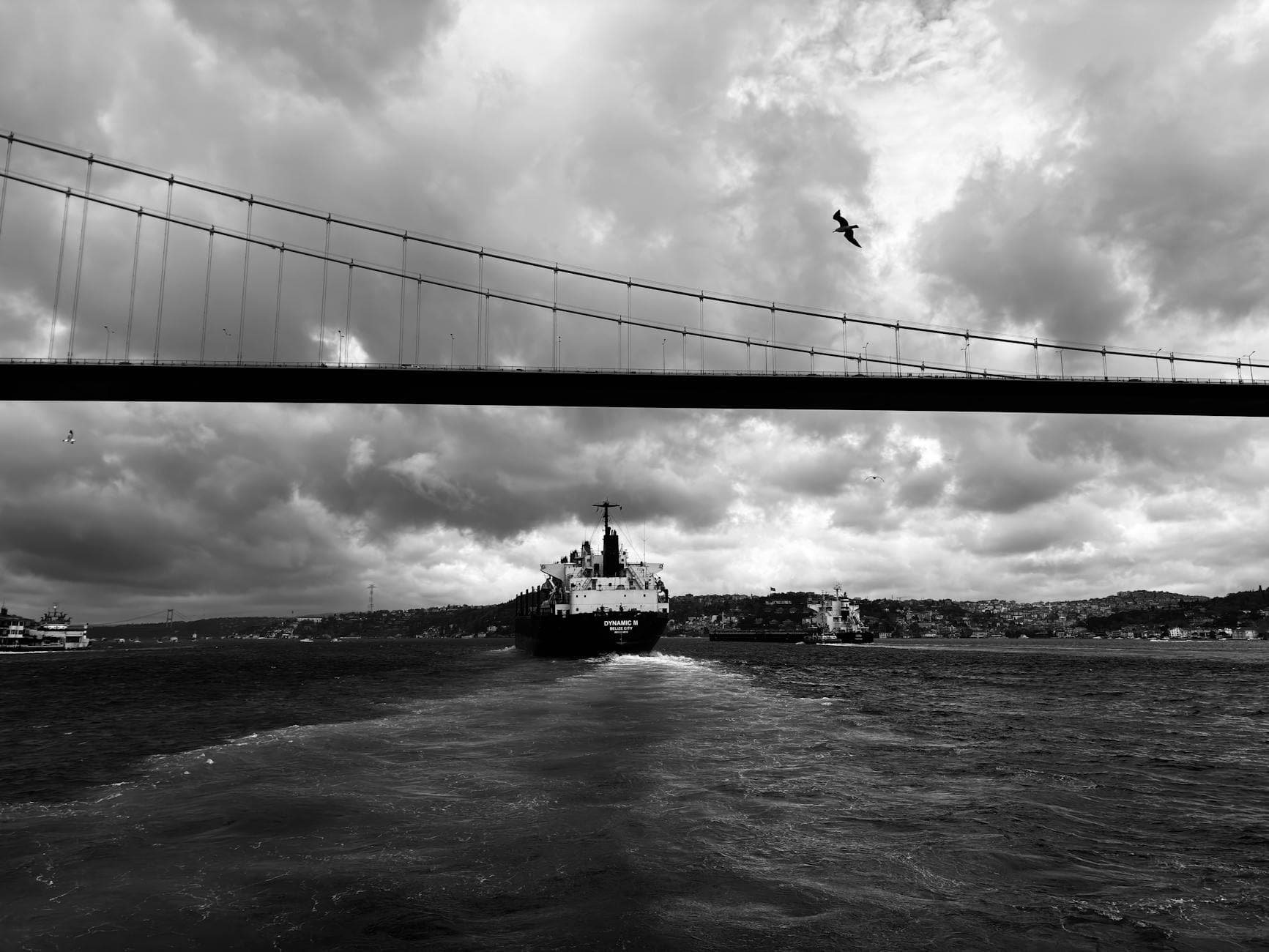
Trump offered few details about how the operation would work, and a U.S. official said it was not an escort mission. That ambiguity matters. A true convoy operation would signal a much deeper American military role, while a looser routing effort could still leave ships exposed to attacks, insurance surcharges and delays. Markets appeared to read the plan as a hedge rather than a full reopening strategy, with oil flat and Asian stocks higher as traders waited to see whether the proposal could restore flow.
The maritime risk remained plain around the announcement. U.K. maritime monitors reported that a bulk carrier near the strait was attacked by multiple small craft, and other reporting said a tanker in the area was hit by unknown projectiles. CNN reported that about 20,000 seafarers were stranded because the strait had been effectively shut since the start of the Iran war, leaving hundreds of vessels unable to pass.
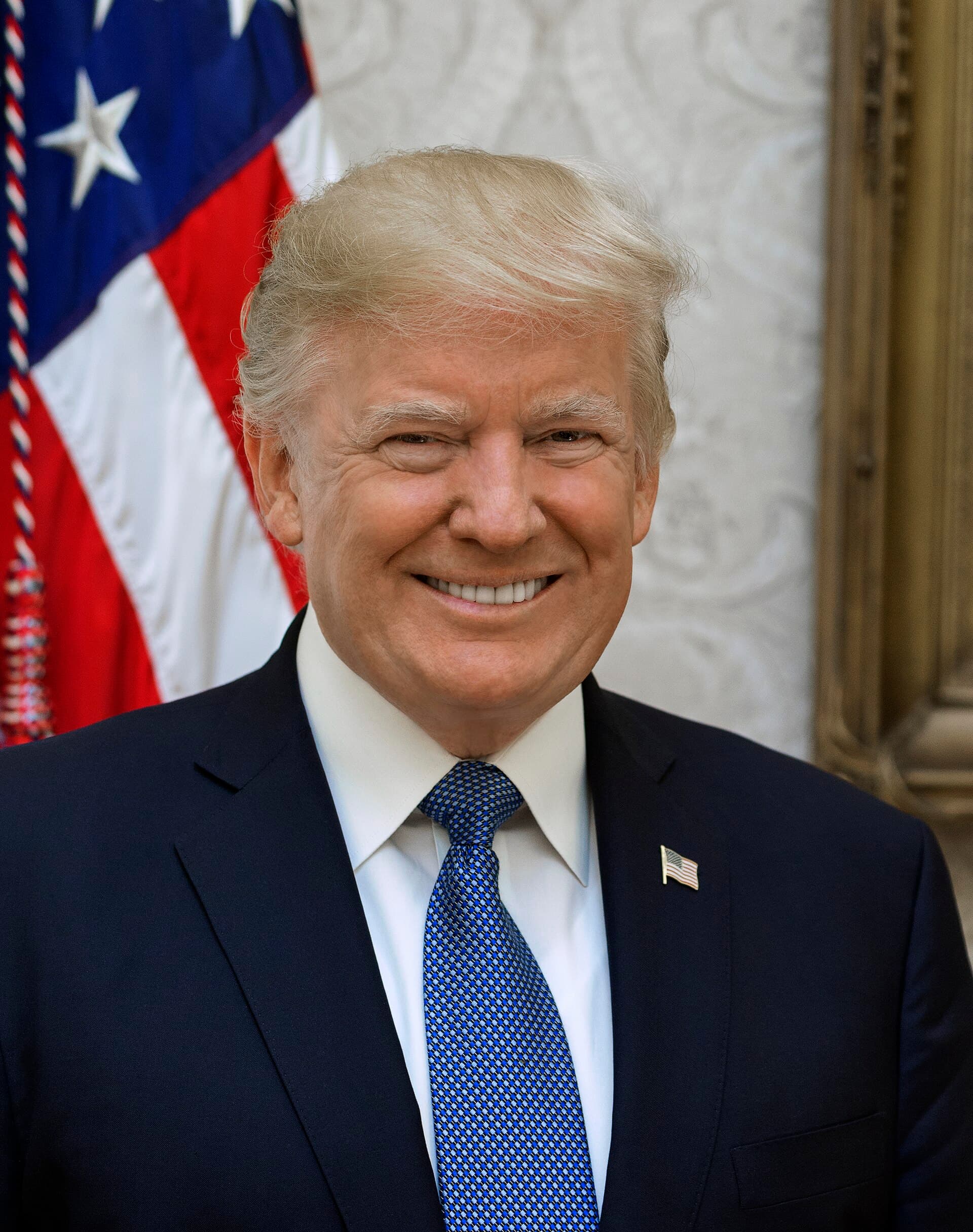
Iran quickly denounced the U.S. plan as a ceasefire violation, raising the chance that any American maritime presence could be framed in Tehran as escalation rather than protection. That is the central danger for Washington: a mission sold as assistance could bring U.S. forces into direct contact with Iranian boats, missiles or mines in one of the world’s most volatile shipping lanes.
There is precedent, but it cuts both ways. In the 1980s, the United States protected ships from Iranian attacks in the Strait of Hormuz, and in 1987 it reflagged 11 Kuwait-owned tankers so they could receive U.S. naval escorts. The new operation would test whether the same logic can work in a far more crowded, faster-moving crisis, where every additional ship, sailor and warship in the strait raises the price of a mistake.
Know something we missed? Have a correction or additional information?
Submit a Tip