Mayon ashfall forces evacuations, blankets Philippine towns and farms
Ash from Mayon sent more than 300 families fleeing, cut visibility to zero on a national road and damaged farms as water buffaloes died in Camalig.
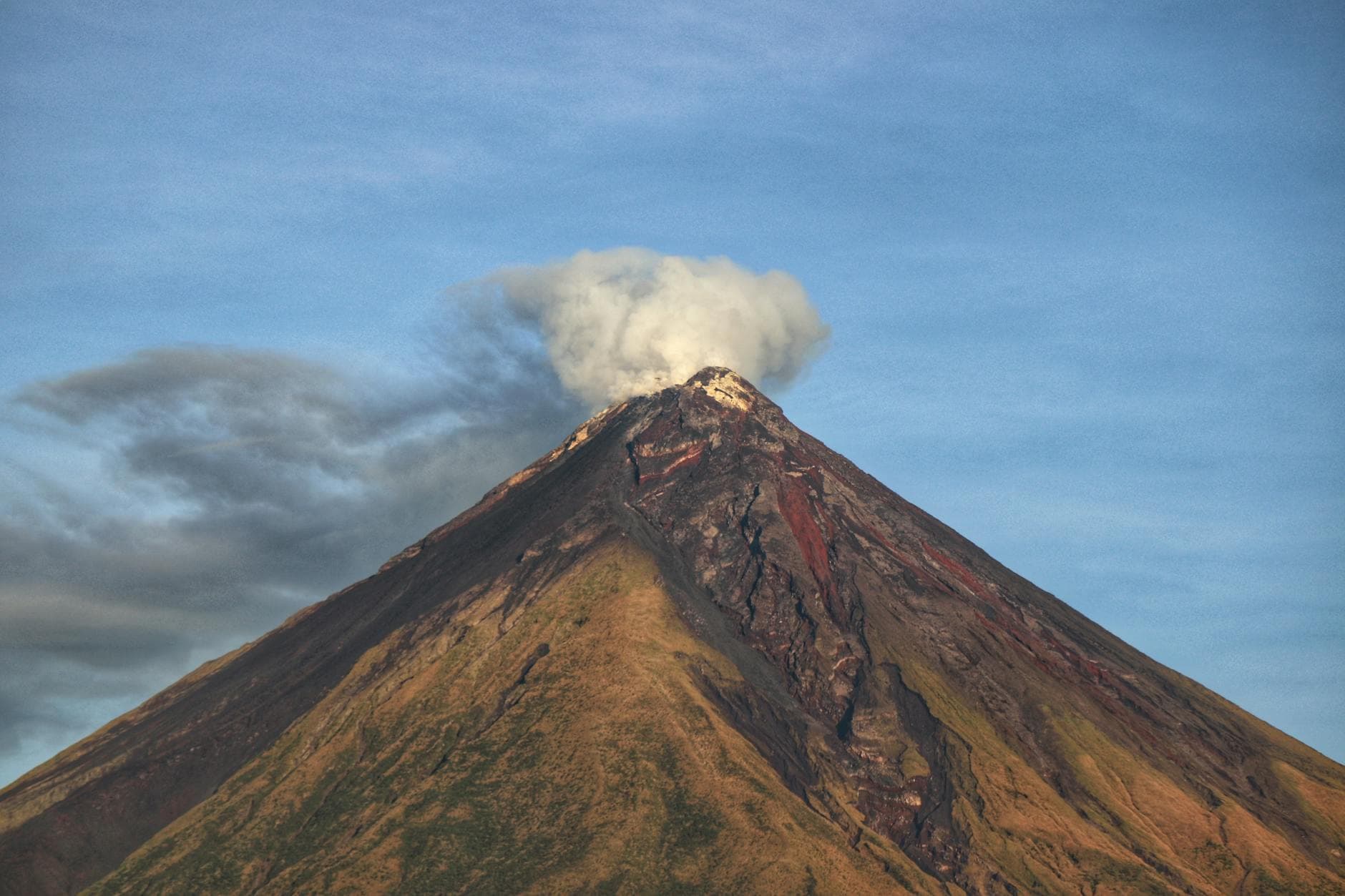
More than 300 families were evacuated after ash from Mayon Volcano swept across nearby towns, turning a volcanic event into a transport, farming and household disruption that spread through 87 villages in three towns. In Camalig, Mayor Caloy Baldo said the ash was so thick there was “zero visibility” on the national road, forcing motorists to slow down as villagers panicked before officials urged them to calm down.
The ashfall followed the sudden collapse of huge lava deposits on Mayon’s southwestern slope into a pyroclastic flow, an avalanche of hot rocks, ash and gas, before nightfall on Saturday, May 2. Authorities stressed that there was no explosive eruption, but the material movement still sent heavy ash over Albay, damaging vegetable farms and killing four water buffaloes and a cow in Camalig. Local reporting said the fallout affected more than 6,000 households in the province, while cleanup efforts were straining water supplies and prompting rationing in parts of Albay.
Mayon remained at Alert Level 3 on May 3, according to the Philippine Institute of Volcanology and Seismology. The agency said lava effusion continued in the Basud, Bonga and Mi-isi gullies, alongside successive pyroclastic density currents and ashfall on the southwestern slopes. The volcano had already been raised from Alert Level 1 to Alert Level 2 on January 1, then to Alert Level 3 on January 6, after repeated collapse of an unstable summit dome generated increasing rockfalls.
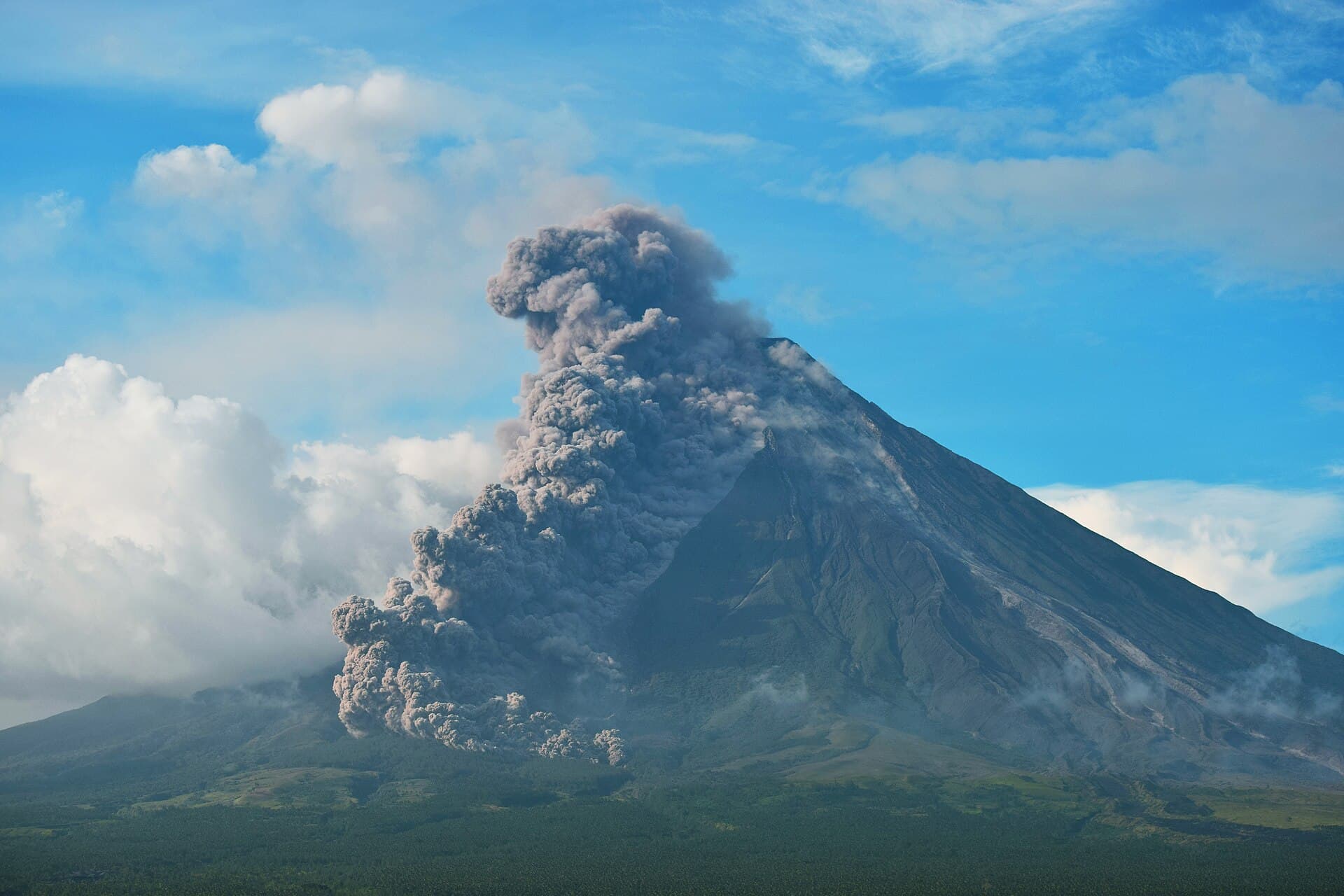
Teresito Bacolcol, the volcanology director, said the volcano had been erupting mildly on and off since January and that conditions were calm again by Monday, May 4, but he warned that the danger remained. At 2,462 meters high, Mayon is one of the Philippines’ major tourist attractions, yet it is also the country’s most active volcano, with recorded eruptions dating to 1616.
That long record matters in places like Camalig and the rest of Albay, where families have had to reset repeatedly around ash, evacuations and cleanup. The memory of the 1814 eruption, which buried five surrounding towns including Cagsawa, still shapes the way residents and officials read every new ashfall, even when the volcano does not produce a full explosive blast.
This article was produced by Prism’s automated news system from verified source data, official records, and press releases, then run through automated quality and moderation checks before publishing. The system is built and supervised by the people who set the standards it runs under. Read our full AI policy.
Did this article answer your question?