Myanmar says Aung San Suu Kyi moved from prison to house arrest
Myanmar's rulers said Aung San Suu Kyi was moved to house arrest, but her son says the family still has not seen proof she is safe.
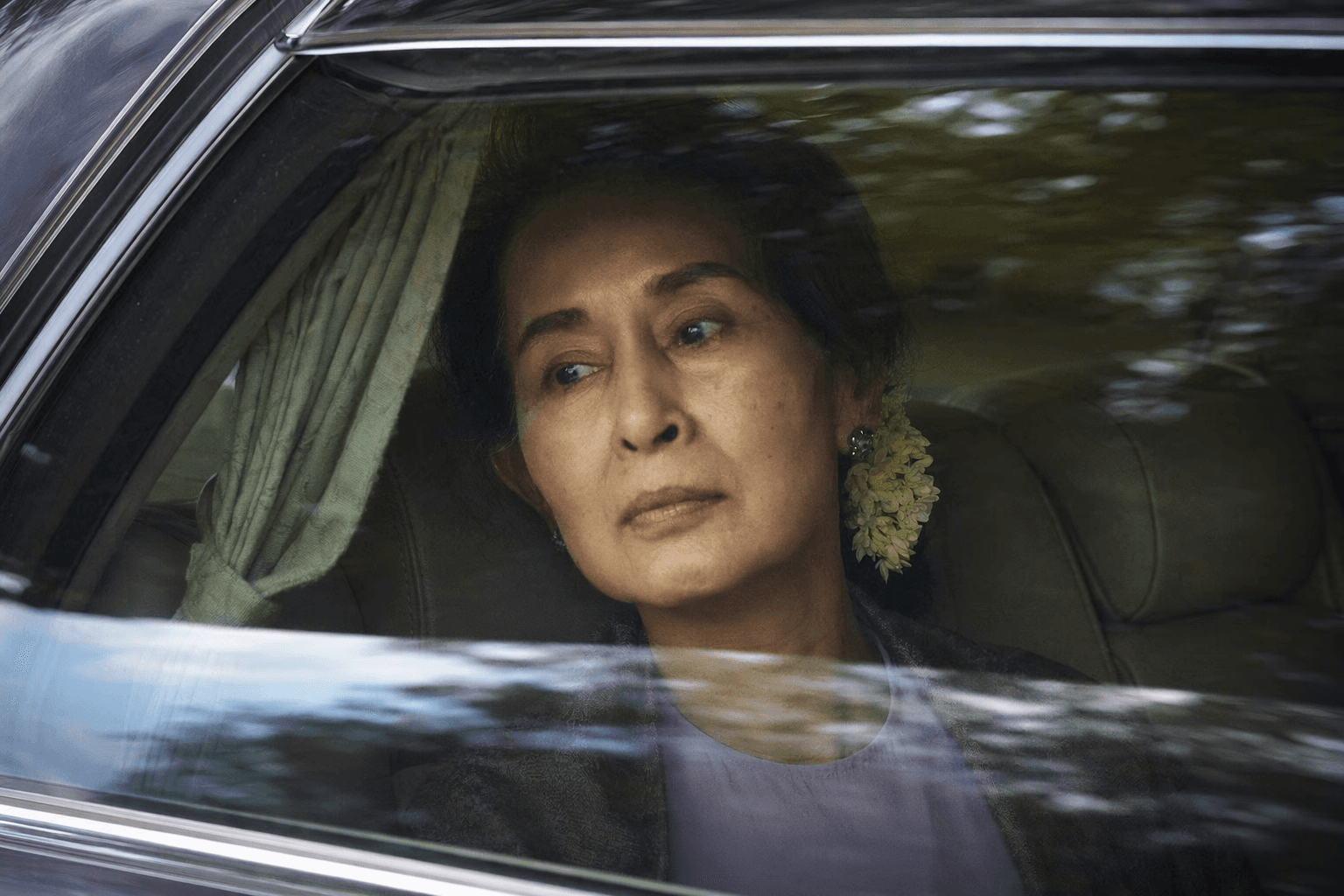
Kim Aris said he still wants "proof of life" for his 80-year-old mother, a plea that cuts through Myanmar’s latest announcement and its carefully staged symbolism. The military said Aung San Suu Kyi had been moved from prison to house arrest, but her family’s first reaction was caution, not relief, because there has been no independent confirmation of where she is or how she is being held.
Authorities said the transfer was part of a prisoner amnesty tied to a Buddhist holiday, and state media said the rest of Suu Kyi’s sentence would be served at a designated residence. The announcement came with a newly released photo of Suu Kyi seated with officials, the first public image of her in years, although the regime did not clearly identify the location. For a leader who has been kept out of public view since the military coup on Feb. 1, 2021, the image looked less like openness than a controlled message.

Suu Kyi has not been seen publicly since the coup removed her civilian government more than five years ago, and her isolation has become part of the junta’s wider strategy of political erasure. She previously spent 15 years under house arrest during an earlier period of military rule, which made her a global symbol of resistance. This latest move changes the label on her confinement, but not necessarily the reality of her detention, especially while Myanmar remains trapped in civil war and the military holds power through force.
Aris told NPR the family has had almost no contact with his mother since her arrest, saying it had received just one censored letter nearly three years ago. He has repeatedly asked the authorities for proof that she is alive after reports raised concern about a possible worsening heart condition. The family’s skepticism reflects a broader doubt that a transfer from prison to house arrest can mean anything meaningful without clarity on her condition, her exact location, or whether she has any freedom of movement at all.
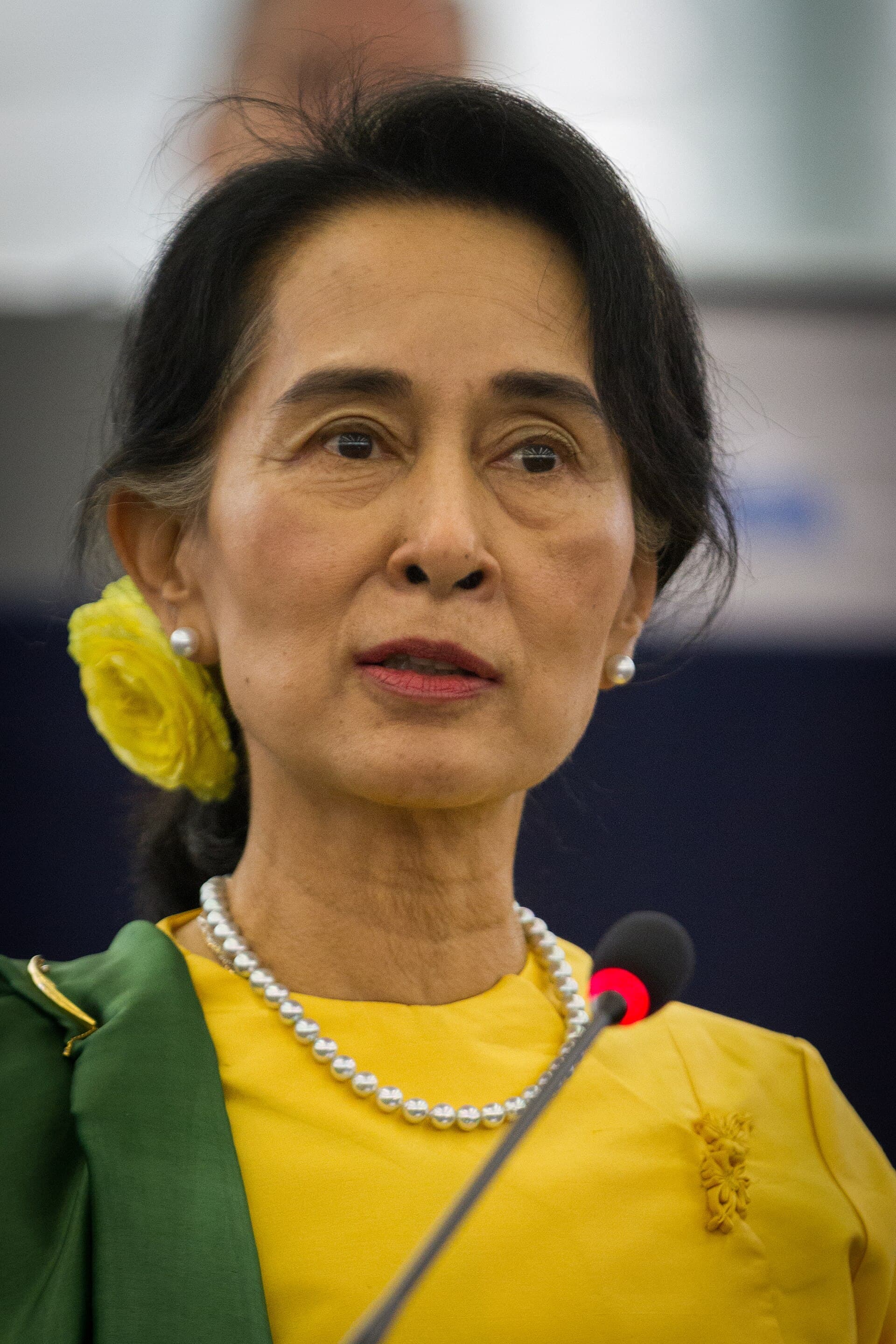
The United Nations said it welcomed the commutation as a step in the right direction, while also renewing its call for the unconditional release of everyone arbitrarily detained. In New York, U.N. spokesman Stéphane Dujarric said the organization took note of the move. The language was measured, and so was the reaction abroad: guarded, not celebratory. For Myanmar’s military leadership, the announcement may offer a way to soften pressure without loosening control. For Suu Kyi’s family, it still leaves the central question unanswered: whether a new address has changed anything about her isolation.
This article was produced by Prism’s automated news system from verified source data, official records, and press releases, then run through automated quality and moderation checks before publishing. The system is built and supervised by the people who set the standards it runs under. Read our full AI policy.
Did this article answer your question?


