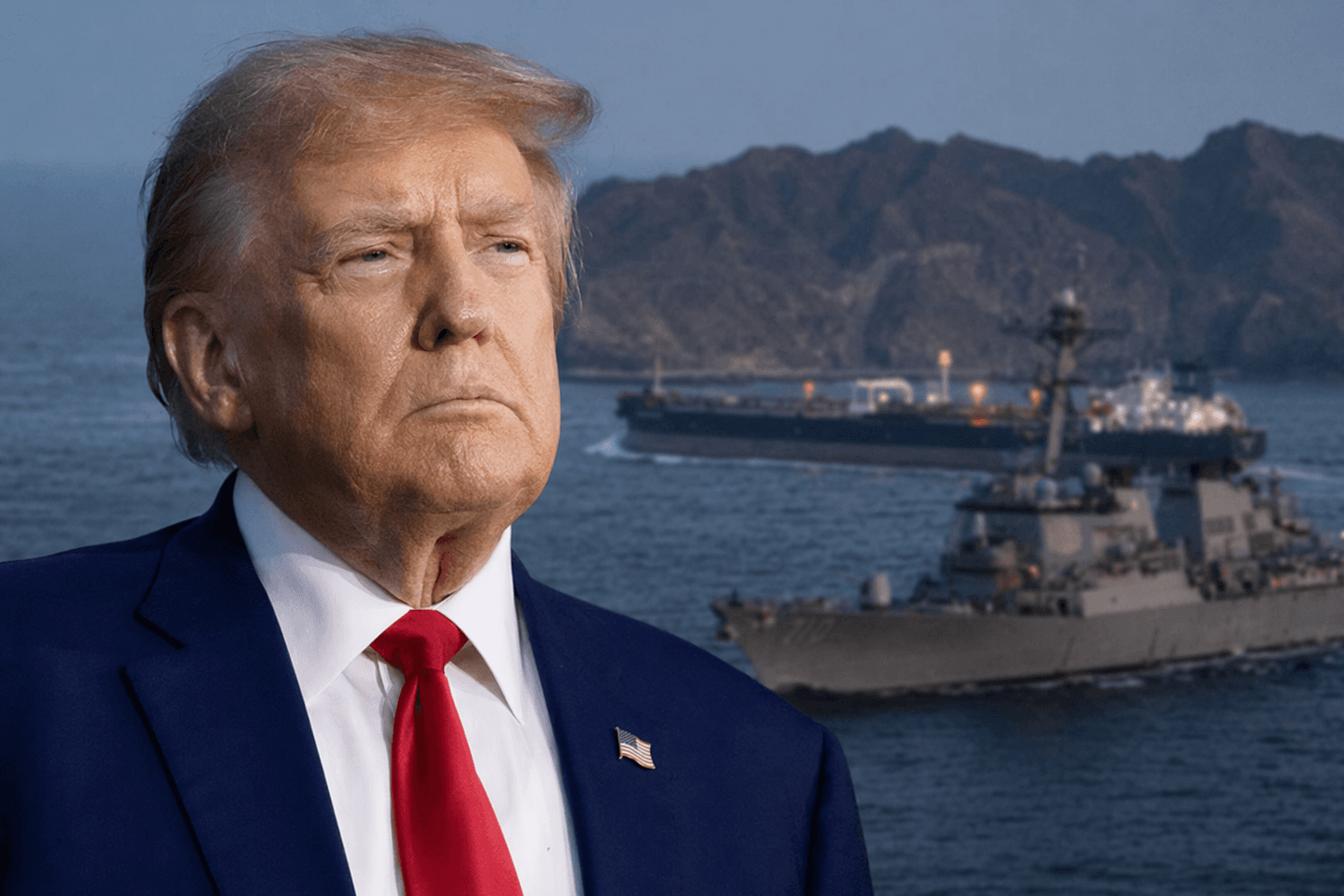
Trump orders U.S. forces to escort nonbelligerent ships from Hormuz
Two ships were hit in the Strait of Hormuz as Trump ordered U.S. forces to shepherd nonbelligerent vessels through a waterway carrying about 20% of global oil and gas demand.
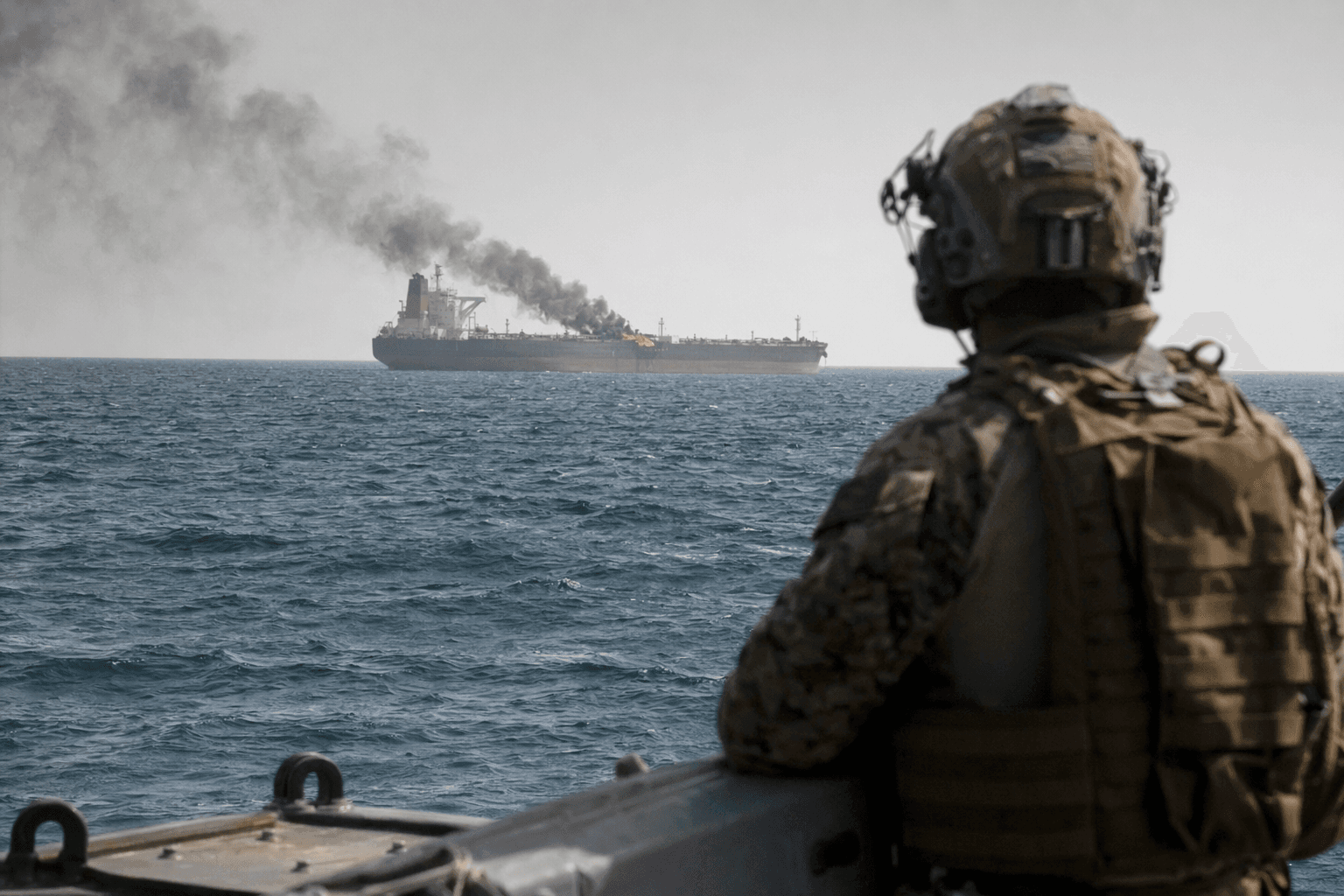
Attacks on two vessels in the Strait of Hormuz pushed the world’s most sensitive oil chokepoint back toward crisis, with Washington moving to put U.S. forces on escort duty as tanker owners weighed higher insurance costs and the risk of deeper military confrontation.
UK Maritime Trade Operations said a northbound bulk carrier was attacked 11 nautical miles west of Sirik, Iran, by multiple small craft, while a separate tanker 78 nautical miles north of Fujairah was hit by unknown projectiles. In both cases, all crew were reported safe and no environmental impact was reported. The incidents landed in one of the world’s most heavily watched shipping lanes, where even brief disruptions can jolt energy markets and force shipowners to decide whether to sail, wait or reroute.
Donald Trump later said the U.S. would guide ships from countries not involved in the war out of the strait. The U.S. Navy was preparing to begin “Project Freedom” on Monday to restore shipping through the strategic waterway. The move signaled a sharper American military posture around a passage that carries roughly 20% of global oil and gas demand and remains central to the price of fuel, the cost of freight and the premiums insurers charge to cover tankers.
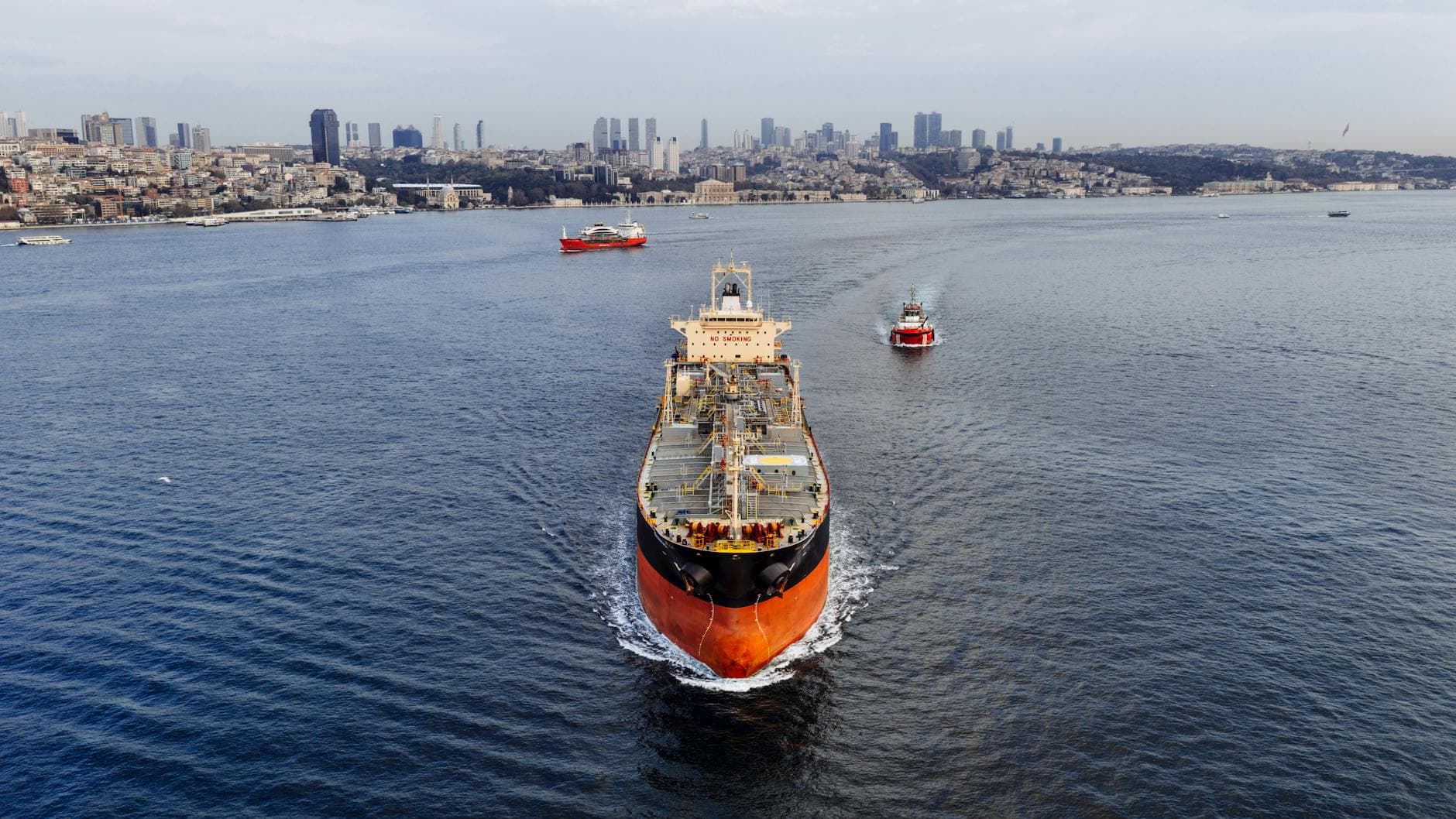
The latest violence unfolded against a wider escalation after U.S. airstrikes on Iranian nuclear sites at Fordow, Natanz and Isfahan. The Joint Maritime Information Center said on June 23, 2025, that the maritime threat level in the region remained elevated, while traffic continued to flow through the strait despite the tensions. JMIC also said Iran’s parliament had approved a motion to close the Strait of Hormuz, but the final decision rested with the Supreme National Security Council.
Shipping warnings have already begun to change behavior. CNBC reported that at least six vessels diverted away from the strait in June 2025 as risk climbed, and shipowners were wary of entering the area. UKMTO and JMIC said persistent electronic interference, including GNSS disruption, has affected navigation in the Strait of Hormuz and surrounding waters, adding another layer of danger for captains trying to thread the narrow passage between the Arabian Gulf and the Gulf of Oman.
The stakes are not limited to one day’s convoy plan. A March 19, 2026 joint statement by more than a dozen countries condemned attacks on unarmed commercial vessels and warned that interference with shipping and energy supply chains threatened international peace and security. It also noted that the International Energy Agency had authorized a coordinated release of strategic petroleum reserves. For now, the warning signs are clear: more attacks, more diversions, more jamming and any sustained interruption to tanker traffic would point from maritime harassment toward a wider regional war.
Know something we missed? Have a correction or additional information?
Submit a Tip