Israel-Hezbollah ceasefire falters, U.S.-Iran talks postponed amid Lebanon fighting
A fragile ceasefire in Lebanon was already under strain when fighting intensified and U.S.-Iran talks in Switzerland were pushed back. The pause now hinges on Hezbollah silence and a pullback from south of the Litani.

A ceasefire meant to cool the Israel-Hezbollah front instead exposed how quickly regional diplomacy can unravel. Fighting in southern Lebanon escalated as U.S.-Iran talks in Switzerland were called off or postponed, underscoring how a battlefield pause can remain vulnerable to the next round of strikes, retaliation, and political resistance.
The U.S. had spent weeks trying to hold the line. The State Department said it convened a fourth high-level trilateral meeting between Israeli and Lebanese representatives on June 2 and 3, building on earlier rounds on April 14, April 23, and May 14-15. In its June 3 statement, the department said Israel and Lebanon agreed to implement a ceasefire contingent on a complete cessation of Hizbollah fire and the evacuation of all Hizbollah operatives from the South Litani Sector.
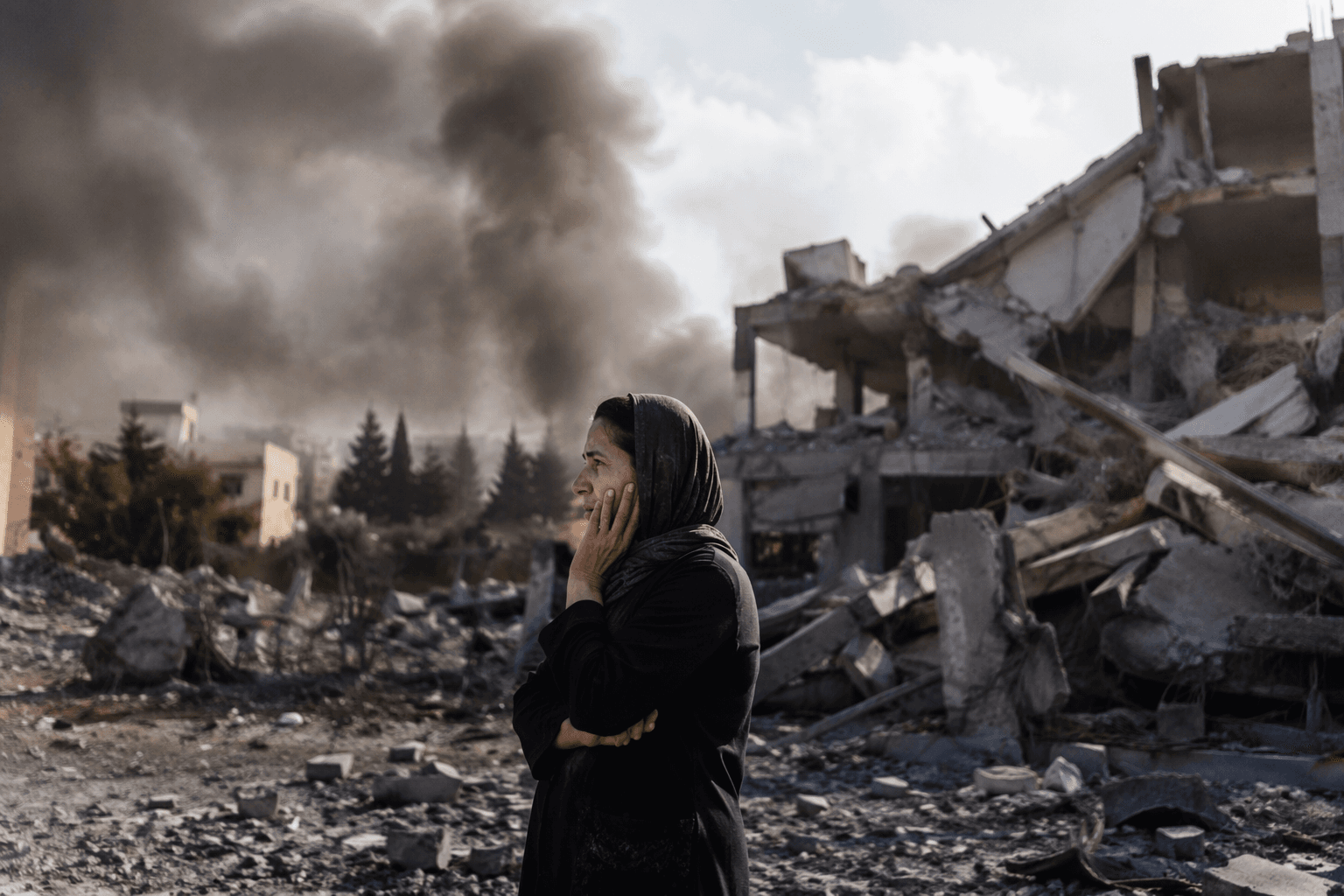
That conditional language reflected just how narrow the opening was. The April 14 meeting had already been described by the State Department as the first major high-level engagement between the governments of Israel and Lebanon since 1993, a sign that Washington was using the fighting to force direct diplomatic contact. But the arrangement never detached itself from the war on the ground. Renewed strikes and counterfire in southern Lebanon quickly tested the deal, with the ceasefire depending on whether Hezbollah actually stopped firing and whether its forces moved out of the area south of the Litani River.
By June 5, Iran was already signaling strain in its own channel with Washington. Iran said there had been “no tangible progress” in talks with the U.S. as Hezbollah rejected the new Israel-Lebanon ceasefire agreement. That rejection mattered beyond Lebanon. U.S. officials and analysts warned that Iran’s ties to Hezbollah could drag a localized ceasefire into the larger negotiations, turning the militia’s battlefield choices into a test of wider regional diplomacy.
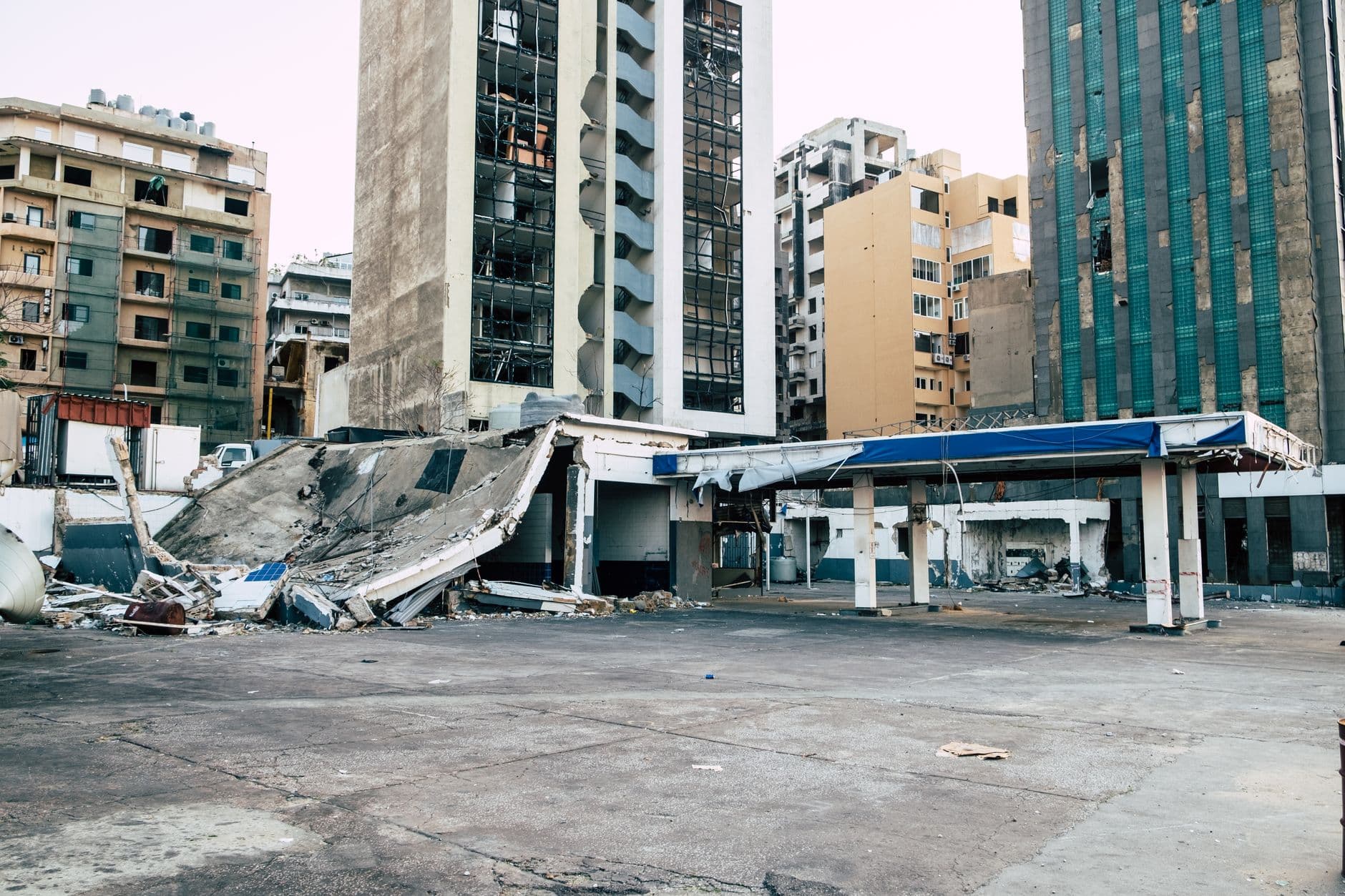
On June 19, the pressure became more immediate. Reuters and the Associated Press reported that Israel and Hezbollah had agreed to a ceasefire starting at 4 p.m. local time, but the fighting in southern Lebanon intensified enough that the U.S.-Iran talks in Switzerland were canceled or postponed. The timing made the risk plain: if Hezbollah fire resumes, if Israeli strikes widen, or if the South Litani terms are not enforced, the pause could collapse before it settles into anything lasting.
This article was produced by Prism’s automated news system from verified source data, official records, and press releases, then run through automated quality and moderation checks before publishing. The system is built and supervised by the people who set the standards it runs under. Read our full AI policy.
Know something we missed? Have a correction or additional information?
Submit a Tip