Iran-U.S. talks in Switzerland postponed amid Lebanon fighting
Switzerland put off U.S.-Iran talks scheduled for Friday as Washington cited logistics and other officials pointed to Lebanon fighting and Iran’s pause.
The first planned U.S.-Iran talks in Switzerland were postponed Friday, turning what the White House called a logistical issue into a sharper question about whether the diplomacy was already fraying. The meeting had been expected to open a 60-day process after a recent interim understanding, but instead it exposed how quickly pressure from the wider Middle East conflict could stall even the first step.
Switzerland’s foreign ministry said the talks would not take place on Friday, June 19, and said it remained ready to help arrange them. Preparatory work had been underway at the Bürgenstock mountaintop resort near Lake Lucerne, the same setting where the two sides were supposed to begin discussing broader issues, including Iran’s nuclear program and oil traffic through the Strait of Hormuz. Vice President JD Vance had been due to travel to Switzerland, but the White House said he would no longer go, citing logistical issues surrounding the negotiations.
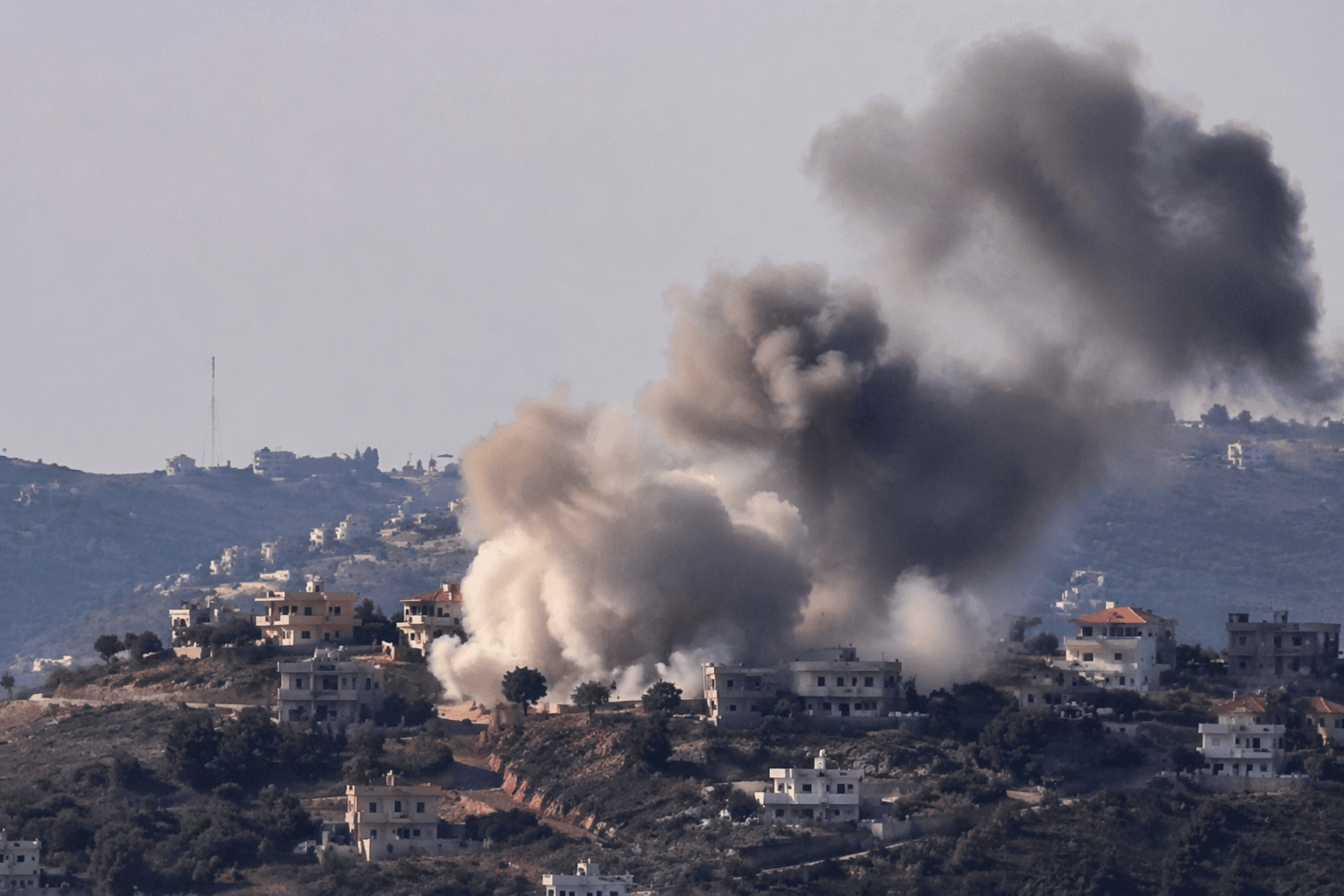
That explanation did not match every account of why the meeting collapsed. Officials told the Associated Press and other outlets that Iran had suspended participation because of the fighting in Lebanon. Reuters and AP reporting said the Lebanon conflict, involving Israel and Hezbollah, had become a central factor in Tehran’s decision to hold back. That would suggest the postponement was less about calendars and flights than about the state of the negotiating climate itself, with Iran reluctant to move forward while regional violence was still intensifying.
The distinction matters because the talks were meant to be the opening of a larger bargain, not a stand-alone meeting. A delay caused by scheduling would point to a manageable hiccup in a fragile process. A pause driven by Lebanon would point to something deeper: that the interim deal reached just days earlier had not yet created enough confidence to insulate diplomacy from the battlefield. Some reports later said Israel and Hezbollah reached a ceasefire, but the talks still did not happen Friday, leaving the broader U.S.-Iran channel exposed at the moment it was supposed to begin.
This article was produced by Prism’s automated news system from verified source data, official records, and press releases, then run through automated quality and moderation checks before publishing. The system is built and supervised by the people who set the standards it runs under. Read our full AI policy.
Know something we missed? Have a correction or additional information?
Submit a Tip