One killed, 89 injured in East Midlands Railway train collision near Bedford
One person died and 89 others were hurt after two East Midlands Railway trains collided near Bedford. Investigators are now examining signaling, track conditions and maintenance.
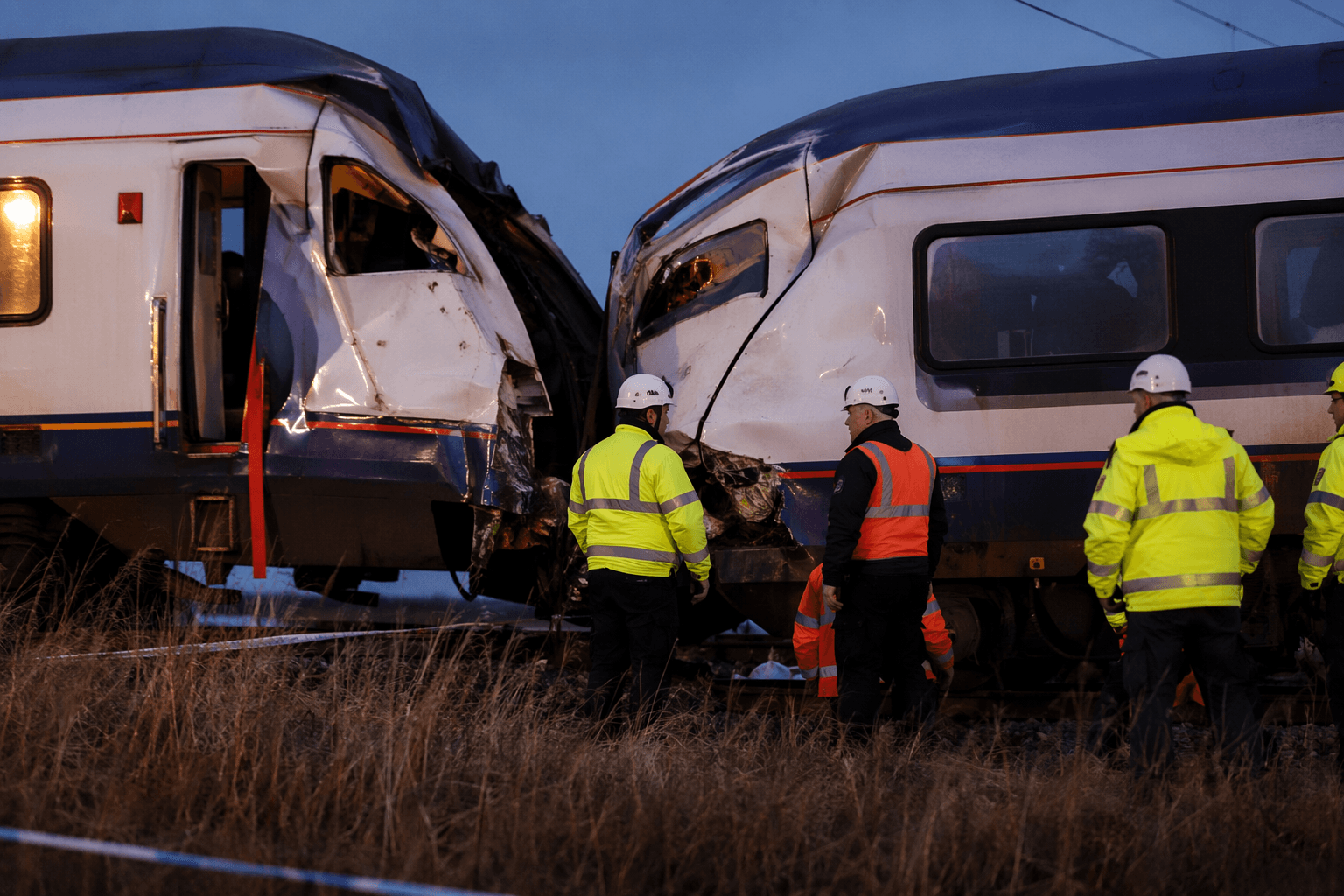
A collision between two East Midlands Railway passenger trains near Bedford killed at least one person and injured 89 others, turning a Friday evening journey into a major rail emergency south of the town. British Transport Police declared a major incident as investigators moved to determine why the trains came together near the Elstow interchange on the line between Bedford and Luton.
The crash happened around 5:12 p.m. to 5:15 p.m. BST, and authorities have not yet said what triggered it. The first questions are expected to focus on signaling, track conditions, operator actions and maintenance, as police, Network Rail and emergency services work through the scene and piece together the sequence of events.
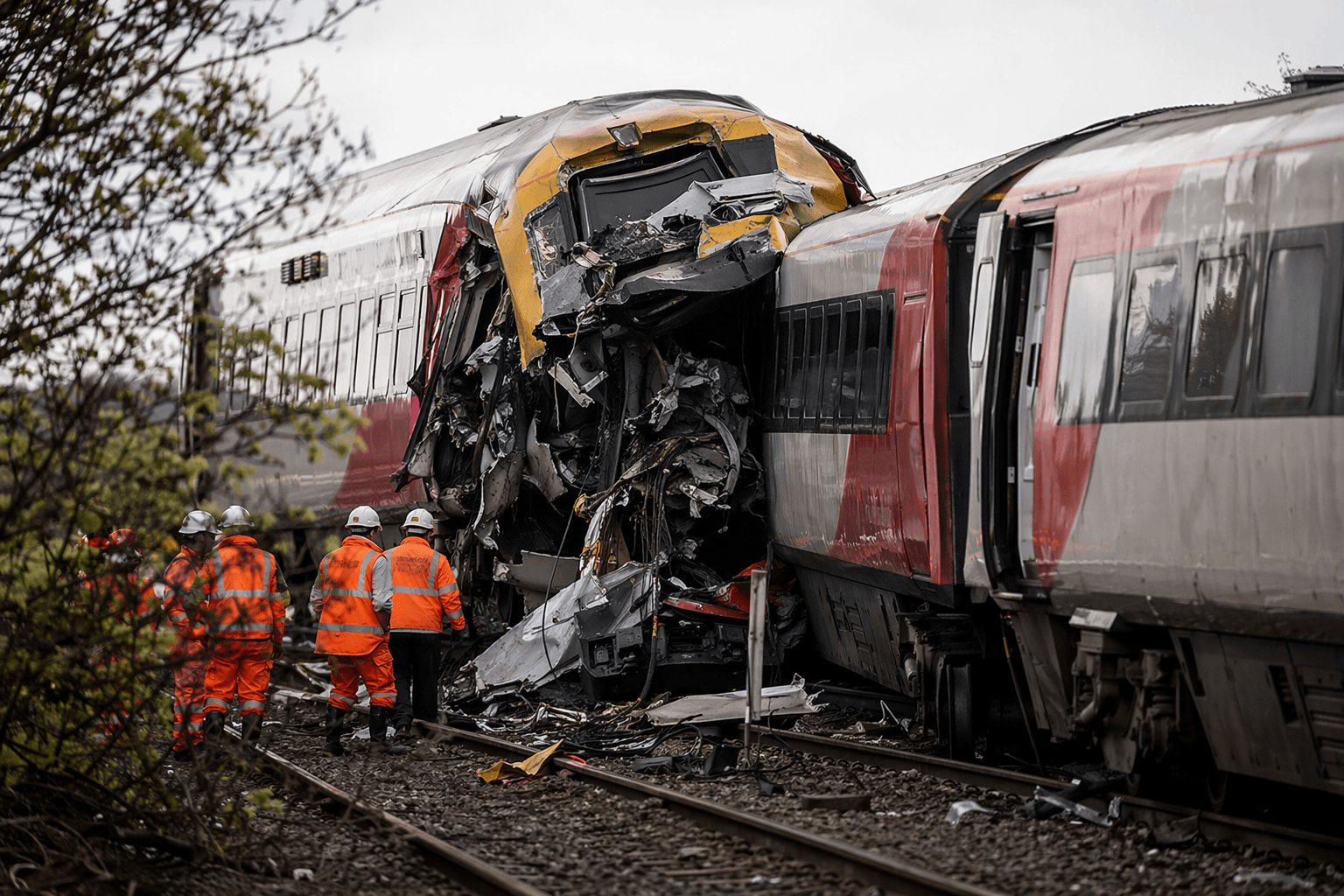
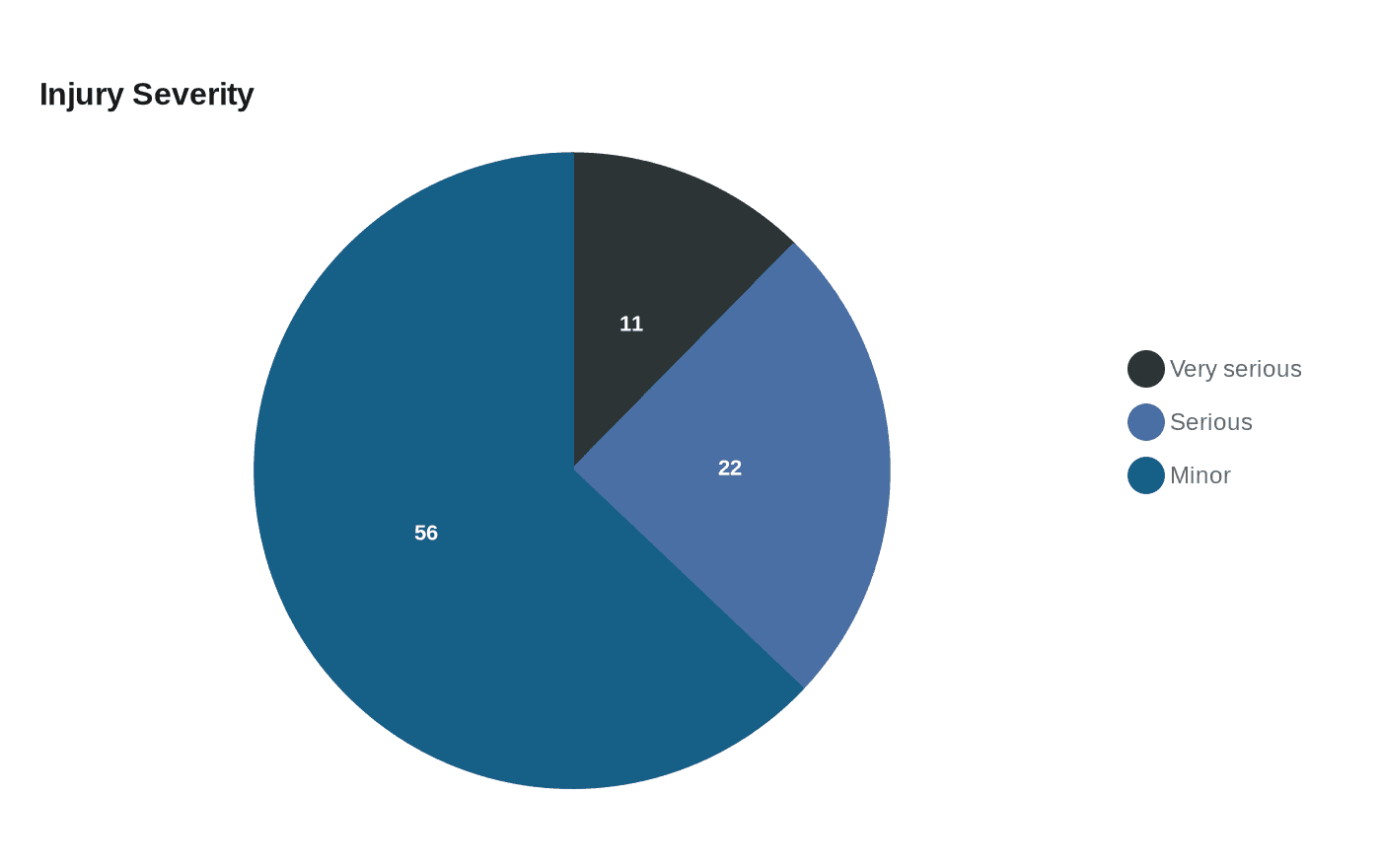
The East of England Ambulance Service said 89 people were injured in total, including 11 with very serious injuries, 22 seriously injured and 56 with minor injuries. That scale of harm, alongside the death of one person, made the incident one of the most serious rail emergencies in the region in recent memory.
Transport Secretary Heidi Alexander said the trains involved were East Midlands Railway services. East Midlands Railway said it could not run services in or out of London for the rest of the day and advised passengers to use alternative routes, as the collision caused major disruption across the rail network serving the capital.
Prime Minister Sir Keir Starmer called the reports “hugely concerning.” British Transport Police said officers were continuing to respond to the collision and working to establish exactly what happened, while the emergency response remained concentrated around the Bedford area north of London.
The incident has put rail safety under renewed scrutiny on a busy corridor linking Bedford, Luton and London. With the cause still under examination, the most urgent task for investigators is to reconstruct how two passenger trains ended up in the same place at the same time and whether a failure in signaling, infrastructure, operations or maintenance allowed the collision to happen.
This article was produced by Prism’s automated news system from verified source data, official records, and press releases, then run through automated quality and moderation checks before publishing. The system is built and supervised by the people who set the standards it runs under. Read our full AI policy.
Know something we missed? Have a correction or additional information?
Submit a Tip