Trump says he sees no limits to his power in Iran war deal
Trump said he sees “no limits” to his power as his Iran deal settled for a 60-day ceasefire, not the “unconditional surrender” he demanded.
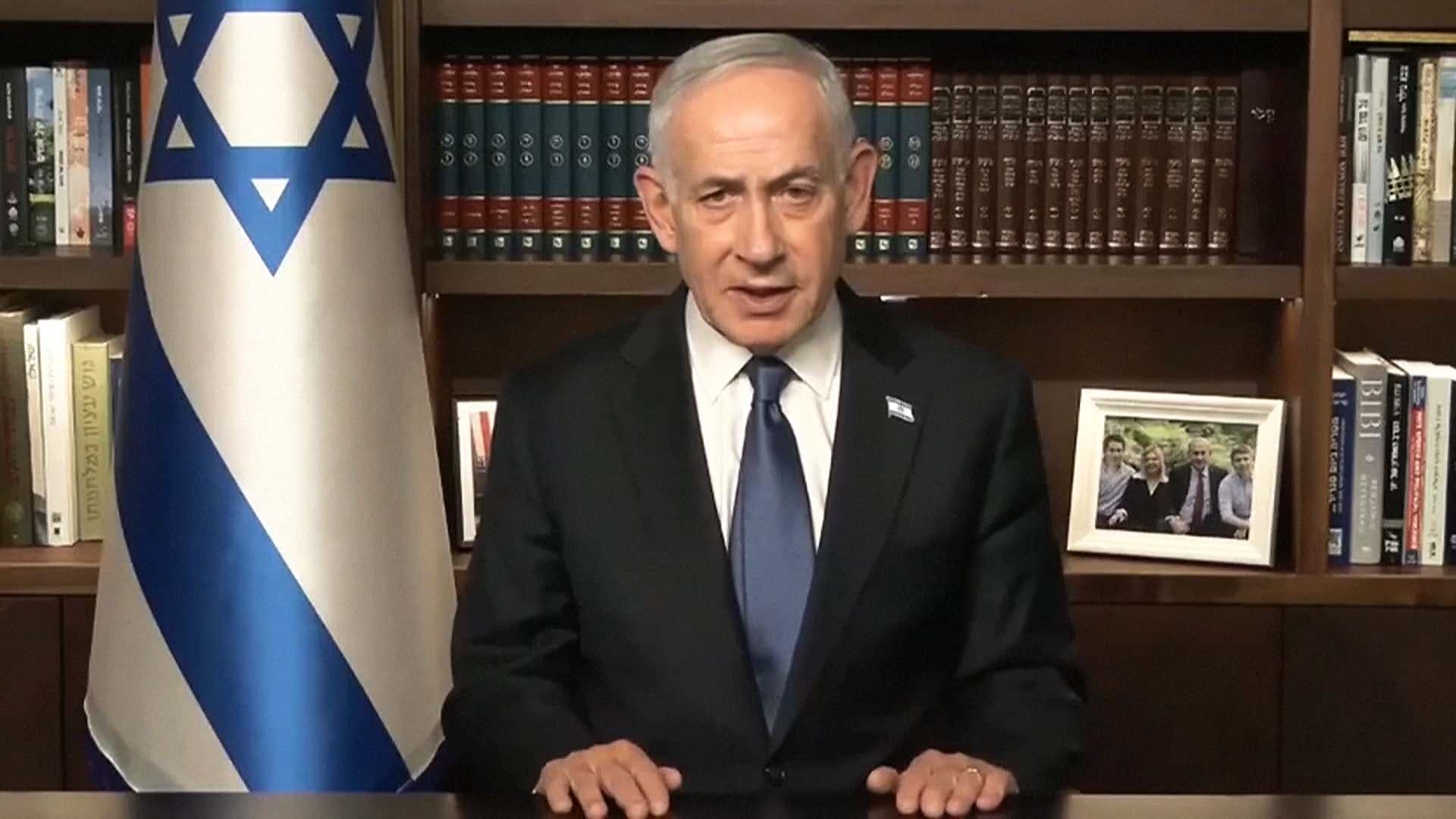
Donald Trump is again pressing against the constitutional walls of the presidency, this time by claiming he sees “no limits” to his power even as the Iran war is being managed through a fragile agreement that still depends on Congress and a final deal. After returning from the G7 summit, Trump told Axios reporter and CBS News contributor Marc Caputo that he had not “learned” there are limits to presidential power, and said Israel does what he says.
The remark carries obvious political weight because the Constitution does not give a president unlimited authority to wage war or lock in peace alone. Congress controls war authorizations and funding, the courts remain a possible check when executive power is challenged, and the War Powers framework exists precisely because previous presidents pushed the edge of their authority. Trump’s posture puts that old American tension back at the center of the Iran conflict: he speaks as though force and leverage flow from him alone, while the legal system still routes durable war decisions through institutions built to restrain the Oval Office.
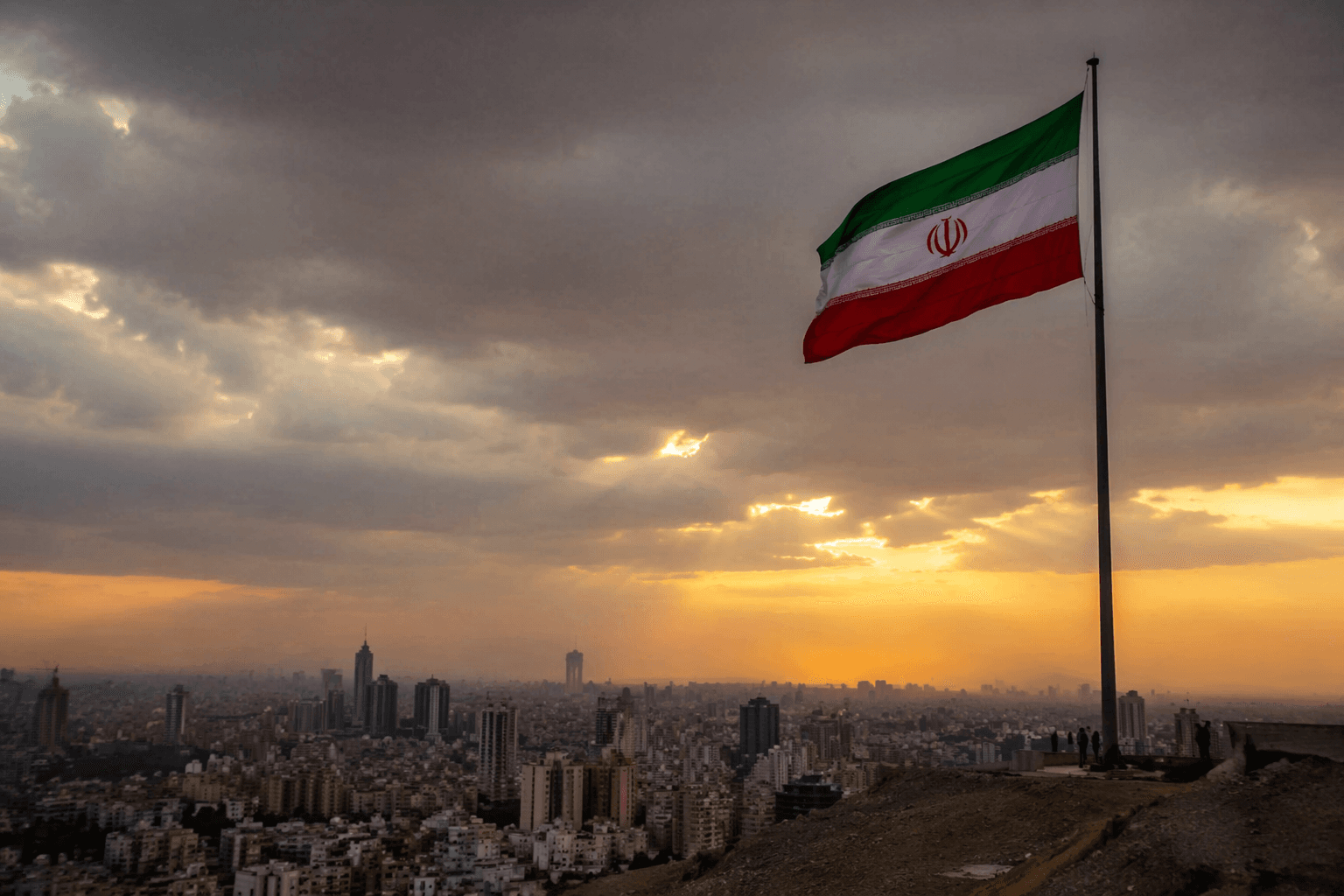
That gap was visible in the way Trump entered the conflict and the way it ended. He had demanded Iran’s “unconditional surrender,” but the fighting concluded with a memorandum of understanding rather than a surrender. The reported U.S.-Iran text includes a 60-day ceasefire, reopening the Strait of Hormuz, sanctions relief and a proposed $300 billion reconstruction incentive for Iran, all contingent on a final agreement.
The White House has already sent Congress the interim 14-point text, underscoring that lawmakers are not bystanders to the deal even if Trump talks as if he alone controls its outcome. Trump also privately warned Benjamin Netanyahu that Israel could be left “on [its] own very soon” if it resumed fighting Iran, a sign that Washington’s leverage is real but limited. Republican hawks and conservative commentators have criticized the agreement as too soft on Iran, while the conflict has already jolted energy markets and raised doubts about whether the ceasefire can survive disputes over Iran’s nuclear program and fighting in Lebanon.
Trump’s language may suggest boundless authority, but the system around him still says otherwise. The real test is whether the ceasefire, Congress and the law can contain a president determined to act as though they do not.
This article was produced by Prism’s automated news system from verified source data, official records, and press releases, then run through automated quality and moderation checks before publishing. The system is built and supervised by the people who set the standards it runs under. Read our full AI policy.
Know something we missed? Have a correction or additional information?
Submit a Tip