U.S. warns Israel may derail Iran peace deal amid Lebanon talks
Washington fears Benjamin Netanyahu could still upset a fragile Iran deal, even as U.S.-brokered Lebanon talks inch toward ceasefire terms.
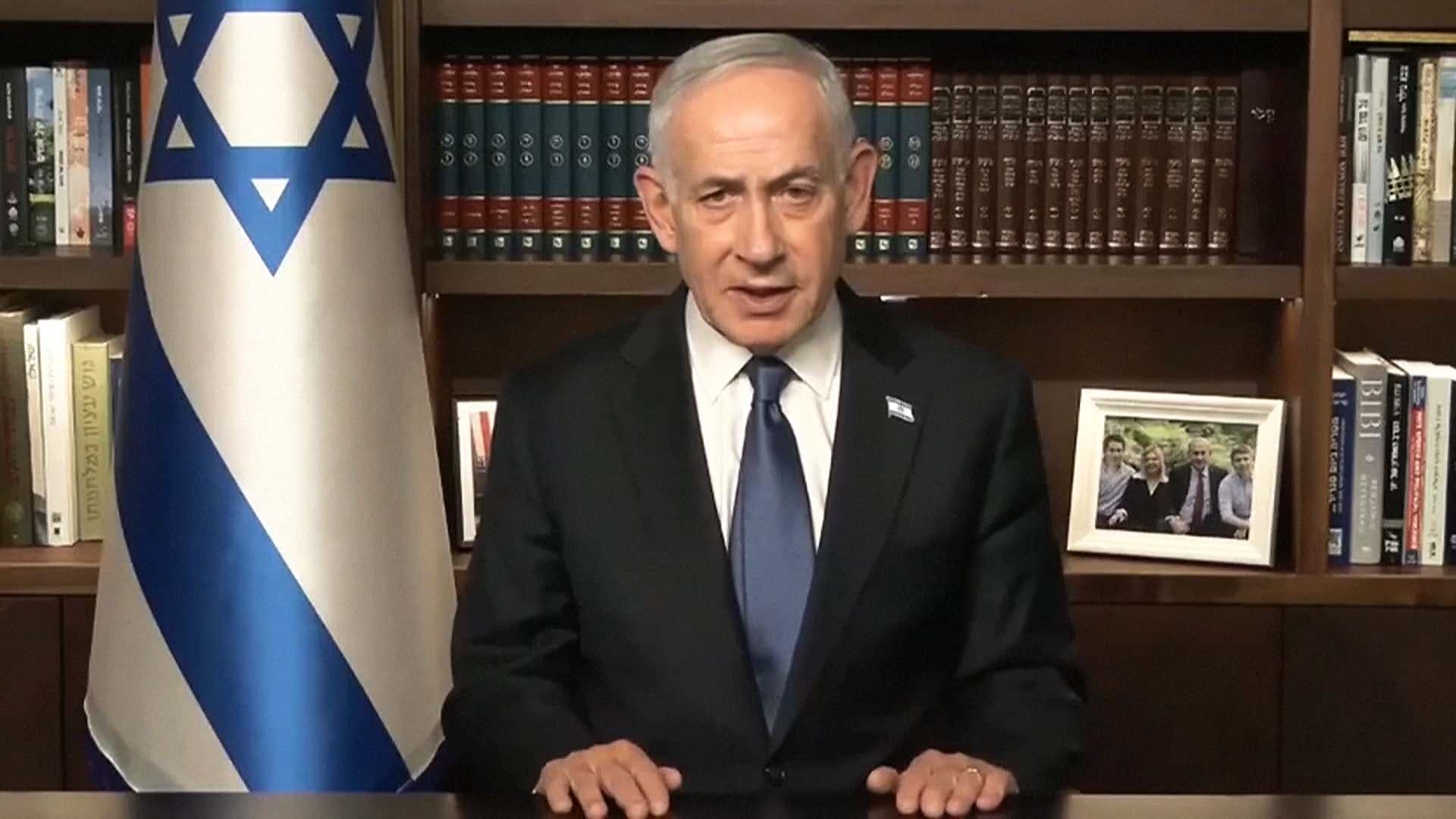
U.S. officials are warning that Benjamin Netanyahu may still have enough room, and enough incentive, to disrupt Donald Trump’s push for a wider Iran settlement. The concern is not abstract: Washington has spent months linking Iran diplomacy to a separate effort to calm the Israel-Lebanon front, yet Israeli military moves in Lebanon could quickly expose how limited U.S. leverage really is.
The diplomatic track has moved in stages. On April 16, Israel and Lebanon began a ten-day cessation of hostilities to create space for good-faith negotiations toward a permanent security and peace agreement. On May 14 and 15, the two sides agreed to a framework for negotiations aimed at lasting peace, sovereign border recognition and security. On June 2 and 3, they agreed to implement a ceasefire, contingent on a complete cessation of Hizbollah fire and the evacuation of Hizbollah operatives from the South Litani Sector.
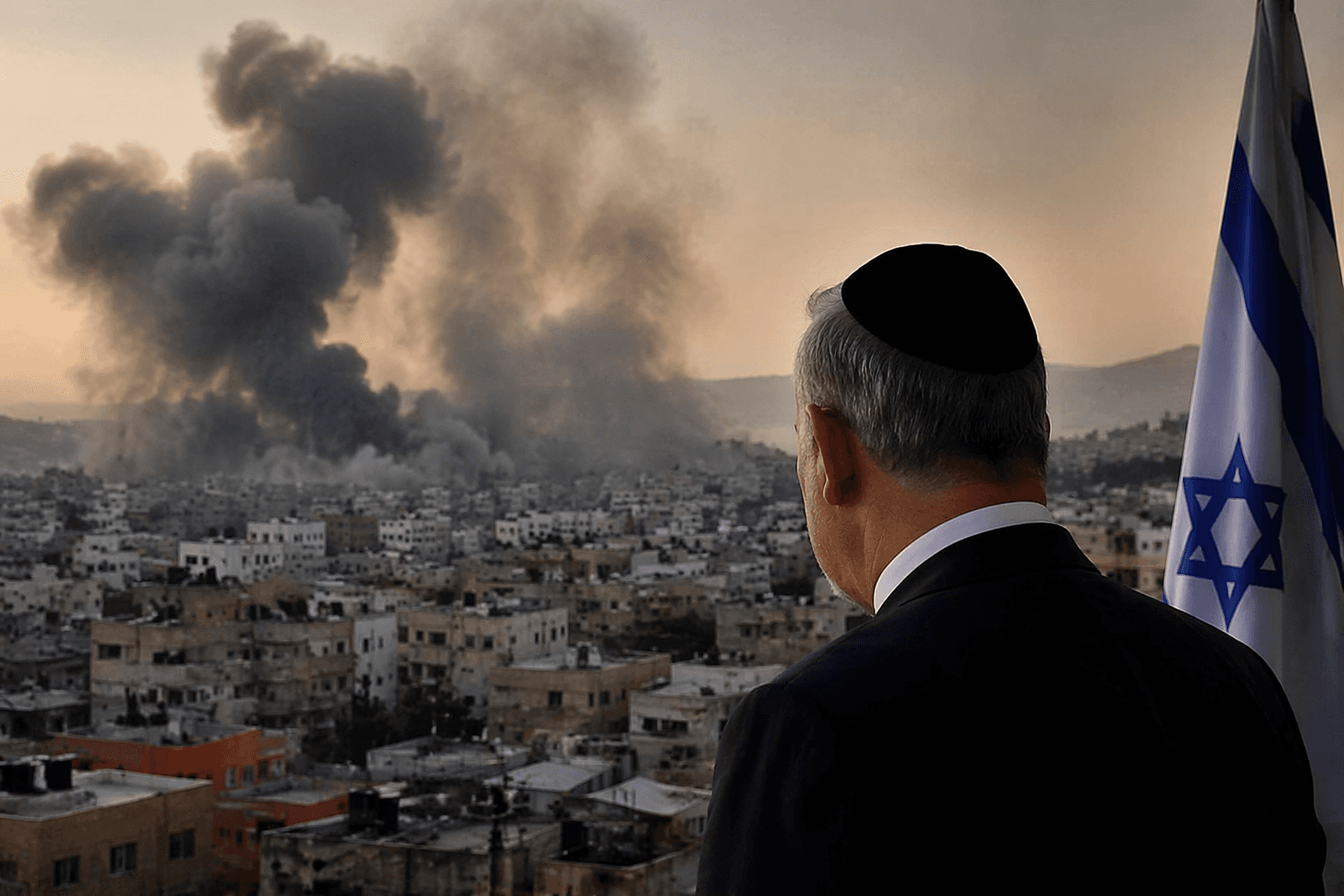
That sequence now sits alongside Trump’s effort to sell progress with Iran. On June 11, Trump said the U.S. had a deal that would ensure Iran would never obtain a nuclear weapon. The White House said separately in June that Iran had agreed to a ceasefire and to reopen the Strait of Hormuz while broader peace talks continued. Then, on June 14, Trump said the U.S.-Iran deal was still on track despite Israel’s strike in Beirut, even as he publicly questioned Netanyahu’s judgment.
For Washington, the risk is that “undermine” could mean several different things at once. It could mean Netanyahu publicly resisting the deal and trying to shape the political narrative against U.S. diplomacy. It could mean more military signaling in Lebanon, or fresh strikes that keep Hizbollah and Beirut on edge. It could also mean covert or deniable actions designed to preserve Israeli leverage while U.S. diplomats are trying to lock in a broader settlement. Any of those paths would make the American message harder to sell, both to Iran and to Arab partners watching whether Washington can restrain its closest ally.
The stakes are sharper because the Israel-Hizbollah conflict has already shown how fast escalation can spread. The Associated Press has reported that Israel’s pager attack across Lebanon killed 12 people, including two children, and wounded more than 3,000. With Netanyahu under domestic pressure to keep military operations going in Lebanon, the question is whether he will stay inside the U.S.-backed diplomatic lane or act in ways that could splinter it. If he does, the damage would reach beyond one ceasefire and into the credibility of Washington’s entire regional strategy.
This article was produced by Prism’s automated news system from verified source data, official records, and press releases, then run through automated quality and moderation checks before publishing. The system is built and supervised by the people who set the standards it runs under. Read our full AI policy.
Know something we missed? Have a correction or additional information?
Submit a Tip