Pakistan-administered Kashmir shutdown halts life amid deadly protests
Pakistan-administered Kashmir has been shut down by protests over refugee seats, leaving at least 24 dead and roads, internet and commerce at a standstill.
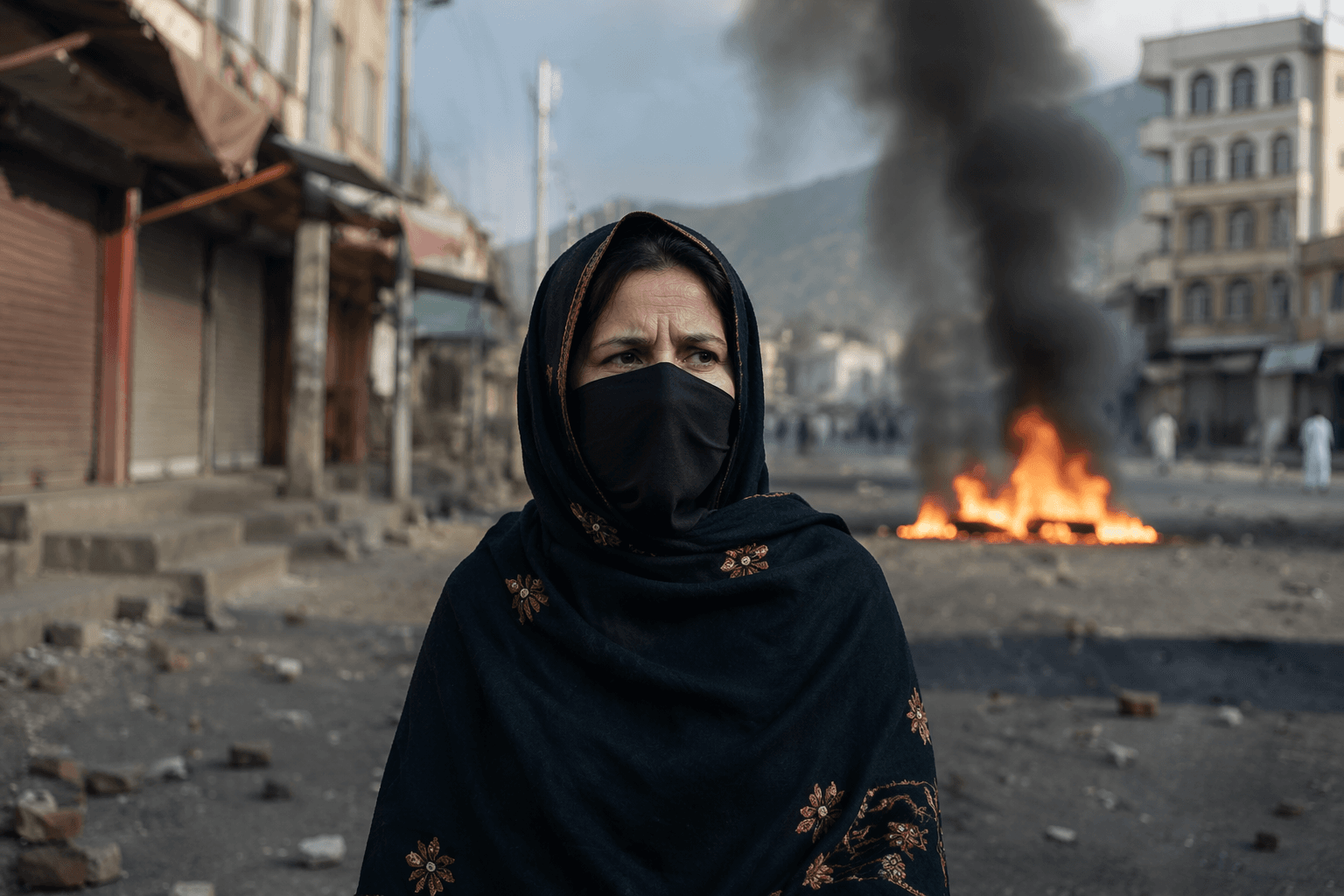
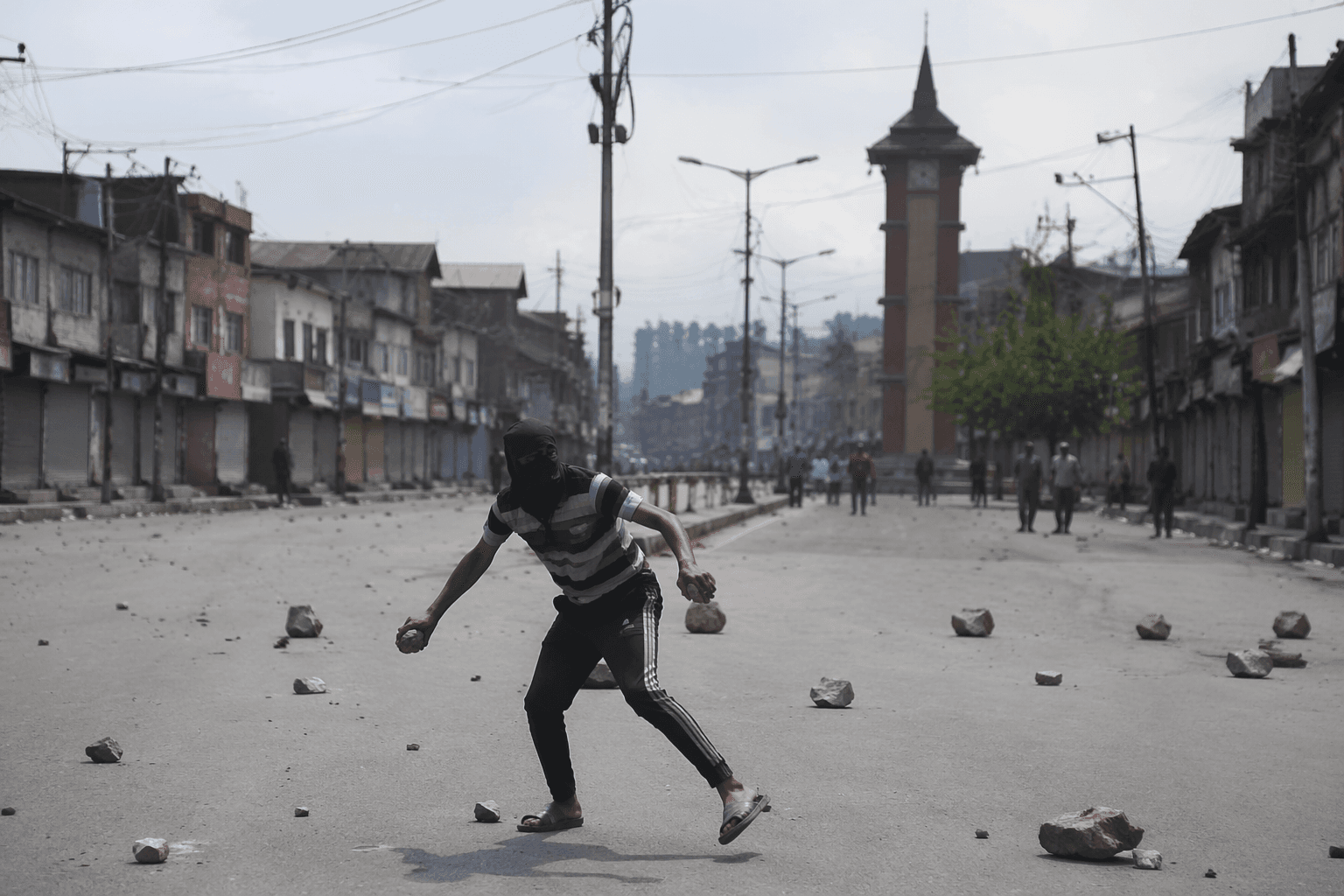
A territory-wide shutdown has paralyzed Pakistan-administered Kashmir, where a dispute over reserved refugee seats has turned into the deadliest unrest in years. At least 24 people have been killed, thousands of supporters of the banned Joint Awami Action Committee have camped outside Rawalakot, and daily life has slowed to a halt under road closures, internet restrictions and a heavy security presence.
The immediate flashpoint was a June 9 strike called by the JAAC, a civil society coalition that has mobilized against 12 reserved seats in the 45-member Azad Jammu and Kashmir Legislative Assembly for Kashmiri refugees living in Pakistan. Those seats matter because the next assembly election, set for July 27, will be the first since 2021, and the refugee question cuts to the heart of representation in a territory where politics is already bound up with the broader Kashmir conflict.
The confrontation escalated after the Supreme Court of Azad Jammu and Kashmir ruled in early June that the 12 seats are constitutionally protected and cannot be abolished without a constitutional amendment. Authorities then banned JAAC under anti-terrorism law and issued detention orders, while the government moved to block the movement’s organizing capacity with shutdowns and internet restrictions across much of the territory.
The toll has been severe. Government officials speaking anonymously said at least 20 civilians were killed between June 6 and June 14. Liaqat Ali Malik, the regional police chief, said four officers had been killed and 97 wounded. Separate reporting put the violence at 11 dead in Rawalakot on June 8, followed by at least seven more killed in clashes on June 8 and June 9, including four security personnel. Authorities said 515 people had been detained.
The security response has widened the crisis far beyond the protest sites. Main roads were shut, media access was limited and the internet was blocked, leaving laborers in Muzaffarabad waiting idly for work and ordinary commerce choked across towns including Rawalakot, Mirpur, Kotli and the Neelum Valley. The result is a political confrontation that now looks like a governance failure: a local grievance over representation has become a territory-wide paralysis.
JAAC’s demands reach beyond the refugee seats. Reporting on the movement’s 38-point charter in 2025 showed anger over elite perks, pricing and other governance issues that helped fuel an earlier protest wave, when at least one protester was killed and many were injured. The latest crackdown has drawn condemnation from Amnesty International, which said the use of force, mass arrests and internet shutdown amounted to a dangerous escalation. For Islamabad, the unrest underscores a difficult contradiction: it criticizes repression elsewhere while facing accusations of heavy-handed rule in a region it ultimately controls.
This article was produced by Prism’s automated news system from verified source data, official records, and press releases, then run through automated quality and moderation checks before publishing. The system is built and supervised by the people who set the standards it runs under. Read our full AI policy.
Know something we missed? Have a correction or additional information?
Submit a Tip