Israel-Hezbollah ceasefire takes effect after strikes threaten Iran talks
A ceasefire between Israel and Hezbollah took hold after deadly strikes killed 47 in southern Lebanon and four Israeli soldiers, threatening U.S.-Iran talks in Switzerland.

A ceasefire between Israel and Hezbollah took effect at 4 p.m. local time Friday, after a fresh burst of cross-border strikes killed at least 47 people in southern Lebanon and four Israeli soldiers and pushed U.S.-Iran diplomacy to the brink. The truce began under heavy pressure, with Hezbollah sources saying the group would observe it while Israel’s military did not immediately confirm participation.
The deal was described as a renewal of the fragile November 27, 2024 Israel-Lebanon ceasefire, which had gone into force at 4 a.m. that day. Under that earlier arrangement, Lebanon was supposed to prevent Hezbollah and other armed groups from carrying out attacks on Israel, while Israel was to halt offensive military operations against Lebanese targets by land, air or sea. The 2024 agreement was mediated by the United States and France, but implementation quickly became uneven, and later United Nations-related reporting said Israeli forces committed thousands of ceasefire violations over the following year.
The latest truce came after fighting delayed U.S.-Iran talks planned for Switzerland, underscoring how quickly the border war had become entangled with wider diplomacy. CBS News reporters Imtiaz Tyab and Natalie Brand said the ceasefire followed escalation that had raised fears the conflict could spill into a broader regional confrontation. Even with the new halt in fighting, the language around the agreement suggested caution rather than confidence.
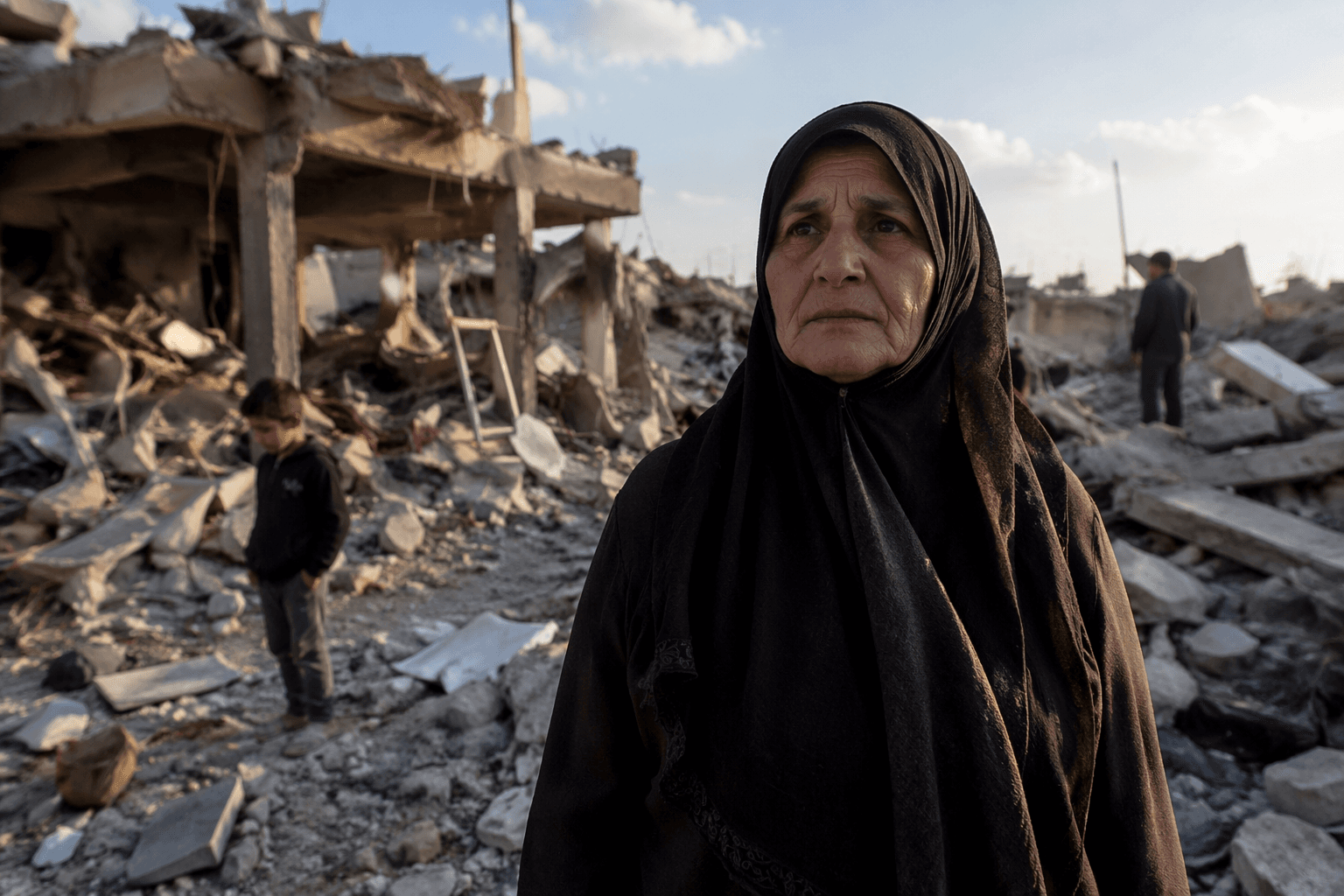
That caution matters on the ground in southern Lebanon, where repeated air and drone strikes have taken a heavy civilian toll. UN human rights reporting has already expressed dismay at the impact on civilians despite the 2024 ceasefire, a reminder that any reduction in fire will be measured not only by the absence of new strikes but by whether displaced families can move back, medical access can reopen and roads and homes can be used safely again.
The next 24 to 72 hours will test whether this is a durable de-escalation or only a tactical pause tied to U.S.-Iran diplomacy. Watch for whether Israel and Hezbollah both keep the guns quiet across the Blue Line, whether the U.S. State Department can revive the stalled Switzerland talks, and whether the ceasefire stops where the last one often did not. If the fighting resumes quickly, it will confirm how close the region remains to wider escalation; if it holds, it may buy only a brief window for diplomacy that still rests on fragile ground.
This article was produced by Prism’s automated news system from verified source data, official records, and press releases, then run through automated quality and moderation checks before publishing. The system is built and supervised by the people who set the standards it runs under. Read our full AI policy.
Know something we missed? Have a correction or additional information?
Submit a Tip