U.S. to phase out HIV support in South Africa
Washington’s planned retreat from South Africa’s HIV program could upend care for 7.8 million people living with HIV and test U.S. credibility abroad.

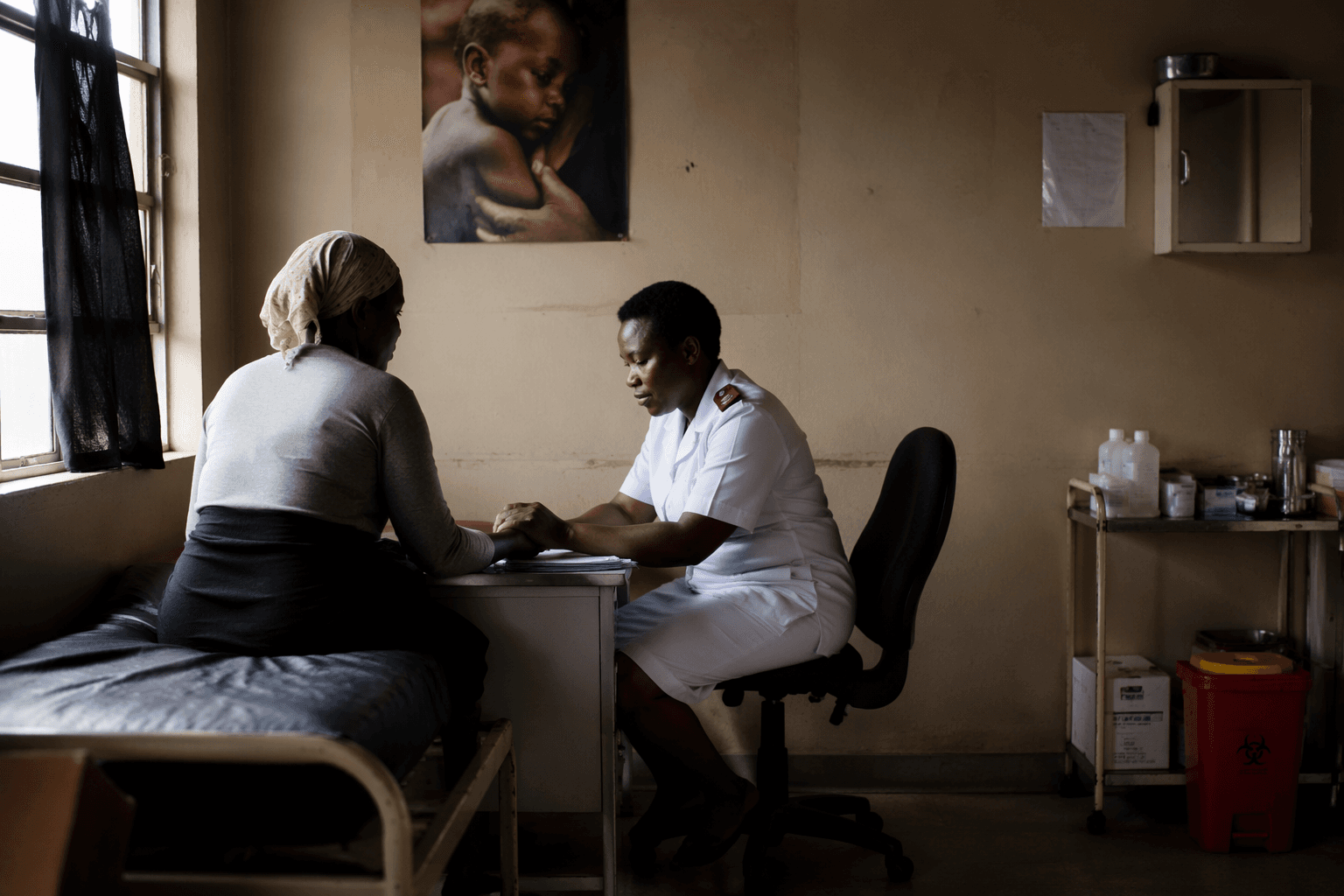
The State Department said it would phase out support for HIV prevention and treatment in South Africa, a move that could reach deep into the country’s clinics and community health networks. South Africa had about 7.8 million people living with HIV in 2024, with 6.3 million on antiretroviral therapy and 53,000 AIDS-related deaths, making the country the center of the world’s largest HIV epidemic.
The decision would unwind a long-running U.S. role built through PEPFAR, the program launched in 2003 and described by the State Department as the largest commitment by any nation to address a single disease in history. In South Africa, PEPFAR has recently been estimated to cover roughly 18% to 20% of the HIV response. University of Cape Town researchers warned in March 2025 that a full withdrawal without an effective transition could produce 601,000 HIV-related deaths and 501,000 new infections over 10 years.
The latest move follows months of strain after the Trump administration’s January 2025 foreign-aid freeze disrupted PEPFAR-funded projects. That prompted a six-month bridge plan worth $115 million for South Africa, running from October 1, 2025, through March 31, 2026. The State Department is now moving to end that support after South Africa allegedly failed to meet U.S. policy demands tied to an executive order issued by President Donald Trump in February 2025. Officials in Washington could formally notify Pretoria as soon as next week.
The stakes remain high even as South Africa’s HIV prevalence has edged down. The Human Sciences Research Council says prevalence among all ages fell from 14.0% in 2017 to 12.7% in 2022, but the burden remains severe among women and young people. South Africa has also been rolling out new prevention tools, including a twice-yearly HIV-prevention injection, while trying to expand treatment coverage and reduce reliance on foreign aid.
UNAIDS warned on June 12, 2026, that external funding cuts, underinvestment and setbacks in human-rights protections are threatening to reverse years of progress in the AIDS response. South African officials have said the country already funds most of its antiretroviral-drug provision domestically, and health leaders have argued that the wider U.S. contribution helped sustain HIV-program infrastructure rather than only medicine. For clinics, advocacy groups and researchers, the end of U.S. support raises a sharper question than diplomacy: whether hard-won gains in prevention, staffing and community-based care can survive the retreat.
This article was produced by Prism’s automated news system from verified source data, official records, and press releases, then run through automated quality and moderation checks before publishing. The system is built and supervised by the people who set the standards it runs under. Read our full AI policy.
Know something we missed? Have a correction or additional information?
Submit a Tip