Israel, Hezbollah clash again as fragile truce keeps fraying
Israel’s strike on Beirut put the U.S.-brokered truce on trial, even as Hezbollah kept firing and both sides traded accusations of violations.
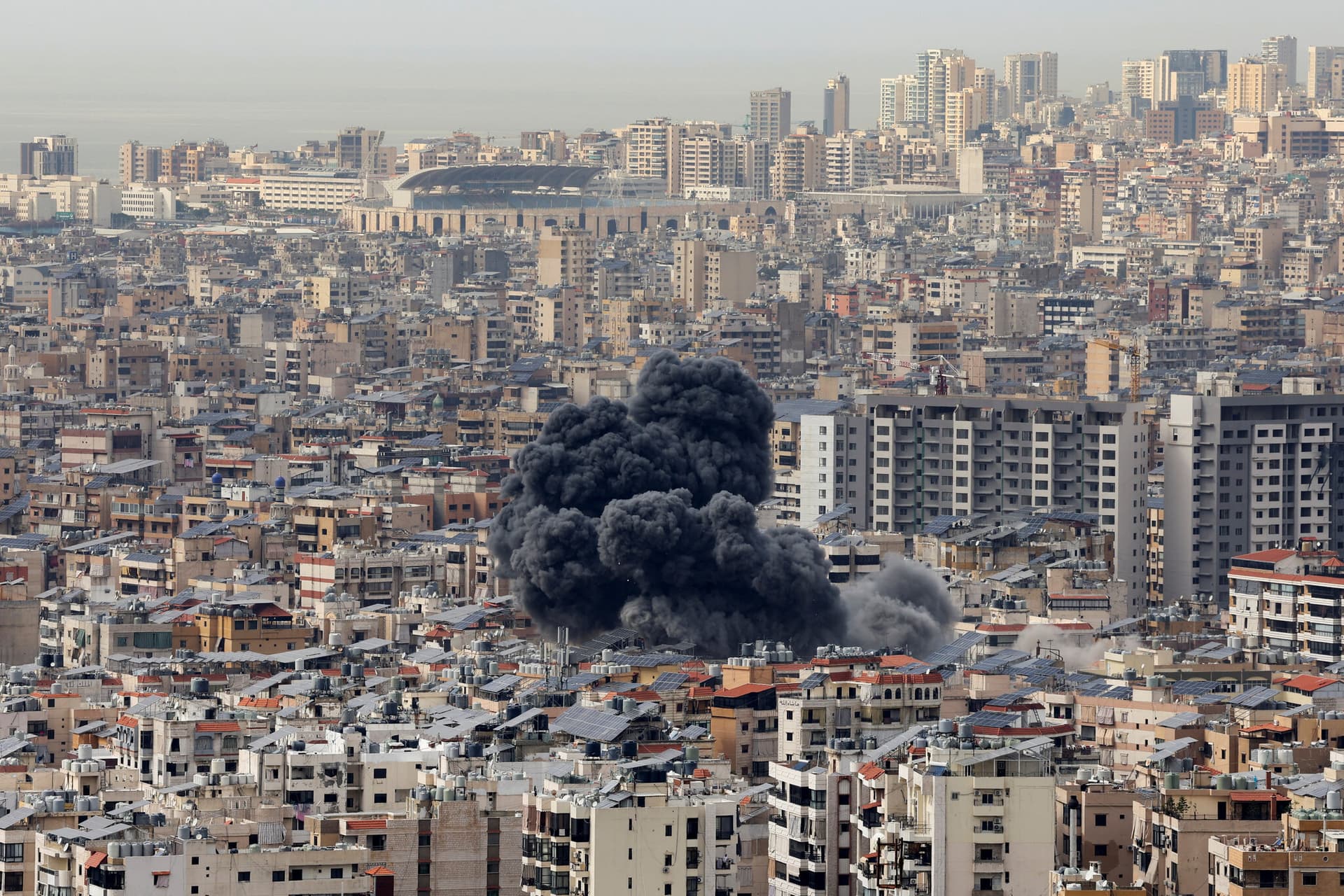
Israel’s strike on Beirut, the first since the cease-fire began, turned the U.S.-brokered truce into a credibility test on the ground. Israel said the May 6-7 attack targeted a commander of Hezbollah’s elite Radwan Force, a sign that the fighting had spread beyond southern Lebanon even after Washington announced a 10-day cessation of hostilities on April 16.
That agreement was meant to do more than pause the guns. The truce was supposed to create conditions for broader negotiations toward a permanent security and peace accord between Israel and Lebanon. Instead, Hezbollah kept attacking Israeli troops, Israel accused Hezbollah of violating the deal, and each side warned the other that the calm could end at any moment.
The cease-fire briefly gave thousands of displaced Lebanese families a chance to start going home on April 17, but the return was shadowed by uncertainty and Israeli warnings. Hezbollah later called the cease-fire “meaningless” after continued clashes and an extension of the arrangement, while Israel said it would attack Hezbollah targets “forcefully” if the fighting continued.
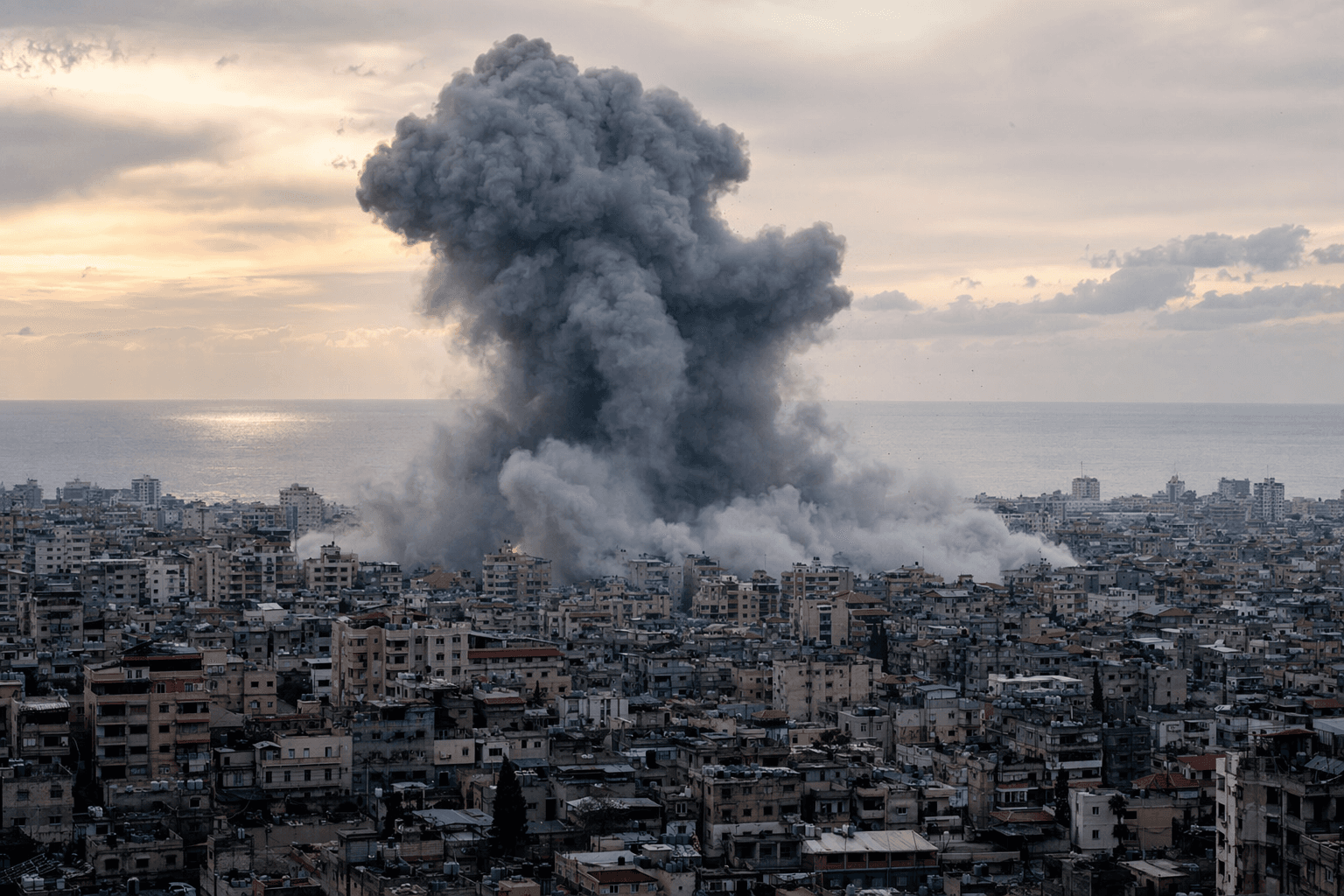
The violence had already exacted a heavy toll before the truce took hold. Israeli strikes on Lebanon killed more than 250 people on April 8, the deadliest day of the renewed war. Lebanese health authorities say Israeli strikes across Lebanon have killed more than 2,600 people since Hezbollah began firing rockets into Israel on March 2 in solidarity with Iran, while Hezbollah rocket fire into Israel has killed at least 14 people.
For communities in southern Lebanon, the latest round of strikes has left large areas effectively unlivable, with families, local officials and aid groups warning that homes, roads and basic services have been battered beyond quick repair. The continued attacks show how little room remains for diplomacy when neither side believes the other is honoring the terms of the truce.
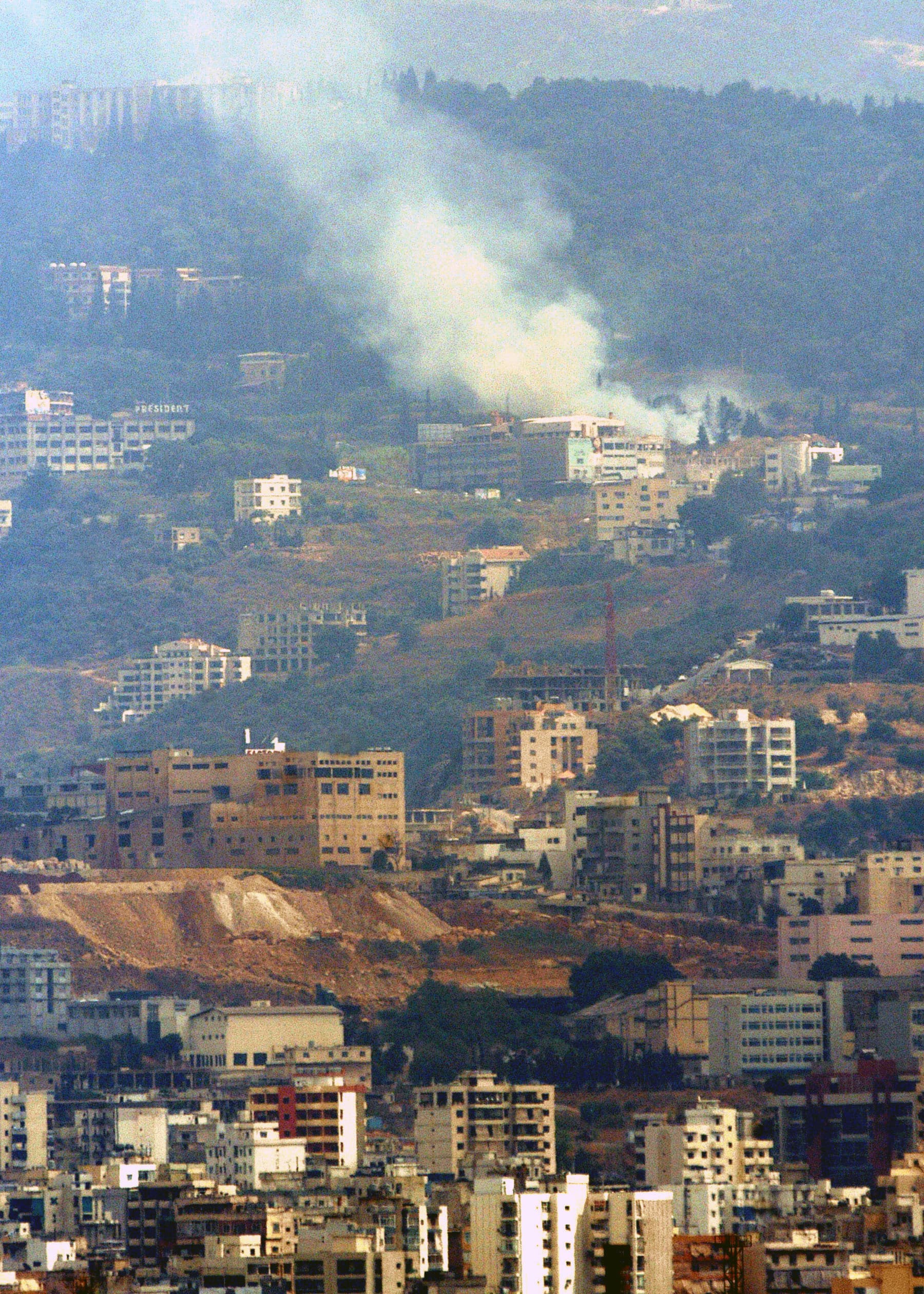
The result is a cease-fire that exists largely in name, as the fighting exposes the limits of American leverage and keeps alive the risk that a border war could slide back into wider regional conflict.
This article was produced by Prism’s automated news system from verified source data, official records, and press releases, then run through automated quality and moderation checks before publishing. The system is built and supervised by the people who set the standards it runs under. Read our full AI policy.
Did this article answer your question?


