Israel, Hezbollah trade fire as fragile ceasefire nears collapse
Israeli strikes killed at least 23 people in Lebanon in one day as Beirut was hit for the first time since the truce. Nearly 500 have died since April 16.
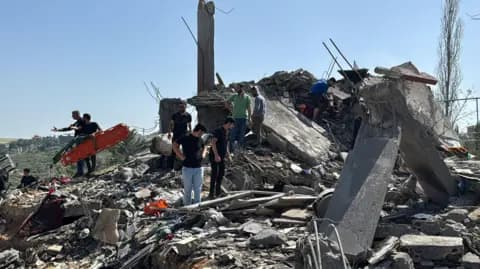
A strike on Beirut’s southern suburbs on May 6 shattered any sense that the ceasefire was holding, even as Israel and Hezbollah kept trading fire across southern Lebanon and northern Israel. It was the first Israeli attack on the Lebanese capital since the truce was announced on April 16 by U.S. President Donald Trump, and Israel said it killed a commander of Hezbollah’s elite Radwan force in the assault.
The attack sharpened doubts about whether the ceasefire was ever enforceable. It was initially meant to last 10 days, then was extended for three more weeks, but the violence never stopped. On May 9, Lebanese officials said Israeli strikes across the country killed at least 23 people in a single day. Lebanon’s Ministry of Public Health said Israeli attacks since April 16 had killed nearly 500 people, while the total death toll since the war began on March 2 had climbed to more than 2,750.
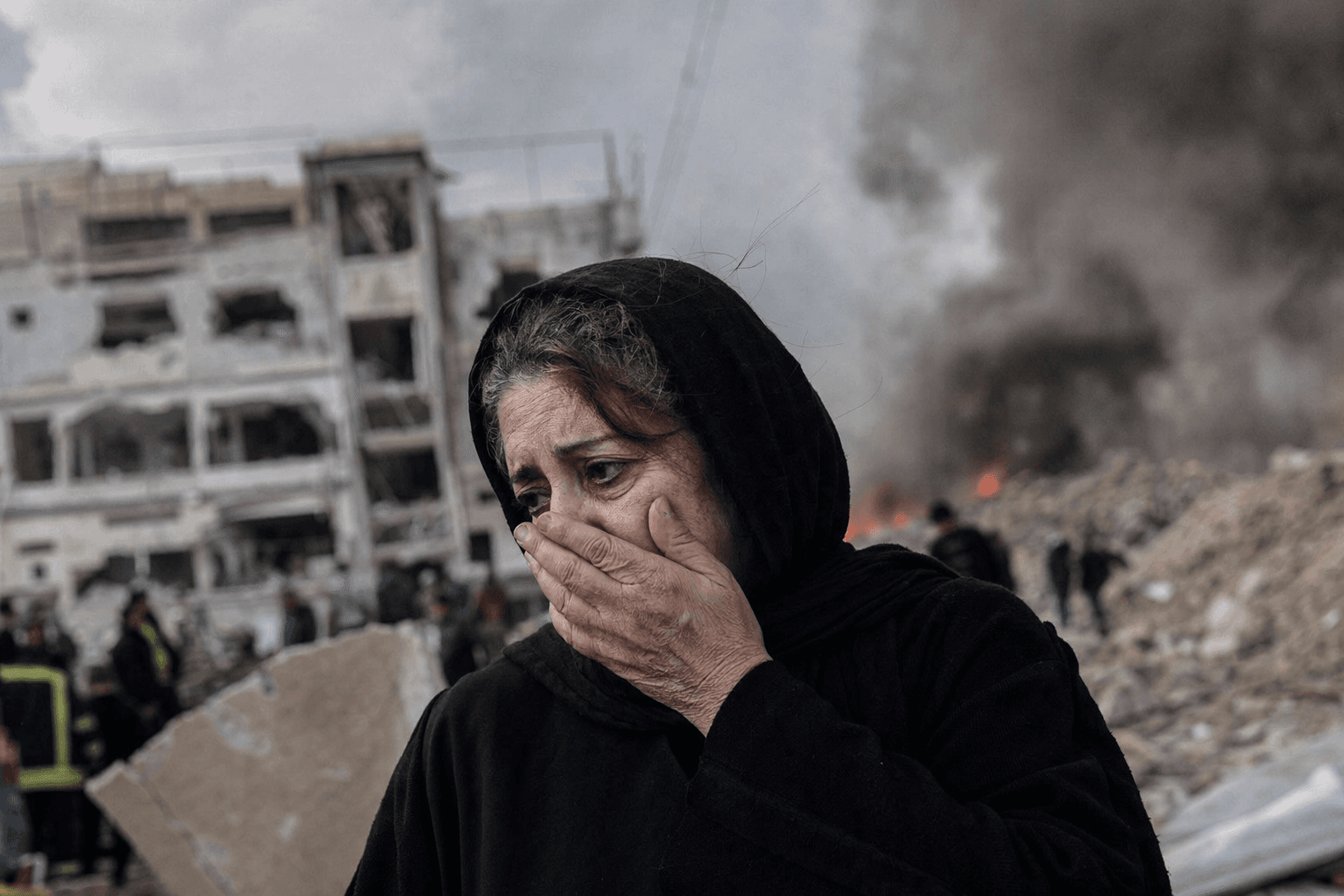
That toll reflects more than a battlefield statistic. In southern Lebanon, airstrikes and displacement orders have kept families moving through a landscape of repeated evacuation and return. Israeli forces have remained deployed in areas south of the Litani River, and Israel has issued new forced-displacement orders for towns including Saksakiyeh in the Sidon district and parts of Nabatieh. Lebanon’s health ministry said an attack on Saksakiyeh killed at least seven people, including a child, and wounded 15, among them three children.
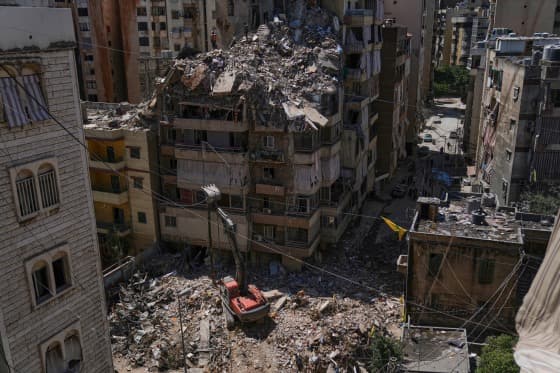
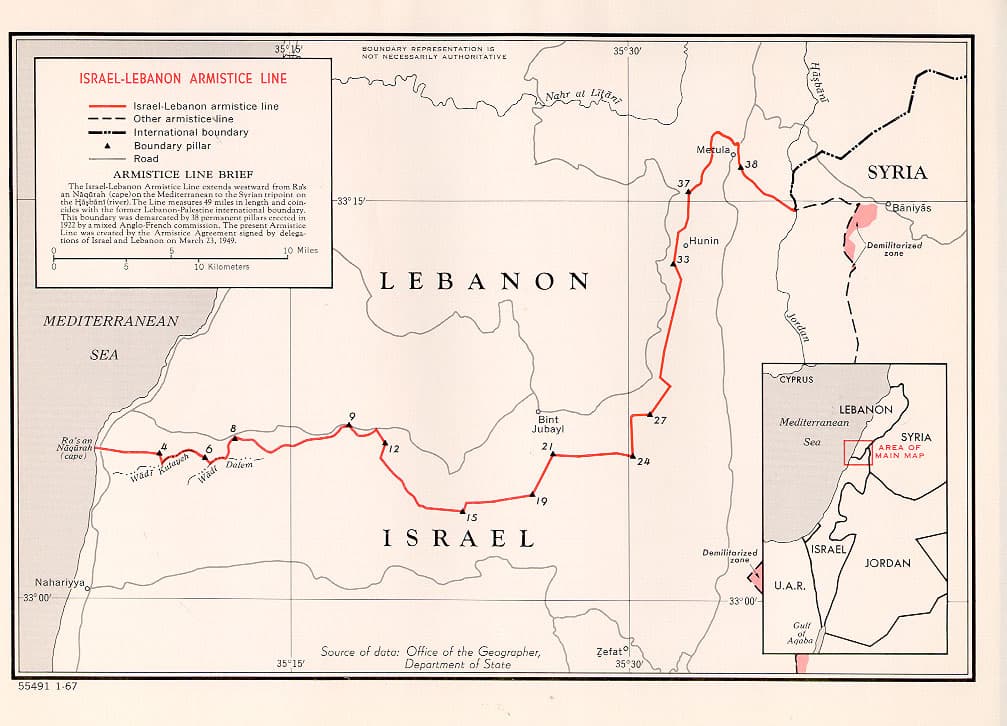
Hezbollah has continued firing rockets and launching armed drones toward Israeli soldiers and northern Israel, keeping the border volatile even as diplomacy advanced in Washington. The United States said a second round of Israel-Lebanon talks would be held on May 14 and 15 in Washington, after previously hosting two meetings between the Lebanese and Israeli ambassadors. Lebanese Prime Minister Nawaf Salam said it was premature to talk about any high-level Israel-Lebanon meeting, underscoring the political divide inside Lebanon over how to respond.
Israel’s leadership has shown no sign of treating the truce as a constraint on military action. Prime Minister Benjamin Netanyahu said there was no “immunity” for Israel’s enemies after the Beirut strike. Hezbollah has strongly opposed contacts with Israel, while the Lebanese presidency has been drawn into the question of whether talks can produce more than another temporary pause. For civilians in Beirut, Nabatieh and the villages of the south, the ceasefire has meant fewer guarantees, not fewer funerals.
This article was produced by Prism’s automated news system from verified source data, official records, and press releases, then run through automated quality and moderation checks before publishing. The system is built and supervised by the people who set the standards it runs under. Read our full AI policy.
Did this article answer your question?


