Israel launches “broad-scale” strikes on Tehran and Beirut as war spreads
Israel said it began a "broad-scale" attack on Tehran and struck Hezbollah areas in Beirut, deepening a regional war that has killed hundreds, displaced civilians and pulled U.S. forces into direct danger.
Israel said it had begun a "broad-scale" attack on Tehran and carried out strikes on Hezbollah-controlled neighborhoods in Beirut as fighting across the Middle East accelerated, while the Pentagon said "Iran’s retaliatory missile strikes were decreasing."
Israeli forces said strikes in Tehran hit the complex that houses Iran’s state broadcaster, IRIB, and targeted what an Israel-based broadcaster described as regime command centers, missile systems and Revolutionary Guard compounds. Explosions were heard across the Iranian capital and smoke rose over the city. Israeli authorities also warned of imminent attacks on towns in Lebanon after a wave of exchanges opened a new front with Hezbollah.
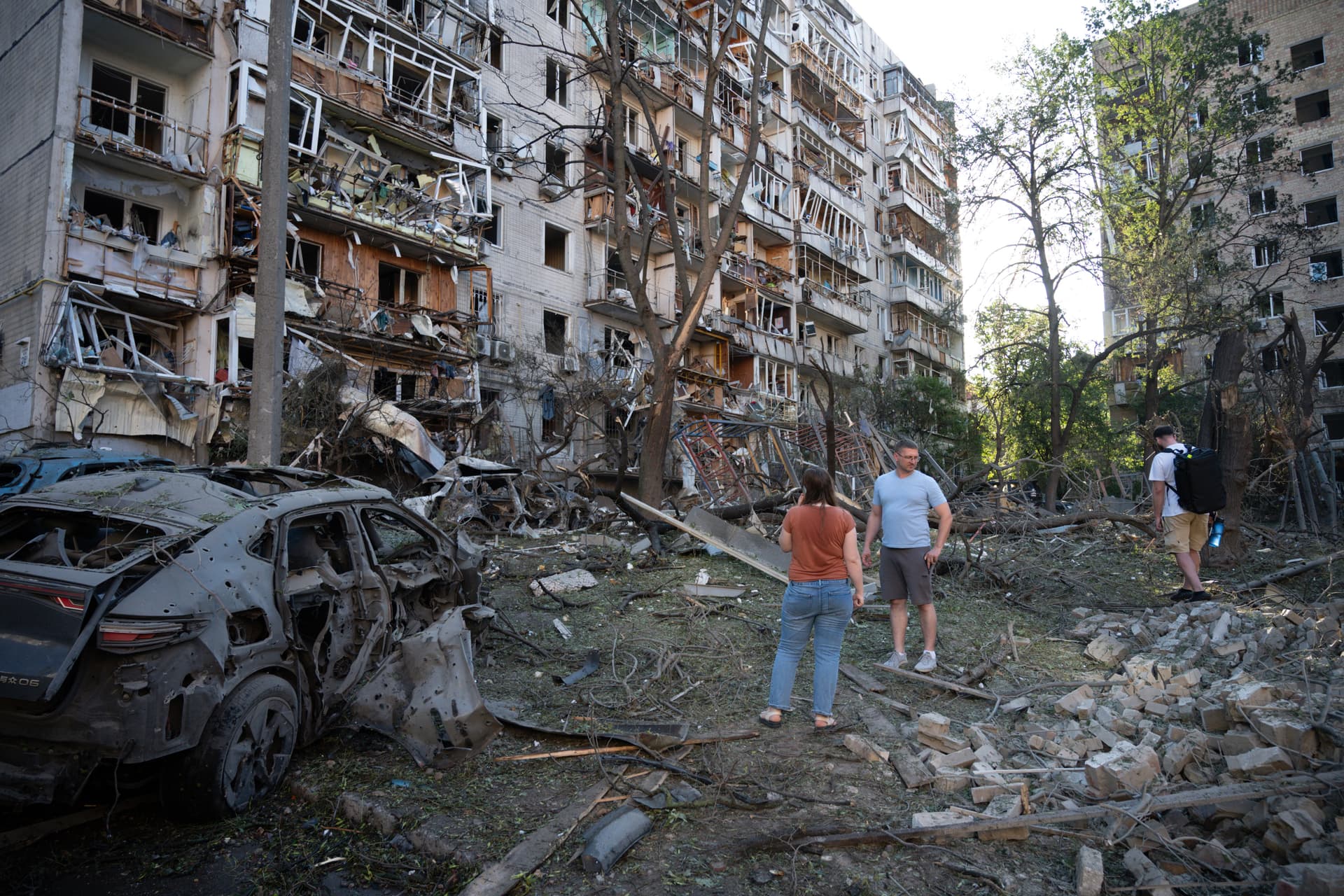
In Beirut, Lebanon’s state news agency NNA said airstrikes on the Hezbollah-controlled southern suburbs, known as Dahiyeh, killed at least 31 people and wounded 149. Photographs from the area showed collapsed buildings and plumes of smoke. Residents in border areas fled, with long queues reported at the Jdeidet Yabous crossing into Syria as families and workers sought refuge from the bombardment.
Hezbollah has launched missiles and drones toward northern Israel, testing air defenses and spreading fighting beyond the principal Israel-Iran axis. An Israel-based broadcaster posted footage it said showed an Israeli F-35I downing an Iranian jet in a rare aerial engagement; the claim has not been independently verified by military officials on either side.
The United States, drawn deeper into the crisis, said its forces had struck more than 1,250 Iranian targets and destroyed 11 Iranian ships. U.S. officials also reported casualties and equipment losses in the chaotic opening days: six U.S. service members have been reported killed so far, with U.S. Central Command saying Kuwait mistakenly shot down three American F-15E jets during an Iranian strike. Central Command added that all six crew members ejected and were recovered, a statement that sits alongside the U.S. military's tally of deaths and underscores confusion over battlefield reporting.

President Donald Trump defended the campaign, saying, "Right from the beginning, we projected four to five weeks, but we have capability to go far longer than that," and urging that the strikes aim to blunt Tehran’s nuclear and ballistic missile programs.
Estimates of casualties inside Iran vary widely and remain unverified. One set of regional tallies circulating in coverage put Iranian deaths between 800 and 1,500 over five days of fighting, and Kurdish outlets reported that police stations and Revolutionary Guard facilities in Iran’s northwest were razed. Those figures have not been corroborated by independent monitors or Iranian official tallies available to international agencies.
Humanitarian suffering is mounting as populations in Lebanon, Iran and parts of the Levant face bombardment, shortages and displacement. Air defenses intercepted multiple incoming missiles over Tel Aviv, shaking buildings and heightening public alarm across Israeli population centers that until recently had felt insulated from large-scale strikes on Iranian soil.
The conflict’s pace and breadth pose immediate questions for regional stability and international law, including the rules governing cross-border strikes on civilian infrastructure and the protection of noncombatants. Many operational claims remain unconfirmed, and analysts say independent verification of casualty counts, battle damage and aircraft losses will be critical to assessing the human and strategic toll as the war continues to unfold.
This article was produced by Prism’s automated news system from verified source data, official records, and press releases, then run through automated quality and moderation checks before publishing. The system is built and supervised by the people who set the standards it runs under. Read our full AI policy.
Did this article answer your question?