Israel-Lebanon deal could complicate U.S.-Iran peace talks
Iran says it wants diplomacy and war at once, while a Washington deal tying an Israeli pullout to Hezbollah’s disarmament threatens wider U.S.-Iran talks.
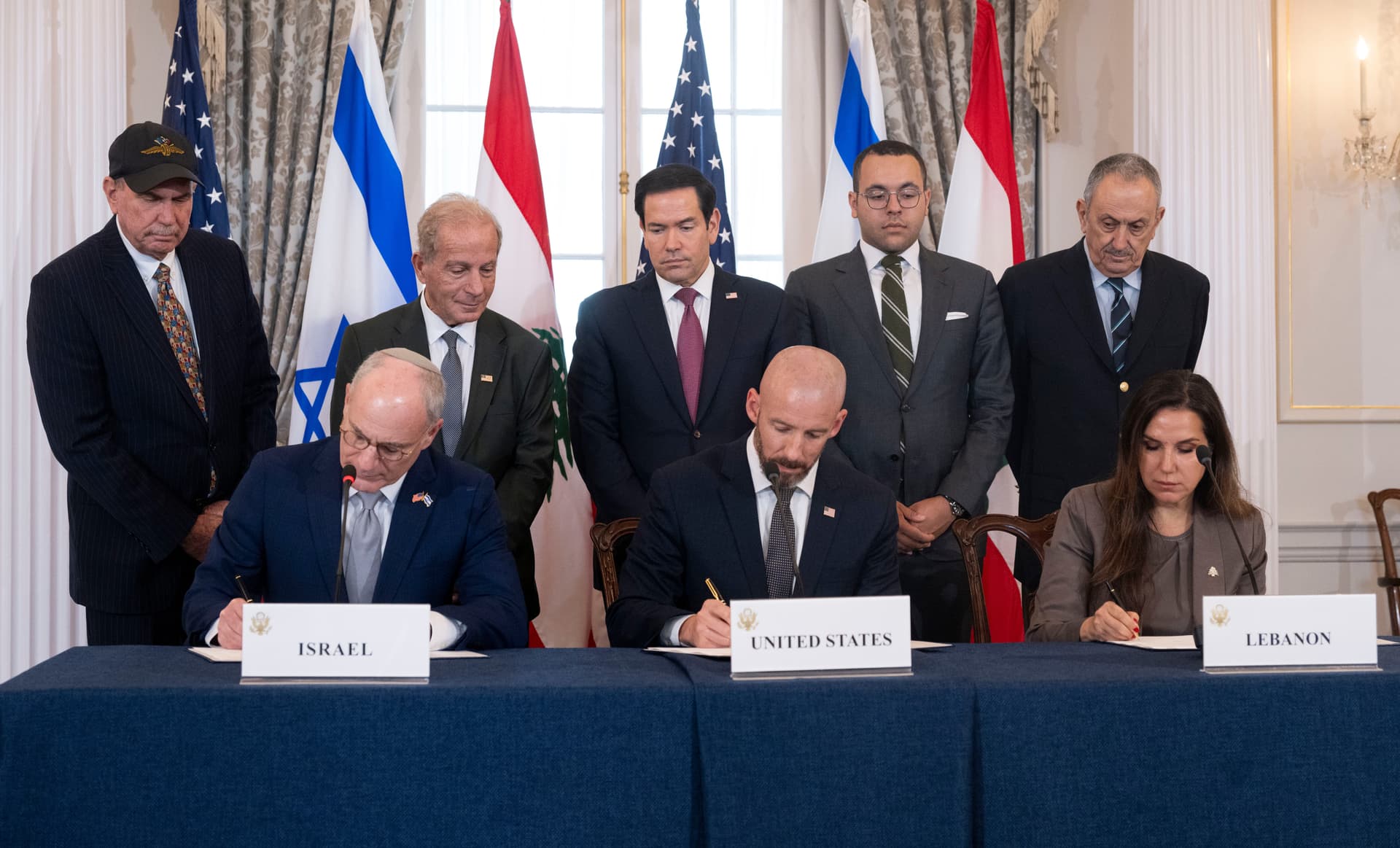
A Washington deal signed June 26 tied any Israeli withdrawal from Lebanon to Hezbollah’s disarmament, but Hezbollah was not part of the agreement and rejected it. That leaves the Lebanon track unsettled just as negotiators in Switzerland are working through a 60-day U.S.-Iran framework that also aims to keep the Strait of Hormuz open and quiet the fighting in Lebanon.
Secretary of State Marco Rubio called the accord a “first step” and said there is “a lot of work ahead.” The United States also created a trilateral Military Coordination Group for Lebanon under the framework, a sign that Washington is trying to keep Israel and Lebanon inside a ceasefire process even as the political terms remain disputed.

The problem is that the arrangement asks for a sequence that Hezbollah does not accept. Israeli withdrawal is linked to Hezbollah’s disarmament, but the group has already rejected the deal, and Israeli officials have said they will not leave Lebanon until their conditions are met. Analysts warn that could leave Israeli forces in southern Lebanon indefinitely, freezing the conflict instead of resolving it and putting the wider diplomacy at risk.
The stakes grew out of the war that erupted March 2, 2026, after Hezbollah fired at Israel in solidarity with Tehran following U.S. and Israeli attacks on Iran in late February. That fighting fused the Lebanon front to the Iran file, making any separate peace process harder to isolate from the battlefield.
Iran’s chief negotiator, Mohammad Bagher Ghalibaf, reinforced that tension on Tuesday, saying Iran was prioritizing diplomacy with the United States but remained ready for war. He said, in effect, that only those prepared for war can negotiate well, and added that “our armed forces are ready to respond.”
Ghalibaf also said Iran had exported more than 40 million barrels of oil since the U.S. blockade was lifted, compared with no exports during roughly the previous 50 to 60 days. The figure underscored how quickly Tehran is trying to turn a diplomatic opening into economic relief while keeping military pressure on the table.
For now, the Lebanon framework sits between two incompatible demands: Israel wants Hezbollah disarmed before it pulls back, and Hezbollah rejects the bargain outright. If that standoff holds, the side agreement could become the bottleneck that decides whether the U.S.-Iran talks survive or whether the region slides toward a broader conflict.
This article was produced by Prism’s automated news system from verified source data, official records, and press releases, then run through automated quality and moderation checks before publishing. The system is built and supervised by the people who set the standards it runs under. Read our full AI policy.
Did this article answer your question?


