Israel orders defensive-only actions in Lebanon after deadly clashes
Israel’s defensive-only order in Lebanon came after deadly clashes killed civilians and pushed U.S.-Iran talks in Switzerland off track.
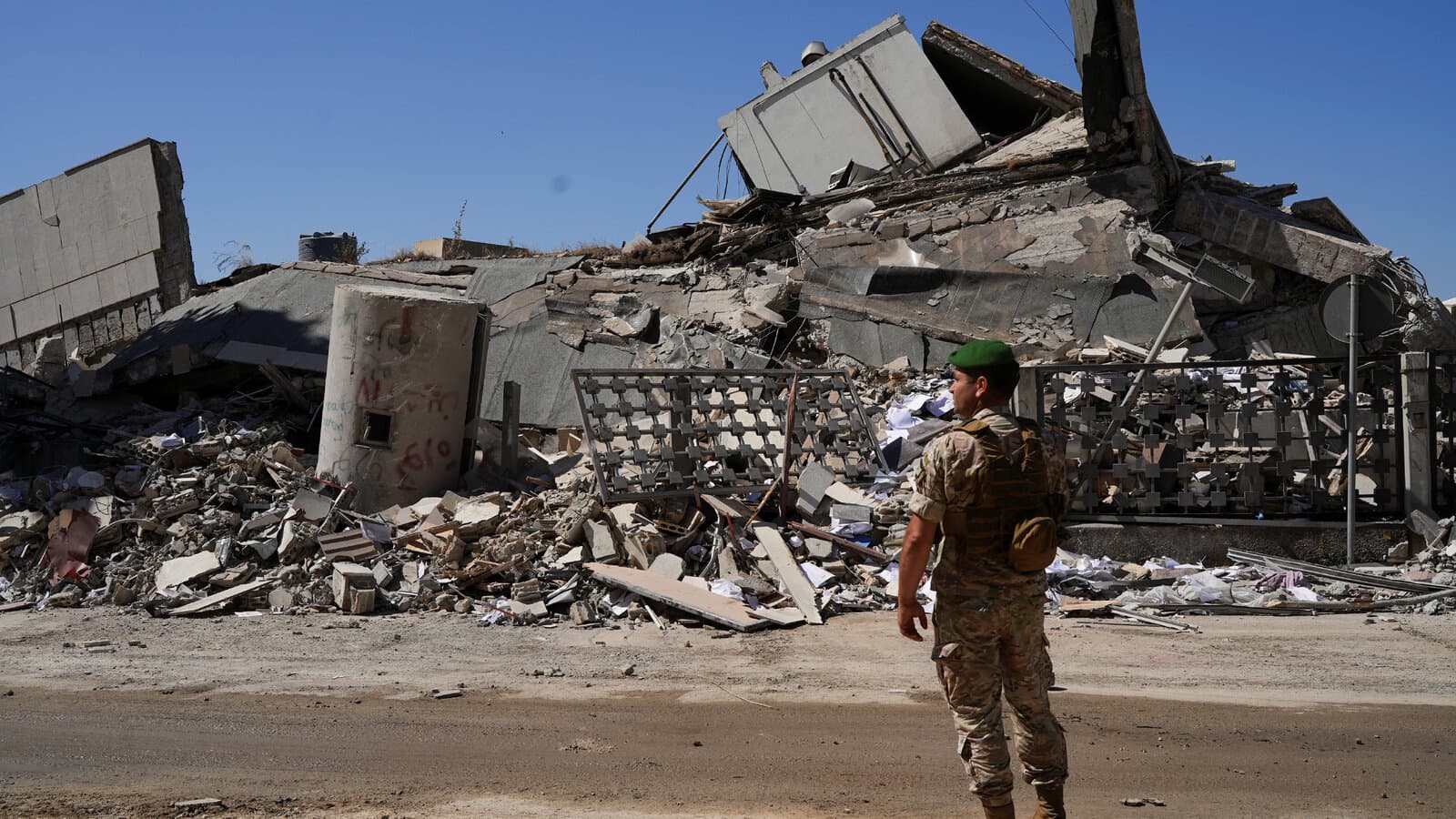
Israel’s order to keep its military on defensive actions only in Lebanon came after two days of deadly clashes that killed civilians and threatened a preliminary U.S.-Iran peace track. By Sunday, June 21, the fighting with Iran-backed Hezbollah had appeared to ease, but the real test was whether the restraint would hold under pressure.
On Saturday, June 20, the Israeli government directed the Israel Defense Forces to limit their activity in Lebanon, a move that followed a sharp escalation along the southern border. The directive came against the backdrop of a fragile U.S.-brokered ceasefire arrangement announced in early June 2026, one that depended on a complete cessation of Hizbollah fire and the evacuation of all Hizbollah operatives from the South Litani Sector. That arrangement has remained tightly linked to the question of whether Israeli forces will fully withdraw or instead keep a buffer zone in place.

Israel added to that uncertainty on June 18, when it published a map showing an expanded military control zone in southern Lebanon. Israeli officials said they would not rule out attacks beyond that zone, a warning that signaled the dispute had not been settled even as diplomatic channels were still open.
The cost of the fighting was immediate. Israeli strikes on southern Lebanon on Saturday killed at least seven people, including two children, according to Lebanese state media. Earlier strikes on Tyre killed at least eight people after an evacuation warning for the entire city, a step that sharpened alarm over civilian exposure in densely populated areas. The violence also displaced thousands across Lebanon, including residents of Beirut’s southern suburbs, adding to the strain on communities already living under repeated bombardment and movement restrictions.
The escalation had consequences beyond Lebanon. U.S. and Iranian officials were said to have postponed planned talks in Switzerland as the fighting intensified, underscoring how quickly the border violence could disrupt the wider diplomatic track. The United Nations and human-rights groups have warned repeatedly about civilian harm and forced displacement, and the latest clashes reinforced those concerns while leaving the ceasefire’s durability in doubt.
For now, the central question is not whether the fighting eased on Sunday, but whether Israel’s defensive-only order marks genuine de-escalation or only a brief pause before the next round of pressure on Lebanon and the fragile U.S.-Iran channel.
This article was produced by Prism’s automated news system from verified source data, official records, and press releases, then run through automated quality and moderation checks before publishing. The system is built and supervised by the people who set the standards it runs under. Read our full AI policy.
Did this article answer your question?


