Israel Plans Security Zone in Southern Lebanon Up to Litani River
Israel's defence minister declared a security zone extending 19 miles to the Litani River, with five bridges already destroyed and displaced Lebanese barred from returning south.
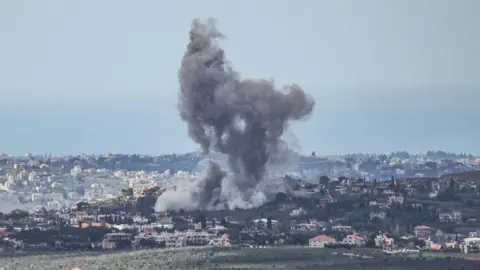
Israel's Defence Minister Israel Katz declared on March 24 that the Israel Defense Forces would establish and hold a security zone across all of southern Lebanon up to the Litani River, roughly 30 kilometres from the Lebanon-Israel border, demolish houses used by Hezbollah near the frontier, and prevent displaced residents from returning until northern Israel is deemed secure.
In a statement following a security assessment, Katz said the IDF was already "manoeuvring into Lebanese territory to seize a front line of defence, eliminating Hezbollah terrorists and destroying the terrorist infrastructures that were established there." He described the objective as creating "a defensive space and keep the threat away." At the end of the operation, he said, the IDF "would control the area up to the Litani River, including the remaining Litani bridges, while eliminating Radwan forces that infiltrated the area and destroying all weapons there."
Five bridges on the Litani that Katz described as "used by Hezbollah for the passage of terrorists and weapons" had already been blown up at the time of his announcement. Satellite imagery has confirmed the scale of devastation across the south, along with a growing number of Israeli military bases established in the area.
Prime Minister Benjamin Netanyahu, speaking at a separate news conference, said Israel's military would widen its ground campaign and expand what he called a "security belt" in Lebanon, framing the move as intended "to thwart the threat of invasion and to keep the anti-tank missile fire away from our border."
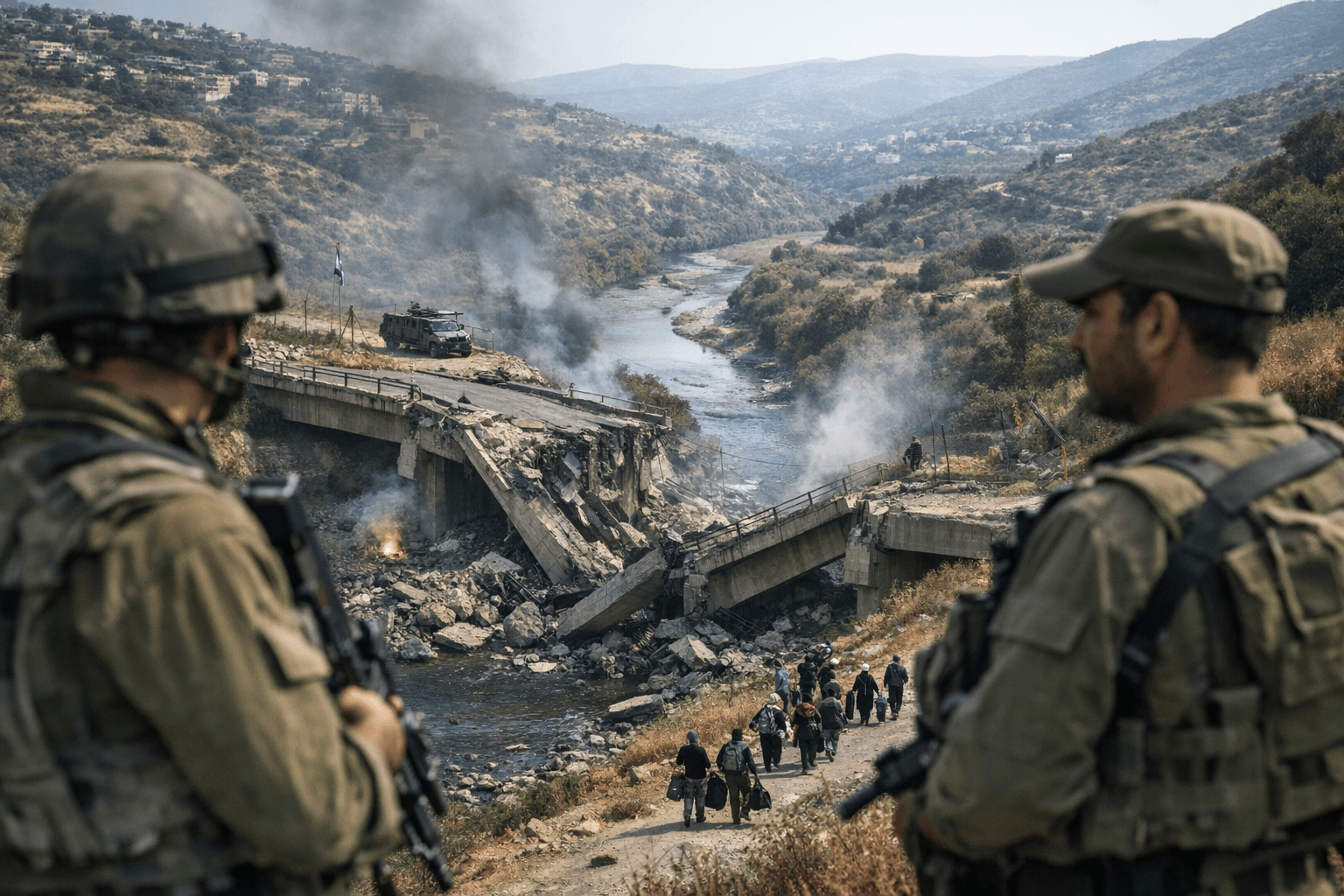
The humanitarian toll has grown sharply. Since March 2, nearly 1,200 people have been killed and more than 3,400 wounded in Lebanon, while 19 people have been killed in Israel. The Lebanese health ministry put its own toll at around 1,000 dead, including at least 118 children and 40 health workers. More than one million people have been displaced across southern Lebanon, and Katz stated they "will not return south of the Litani River until security is guaranteed for the residents of the north" of Israel. Humanitarian organizations have warned of the destruction of entire residential areas.
Katz said the strategy mirrors the approach Israel followed in Rafah and Beit Hanoun, the major Gaza population centres that have been largely destroyed by air strikes and remain under Israeli military control. Houses in Lebanese villages near the Israeli border, specifically those he said were used by Hezbollah, would also be demolished.
The plan further strains an already fragile ceasefire framework. Under the 2024 agreement that ended the previous round of fighting, Hezbollah was required to disarm and withdraw from its positions in southern Lebanon under supervision of the Lebanese government and army. Progress on those terms was partial, and Israel maintained several military posts in the south while continuing to carry out strikes on what it described as Hezbollah targets. Southern Lebanon is the heartland of Lebanon's Shia Muslim community and Hezbollah's primary support base, though it is also home to Christian and other communities. Katz's announcement of a permanent security zone up to the Litani came one day after Israel's finance minister called for Israel to annex the region entirely.
This article was produced by Prism’s automated news system from verified source data, official records, and press releases, then run through automated quality and moderation checks before publishing. The system is built and supervised by the people who set the standards it runs under. Read our full AI policy.
Did this article answer your question?


