Israel Proposes Overhaul of Dead Sea Mineral Concessions to Raise Revenues
Israel published a draft bill on December 3 that would remake the concession and tender framework for Dead Sea mineral extraction, increase the government's share of returns and impose new environmental safeguards. The legislation aims to lift the state take toward an average 50 percent from roughly 35 percent, open the field to international bidders and establish rules for the concession that will follow the current permit when it expires in 2030.
On December 3 the Israeli Finance Ministry released a draft law that would redraw the economic and regulatory map for mining the Dead Sea, proposing higher royalties and other measures intended to boost state revenues and address the environmental degradation that has plagued the basin for decades. The measure seeks to raise the government share of concession profits toward an average 50 percent from about 35 percent under existing arrangements, and to underpin the allocation of the next concession when the current permit held by ICL Group expires in 2030.
The draft law is aimed at reshaping the concession and tender process, promoting competition and lowering barriers to entry so that international companies can bid alongside domestic firms. It also includes provisions described by the Finance Ministry as safeguards to limit environmental harm as the sea continues to shrink. Reuters reported the ministry framed the bill as a way to attract foreign investment while protecting the fragile ecosystem.
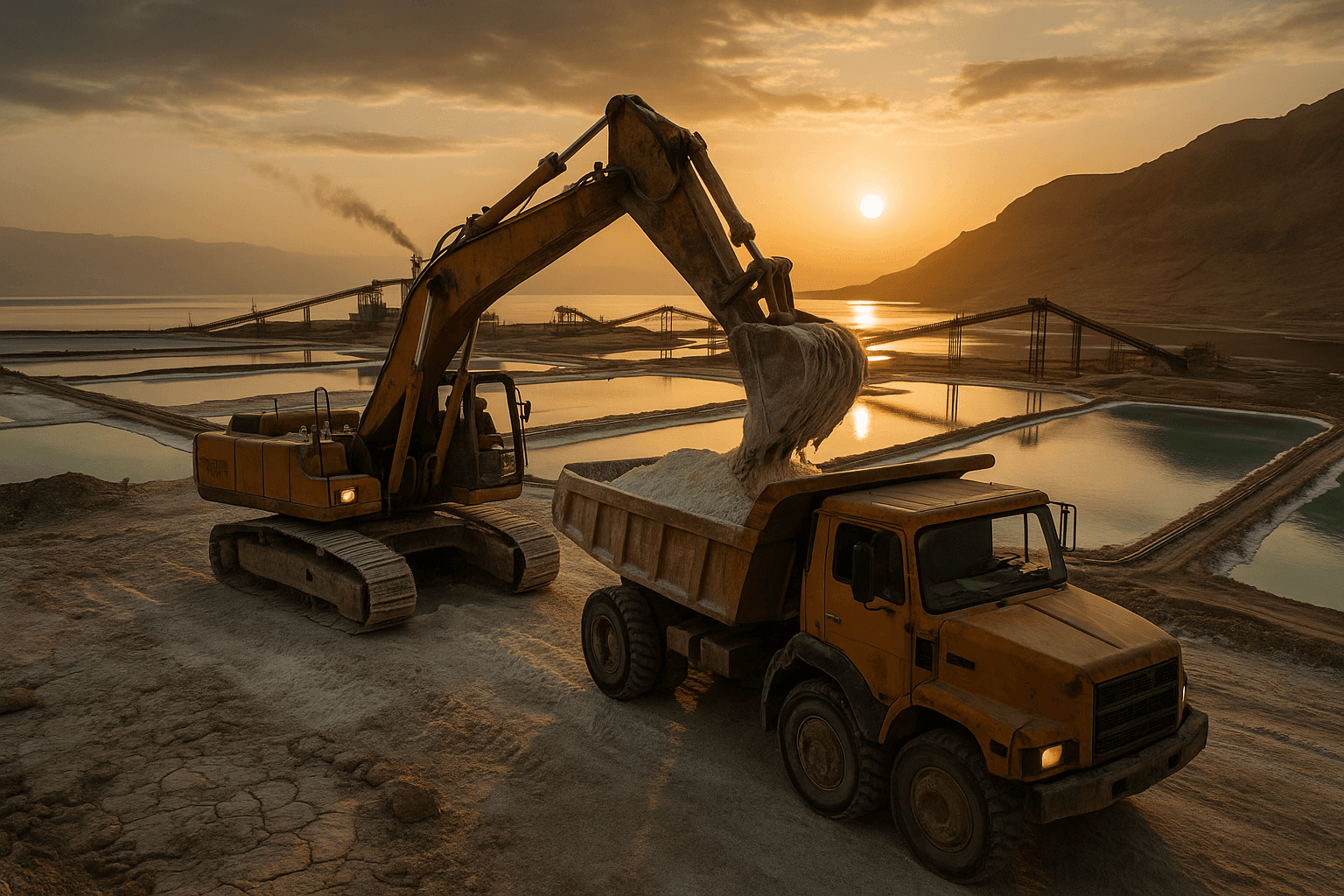
The Dead Sea has long been a source of potash bromine magnesium and other mineral salts that feed global chemical and fertilizer markets. Israel Chemicals Ltd known as ICL has been the primary permit holder for large scale extraction in recent decades. The expiration of the current permit in 2030 creates a narrow window for policymakers to set new terms that will govern one of the region's most sensitive natural and strategic assets.
Environmental stakes are central to the debate. Water levels in the Dead Sea have declined over many decades due to upstream water use and evaporation. The decline has exposed shorelines to sinkholes damaged local infrastructure and threatened tourism and ecological values. Any new concession regime will be judged not only on its fiscal yield but also on its ability to curb practices that accelerate shrinkage and damage adjacent communities.
The proposal arrives at a moment when governments worldwide are reexamining how they share the value of natural resources with investors and citizens. Raising the state share through royalties and other fiscal tools can deliver revenue for public goods but also affects the incentives for private investment. International bidders will assess the attractiveness of the new regime based on tax and royalty levels regulatory certainty and the terms of environmental compliance required by Israeli authorities.
Transboundary considerations add a diplomatic dimension. The Dead Sea borders Jordan and touches Palestinian territories which have their own stakes in the basin's future. Any major shift in Israel's extraction policy will be watched in Amman and Ramallah and could become a subject for regional cooperation or contention depending on how environmental management and water policy are handled.
The draft must still navigate Israel's legislative process and likely consultations with industry environmental groups and local authorities. With the clock running toward 2030 the debate will test the government's ability to balance revenue generation environmental protection and regional sensitivities while designing a concession framework that can attract responsible investment.
This article was produced by Prism’s automated news system from verified source data, official records, and press releases, then run through automated quality and moderation checks before publishing. The system is built and supervised by the people who set the standards it runs under. Read our full AI policy.
Did this article answer your question?

