Israel rejects US-backed Gaza plan as Middle East tensions deepen
Israel rejected Donald Trump’s 15-point Gaza proposal, saying its forces would stay until Hamas disarmed, as mediators faced a tougher road ahead.
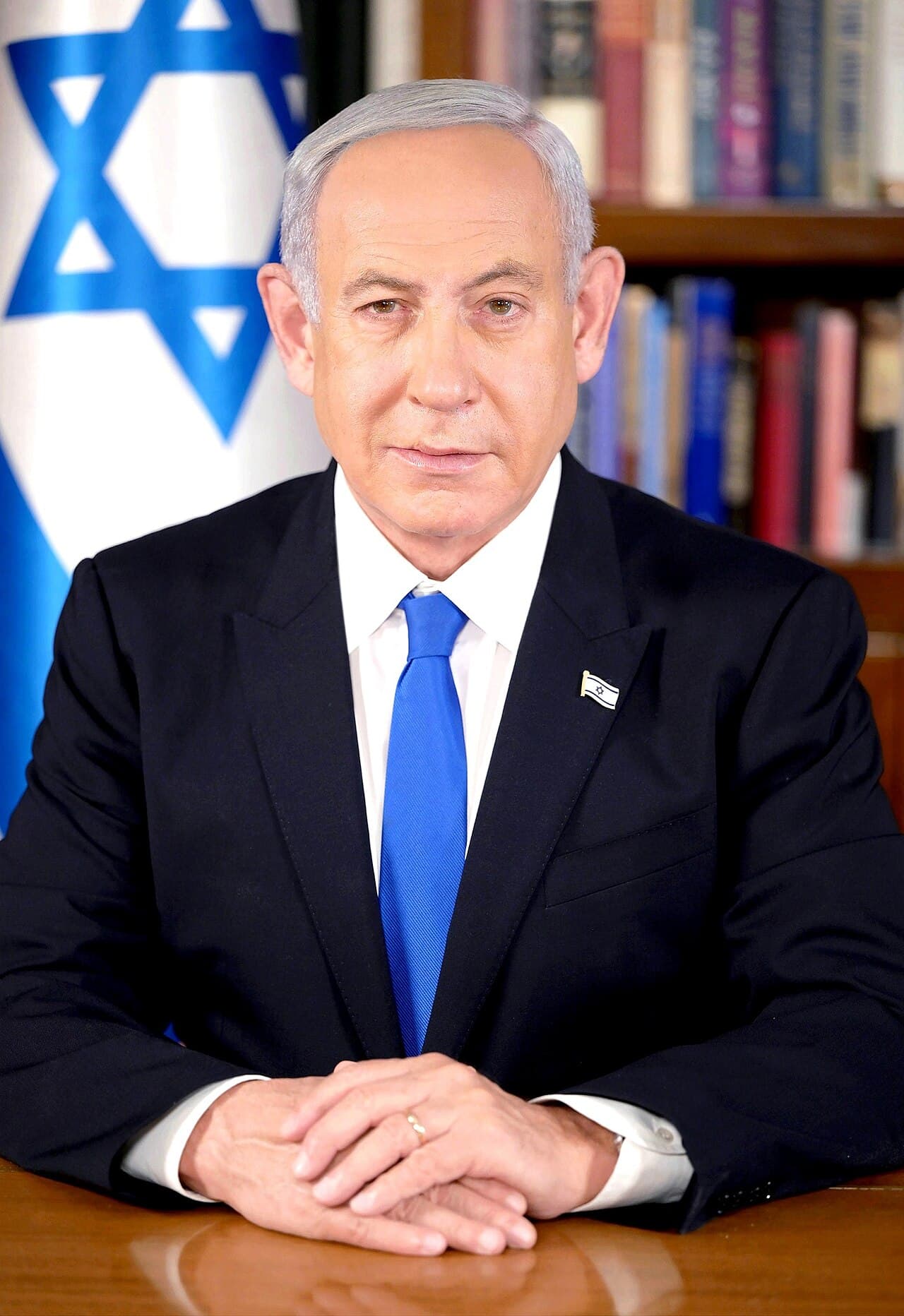
Israel rejected Donald Trump’s 15-point Gaza proposal on August 9, with Prime Minister Benjamin Netanyahu saying Israeli forces would not withdraw until Hamas was fully disarmed. The decision put a new obstacle in front of ceasefire talks, hostage negotiations and the wider US-led effort to shape Gaza’s next phase.
Netanyahu said the plan was unacceptable because Israel would not leave Gaza while Hamas still had weapons. He also said military operations would continue to protect Israeli forces and civilians, while stressing that Hamas must give up all of its arms, including heavy and light weapons. That position cut against the framework Trump had promoted as a path toward ending the fighting.
The proposal itself had been presented as a US-backed Gaza roadmap and, in related reporting, as a 15-point plan tied to a Board of Peace. Trump said just over a week earlier that his Board of Peace had reached a “historic” agreement with Hamas to give up its weapons. A senior Hamas official said the group remained committed to the roadmap, underscoring that the rejection came from Israel, not from every party involved.
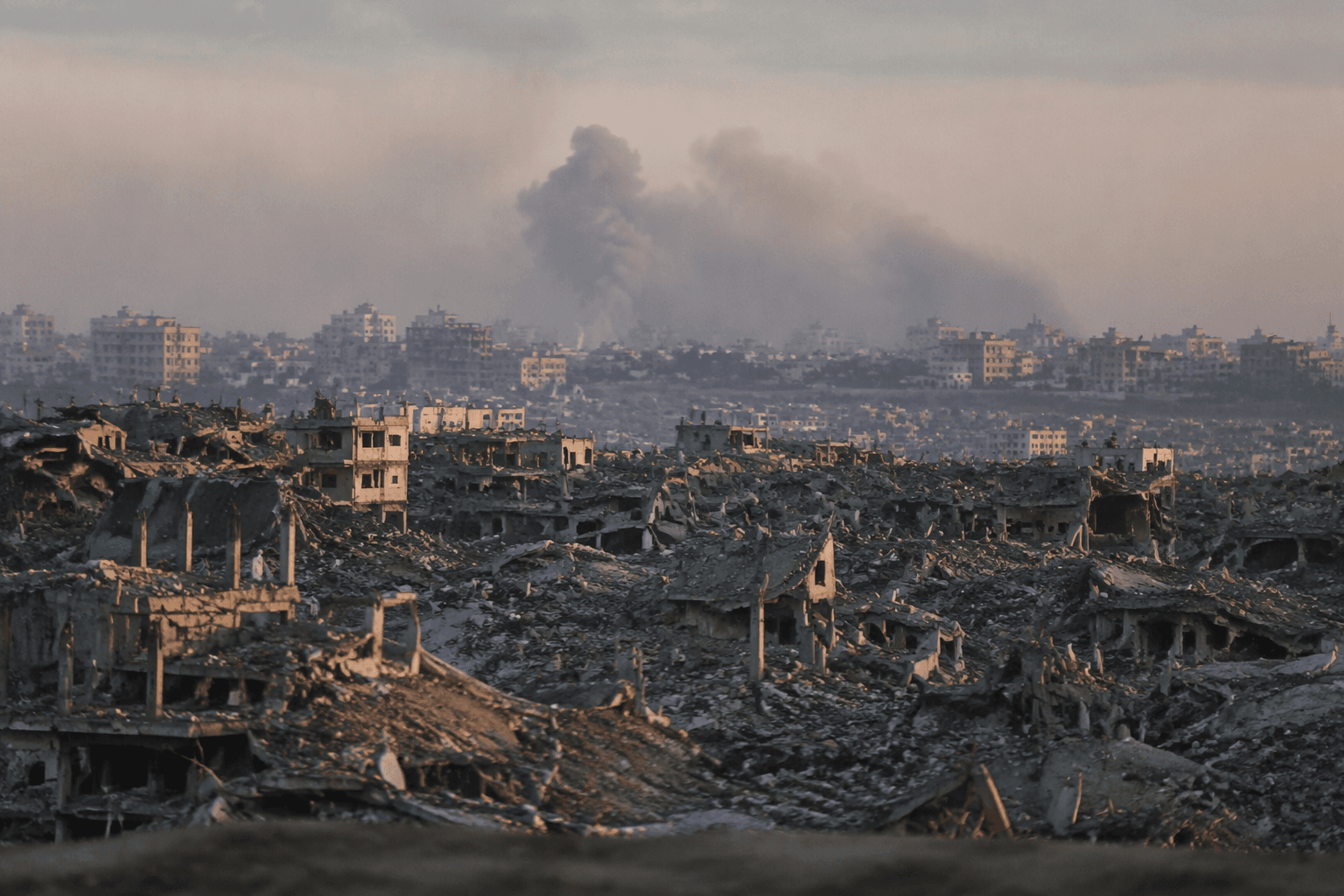
The clash matters because the Gaza file has become intertwined with broader Middle East tensions, from military pressure on the ground to diplomacy in Washington and Jerusalem. AP’s August 9 roundup placed the Gaza rejection alongside other regional developments, reflecting how quickly the conflict continues to spill into wider security and political calculations. For civilian life in Gaza, another stalled framework means more uncertainty over fighting, aid delivery and the possibility of reconstruction.
The latest break also fits a pattern of abrupt shifts in the talks. On October 10, 2025, Israel’s Cabinet approved Trump’s Gaza ceasefire and hostage-release plan, showing that the same channel of diplomacy had once produced a breakthrough before running into new resistance. For now, Netanyahu’s refusal leaves Washington, regional mediators and Hamas facing a narrower path: either revisit the terms of withdrawal and disarmament, or brace for another stretch of deadlock.
This article was produced by Prism’s automated news system from verified source data, official records, and press releases, then run through automated quality and moderation checks before publishing. The system is built and supervised by the people who set the standards it runs under. Read our full AI policy.
Did this article answer your question?