Netanyahu rejects Trump-backed Gaza plan, demands Hamas disarmament first
Netanyahu rejected Trump’s 15-point Gaza plan as unacceptable, insisting Hamas disarm first and exposing the limits of Washington’s leverage over Israel.
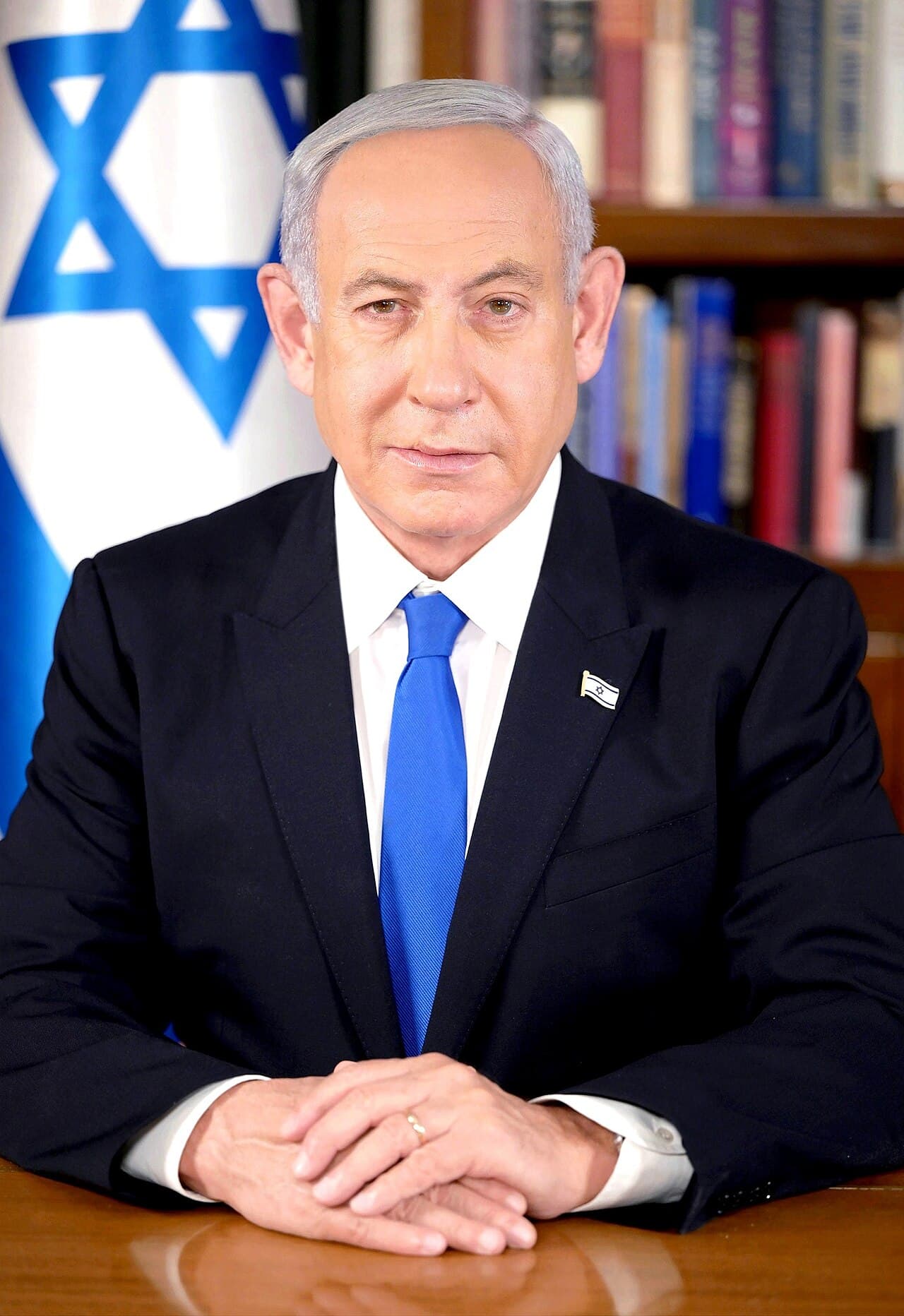
Benjamin Netanyahu called Donald Trump’s new Gaza plan “unacceptable” and rejected the 15-point proposal, saying Hamas must give up all of its weapons before the Israeli Defense Forces withdraw. The rebuke sharpened a public split over the next phase of the war and tested how much leverage Washington can exert over a key ally when Israeli politics and Hamas’s demands pull in opposite directions.
Netanyahu said Hamas had to disarm of all weapons, including heavy and light arms, before any Israeli pullout. That position put him directly against the sequencing embedded in Trump’s diplomacy, which has tied a ceasefire arrangement to an Israeli withdrawal and a Hamas weapons handover under the umbrella of Trump’s Board of Peace.
The clash came just over a week after Trump called the Board of Peace agreement with Hamas a “historic” deal and said the sides had reached an understanding on disarmament. Trump had already said the board had reached an agreement for the “complete disarmament” of Hamas and other armed groups in Gaza, while presenting the plan as a path toward ending the fighting and reshaping Gaza’s future.
The fight over the order of events has become the central obstacle. Israel and Hamas have each insisted the other side must move first, with Israel demanding verifiable disarmament and Hamas pushing for a withdrawal. The Independent said the roadmap was published in full after Hamas said it would disarm, but the competing demands remained unresolved. The Jerusalem Post said verification of disarmament, Israeli withdrawal, Gaza governance and regional tensions were still major hurdles.
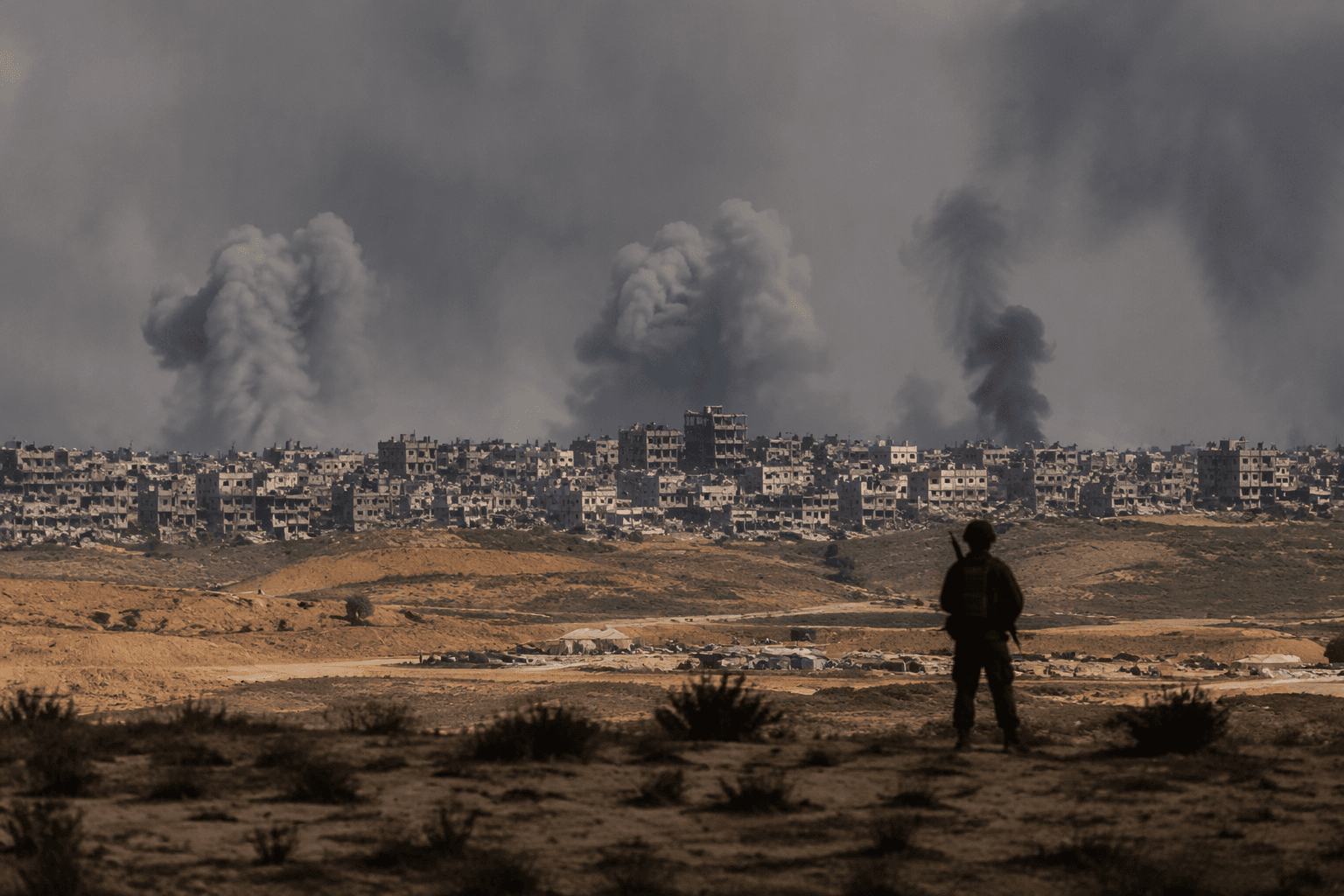
The diplomatic track has already produced mixed signals. Trump said on July 31 that a deal had been reached for Hamas to disarm and Israel to withdraw, while warning that many hurdles and uncertainties remained. Talks in Cairo between mediators and Hamas leaders led to a phased disarmament agreement, but a Hamas official described the deal as only a draft. A senior Hamas official also told the BBC that the group had agreed to the Board of Peace plan.
Netanyahu’s rejection also carried obvious domestic weight. ABC News said he was caught between his hardline coalition and Trump, a political squeeze that helps explain why he chose to challenge a U.S.-backed initiative rather than accept a framework that leaves Israel’s withdrawal tied to Hamas’s compliance. For Washington, the dispute now turns on whether Trump’s plan can still bind both sides long enough to produce a ceasefire, a hostage arrangement and a credible mechanism for enforcement.
This article was produced by Prism’s automated news system from verified source data, official records, and press releases, then run through automated quality and moderation checks before publishing. The system is built and supervised by the people who set the standards it runs under. Read our full AI policy.
Did this article answer your question?