Typhoon Dolphin slams China’s coast after mass evacuations
More than 1 million people were moved as Typhoon Dolphin hit Zhejiang, shuttering ports, flights and ferries in a test of China’s storm-warning system.
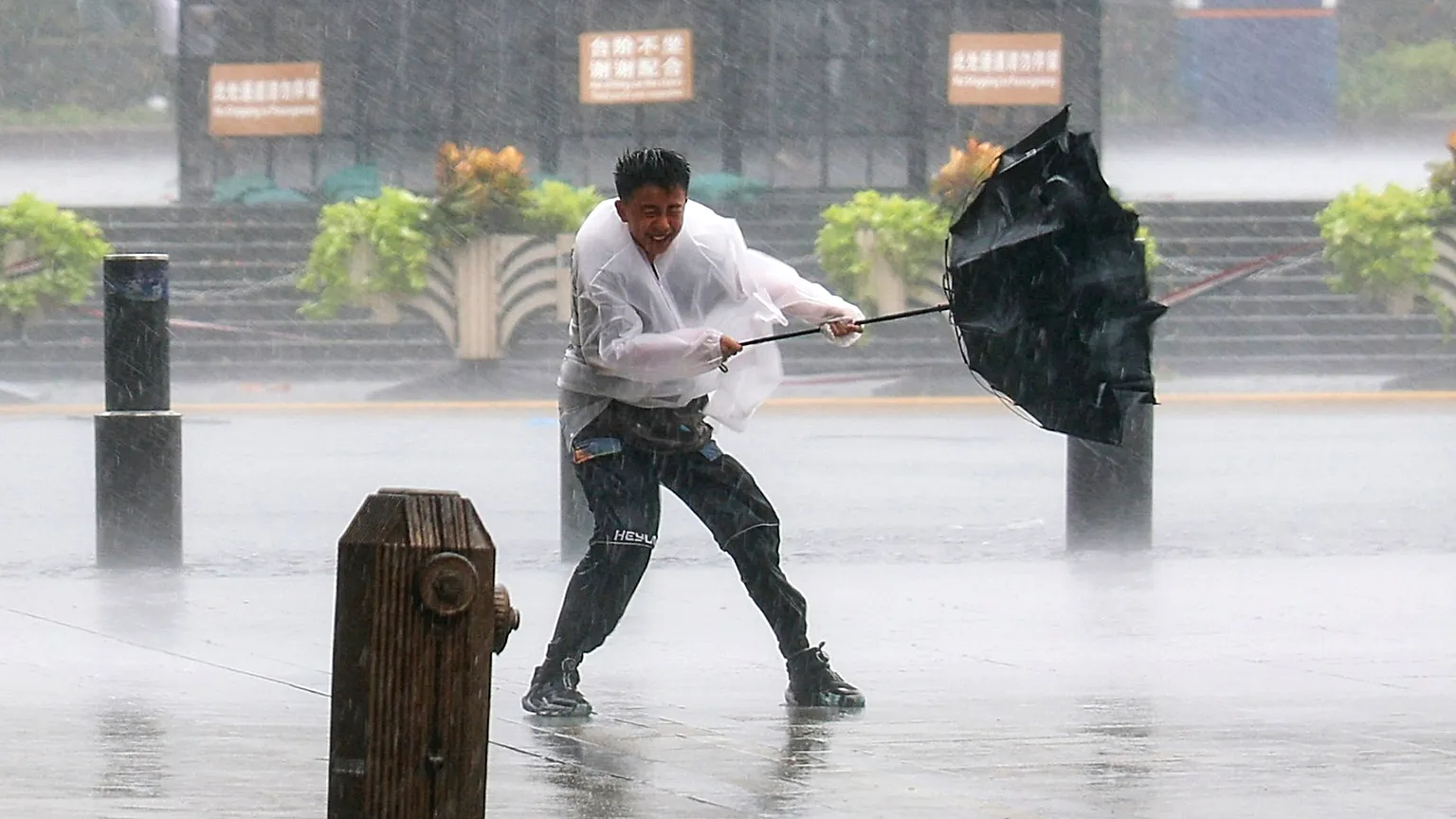
Typhoon Dolphin slammed into China’s eastern coast near Yuhuan, Zhejiang, after authorities evacuated more than 1 million people and raised the country’s typhoon alert to red, the highest level in its warning system. The storm, the most powerful tropical cyclone to strike China so far in 2026, brought torrential rain and strong winds to a coastline that sits at the center of the country’s shipping, factory and transport network.
The landfall turned China’s forecasting and emergency system into a live test of whether early warnings could limit deaths and wider disruption. The National Meteorological Centre upgraded the severe-weather disaster response from Level III to Level II as the storm approached, while flood warnings had already been issued in the days before landfall. Officials also shut ports, suspended ferry services, sheltered fishing fleets and halted offshore construction ahead of the storm, measures aimed at reducing exposure in one of the world’s busiest maritime regions.
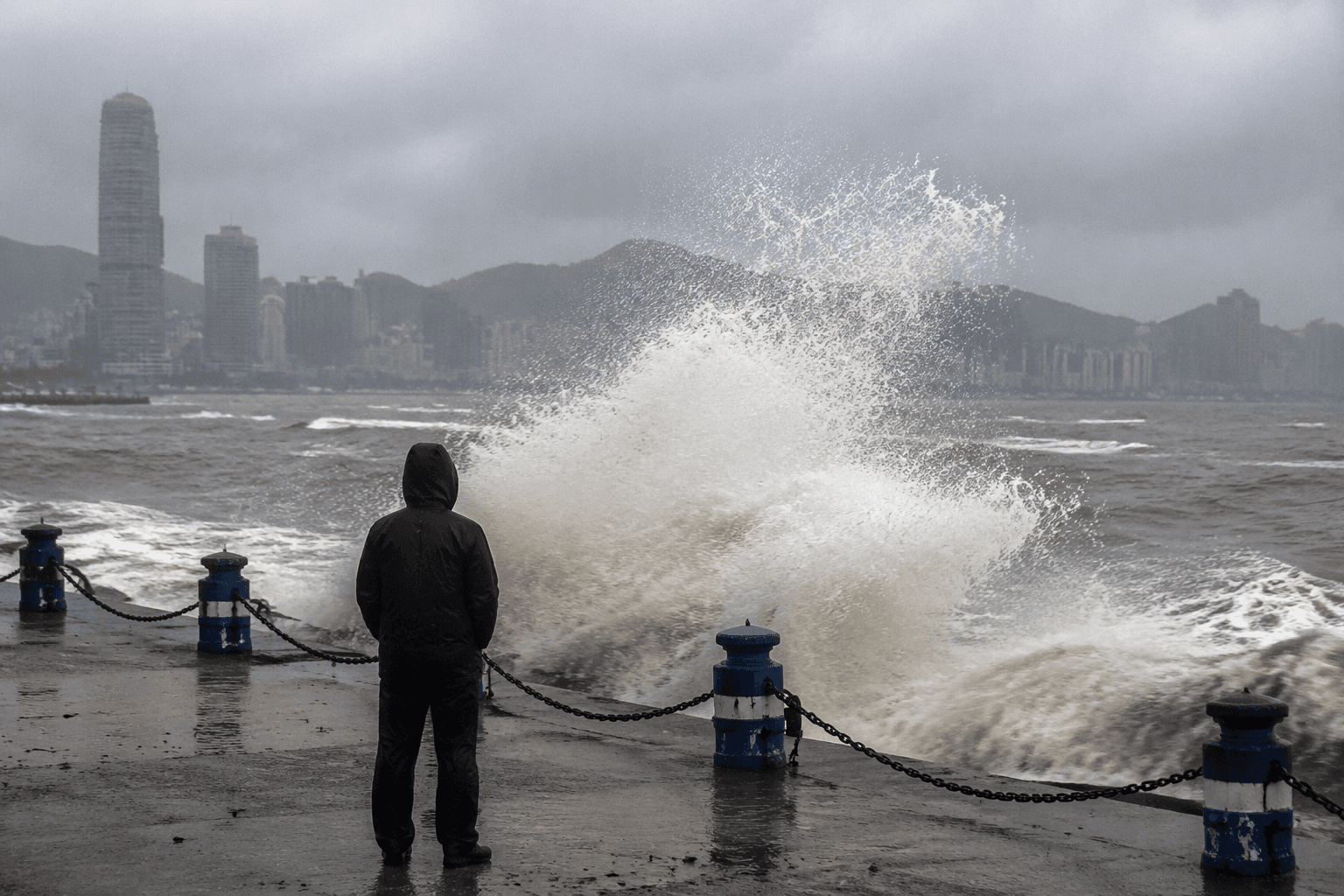
The transport fallout spread quickly through the east coast. More than 1,300 flights were cancelled in some coverage, including disruptions at Shanghai’s Hongqiao International Airport, and the storm threatened to interrupt rail, air and cargo links that feed factories and warehouses across Zhejiang and neighboring provinces. With parts of Zhejiang expected to receive as much as 500 mm of rain, the risk extended beyond immediate flooding to landslides, power cuts and bottlenecks that can ripple through shipping schedules and supply chains well beyond China.
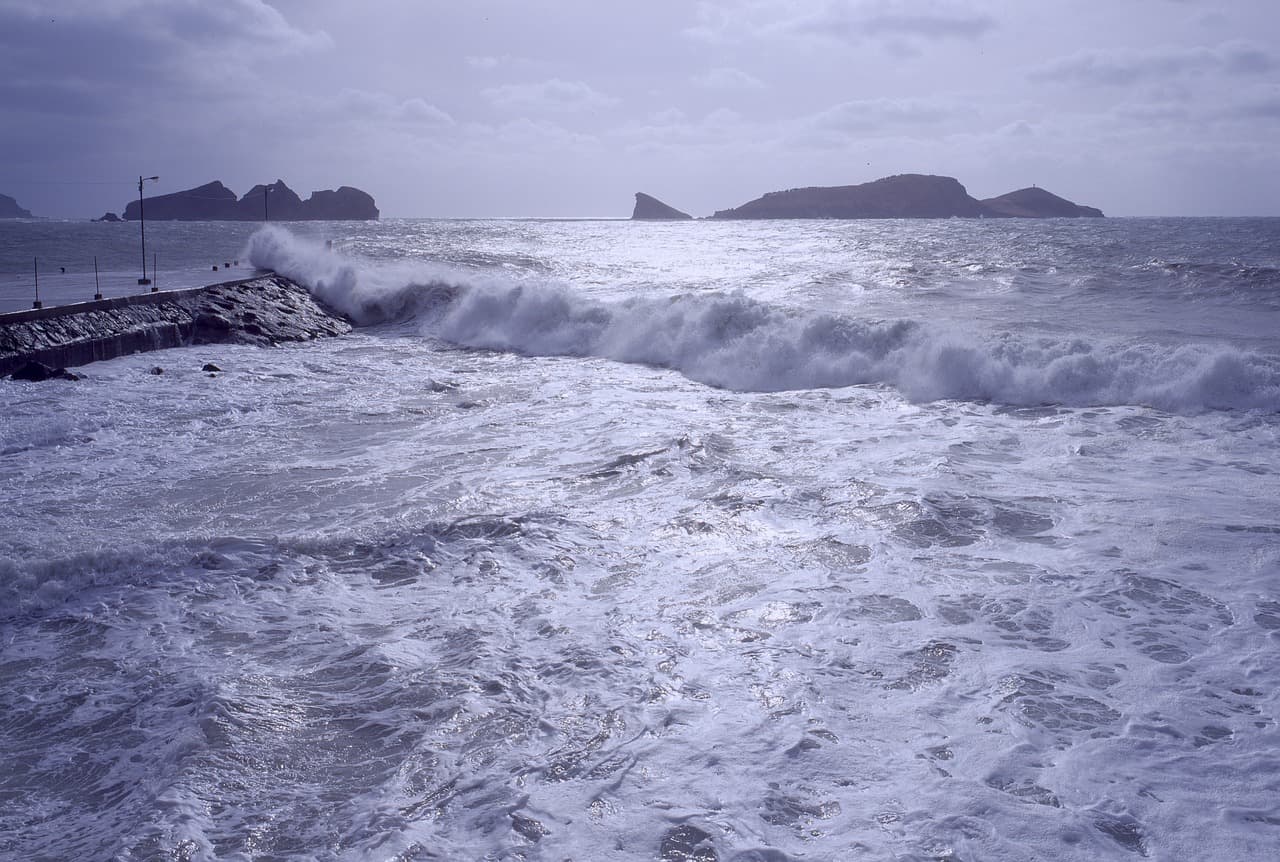
Before reaching the mainland, Dolphin had already moved through Japan’s Okinawa prefecture, where six people were injured and power was cut to more than 50,000 buildings. Japanese authorities ordered evacuations for nearly 26,000 residents in Kagoshima and Okinawa prefectures and cancelled more than 500 flights, underscoring how a single storm can strain emergency systems across multiple jurisdictions. Broadcast summaries said the storm’s sustained winds reached 162 km/h, with gusts above 200 km/h reported in Japan-facing coverage.
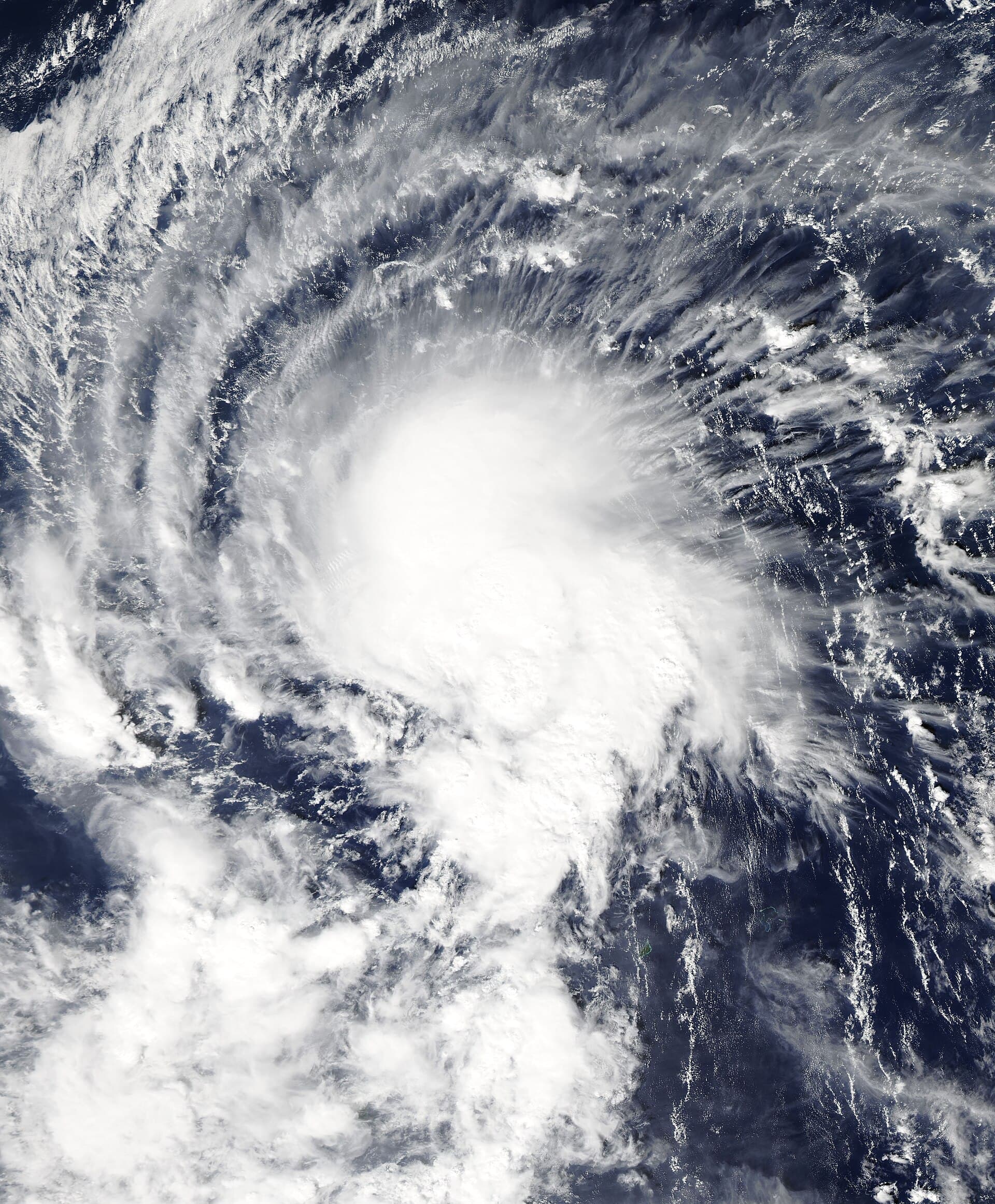
The evacuation scale in China, paired with the shutdown of ports, ferries and airports, showed how much officials feared both human and economic damage from the storm. With China’s coastal manufacturing belt still absorbing the blow, the clearest measure of the response will be whether the warnings and mass movement kept casualties low while preventing a broader logistics shock.
This article was produced by Prism’s automated news system from verified source data, official records, and press releases, then run through automated quality and moderation checks before publishing. The system is built and supervised by the people who set the standards it runs under. Read our full AI policy.
Did this article answer your question?