Israel Says Lebanon Not Covered by US-Brokered Iran Ceasefire
Lebanese civilians believed a US-brokered ceasefire shielded them—hours later, 254 were dead as Israel launched its largest strikes yet, insisting Lebanon was never part of the deal.
The announcement came in the early hours of April 8, and it carried the unmistakable language of relief. Pakistani Prime Minister Shehbaz Sharif, whose government had mediated the two-week ceasefire between Washington and Tehran, declared publicly that the agreement covered Lebanon. Lebanese President Joseph Aoun welcomed the truce and praised the efforts of Pakistan, Egypt, and Turkey, expressing hope it marked a first step toward a comprehensive deal. French President Emmanuel Macron said Lebanon was fully included. Iran said the same.
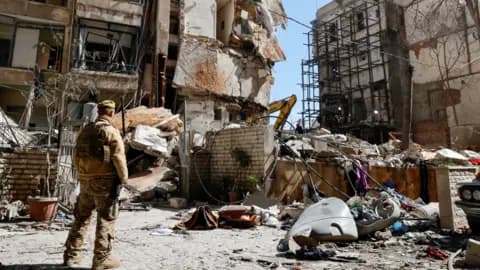
Within hours, 50 Israeli Air Force jets were airborne, carrying roughly 160 munitions. In under ten minutes, Israel struck more than 100 sites it identified as Hezbollah command centers and military positions across Lebanon. Central Beirut was hit without warning. At least five neighborhoods in the city's central and coastal areas were struck simultaneously. Residential buildings, mosques, medical centers, vehicles, and cemeteries were among the sites hit. Lebanese civil defense reported at least 254 dead and more than 1,160 injured, a casualty count among the highest single-day tolls of the conflict. Lebanon's Health Minister Rakan Nassereddine described the scale as overwhelming: "The needs are increasing, but the scale of the assault is also huge."
Israel had never agreed Lebanon was covered. Prime Minister Benjamin Netanyahu's office had signaled as much before the strikes, and Netanyahu made it explicit: the ceasefire, he said, "does not" apply to Lebanon. Israel's Defense Minister Israel Katz reinforced the position, saying his government was committed to separating the Iranian conflict from the war against Hezbollah in Lebanon. Trump, speaking to PBS NewsHour, called Lebanon a "separate skirmish" and confirmed it was not part of the Iran deal.
That definitional gap, between what Pakistani mediators declared and what Israel and the United States actually agreed to, is precisely what made the civilian death toll so severe. Lebanese communities had been told by multiple authoritative voices, including their own president and a mediating head of government, that the shooting would stop. Israel's military, meanwhile, had already issued forced displacement orders for an area extending more than 40 kilometers from the Lebanese border that same morning, warning that "the battle in Lebanon is ongoing."
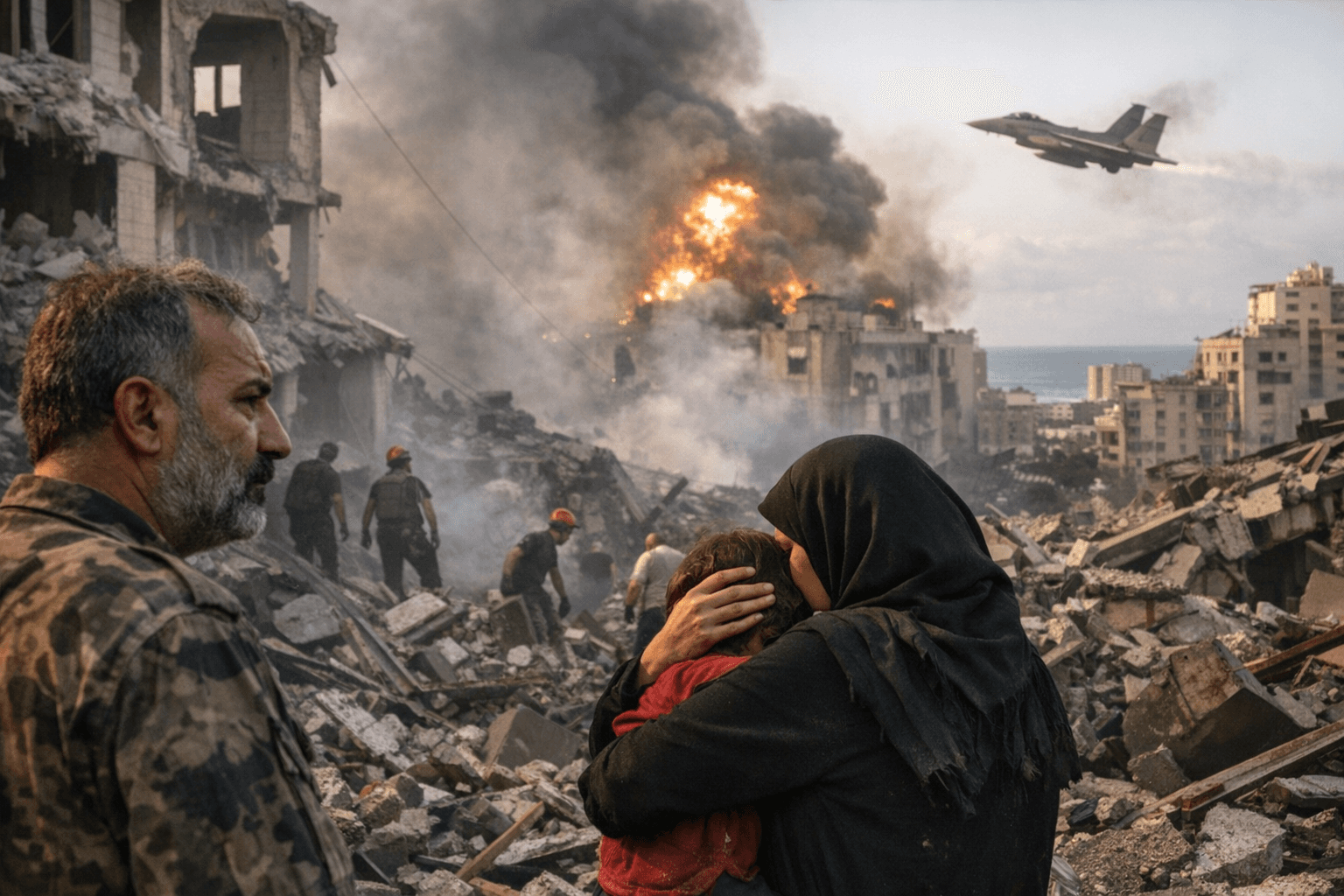
Parliament Speaker Nabih Berri called the strikes a "full-fledged war crime." Lebanon's Minister of Social Affairs Haneed Sayed, who said she had driven past the struck neighborhoods minutes before the attacks, described it as a "very dangerous turning point," noting that half of Lebanon's internally displaced population was sheltering in Beirut in precisely the areas that were hit.
Iran's response shook the broader ceasefire structure. Tehran's IRGC announced it had halted shipping coordination through the Strait of Hormuz following Israel's Lebanon strikes, calling them a ceasefire violation. Iran's parliament speaker and lead negotiator Mohammed Bager Qalibaf accused the United States of breaking the agreement by continuing to demand Iran abandon its nuclear program. Hezbollah, which had announced it was halting its own attacks on Israel following the truce declaration, resumed rocket fire into northern Israel citing the same violations.
The episode exposed how ceasefires fracture not only through bad faith but through deliberate ambiguity in their construction. When the Islamabad Accords were announced, no binding text was made public that defined the geographic scope of the agreement. Pakistan said one thing, Israel said another, and Lebanese civilians bore the cost of that unresolved contradiction. Trump said US forces would remain "in place" until a full agreement is reached, but with Hezbollah re-engaged, Iran threatening to close the strait, and the death toll in Beirut still rising, the next round of diplomacy will have to grapple with a fundamental question that this one left unanswered: which fronts are actually covered.
This article was produced by Prism’s automated news system from verified source data, official records, and press releases, then run through automated quality and moderation checks before publishing. The system is built and supervised by the people who set the standards it runs under. Read our full AI policy.
Did this article answer your question?