Israel signals readiness to strike Iran again as Oman talks begin
Abbas Araghchi arrived in Muscat as Israel’s defense minister vowed to hit Iran again “with even greater force,” sharpening the split between talks and force.
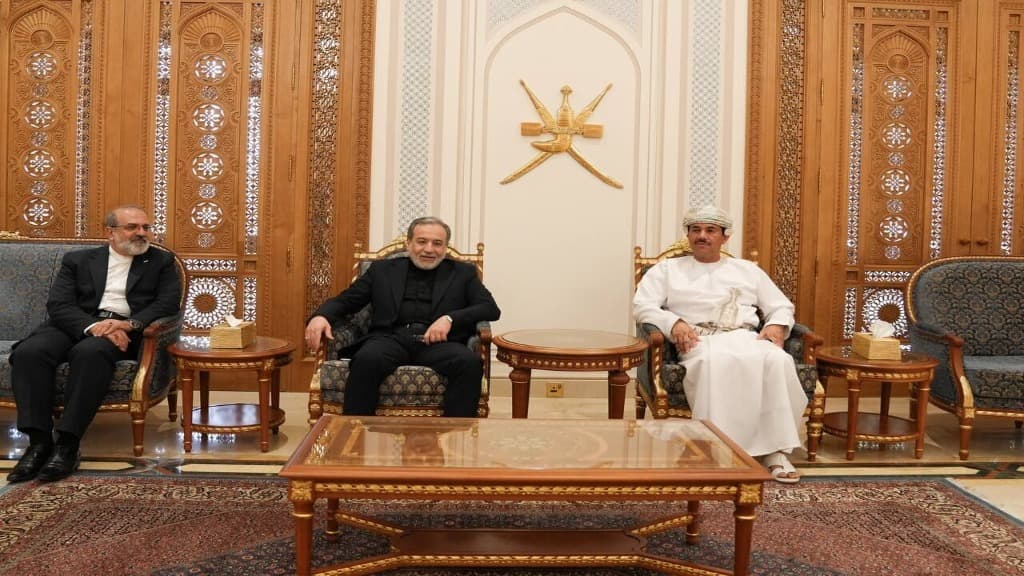
Iranian Foreign Minister Abbas Araghchi arrived in Oman on Saturday for talks on keeping ships moving safely through the Strait of Hormuz, even as Israel’s defense minister said the military campaign against Iran could resume and would do so “with even greater force.”
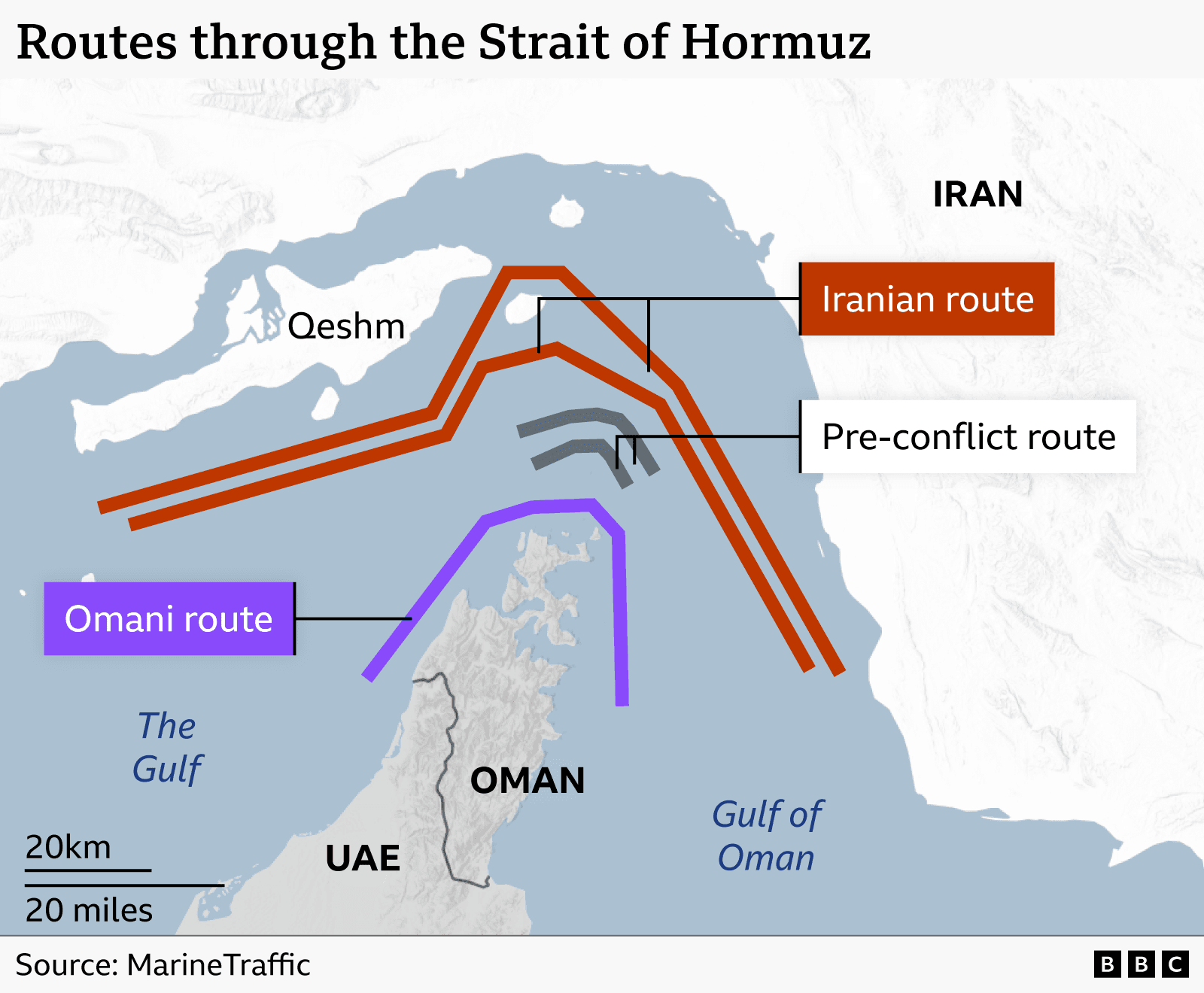
Washington wanted a public Iranian pledge to keep the Strait of Hormuz open and allow free, secure transit through the narrow waterway, one of the most important shipping chokepoints in the world. The Oman meetings were built around that issue, with the route’s security now central to oil traffic and regional trade after renewed attacks across the Gulf.
The diplomatic opening came after a week of sharper military signaling. On July 9, Israel Katz said Israel was prepared to resume its campaign against Iran if needed. By July 10, President Donald Trump said Iran had asked to continue talks and that the United States had agreed, while also declaring the June ceasefire “over.” The message from Washington was that negotiations were still possible, even as the battlefield pressure remained in place.
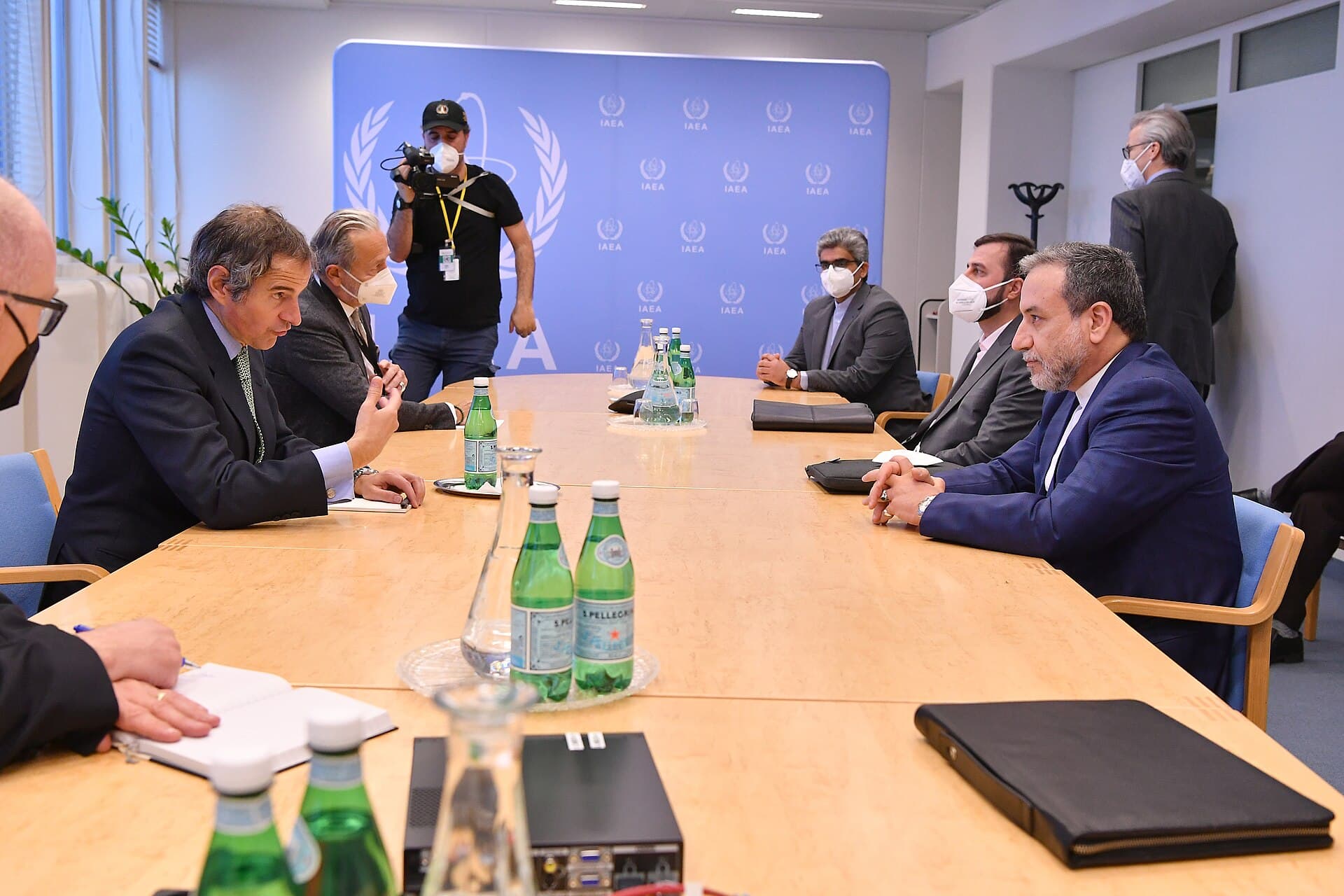
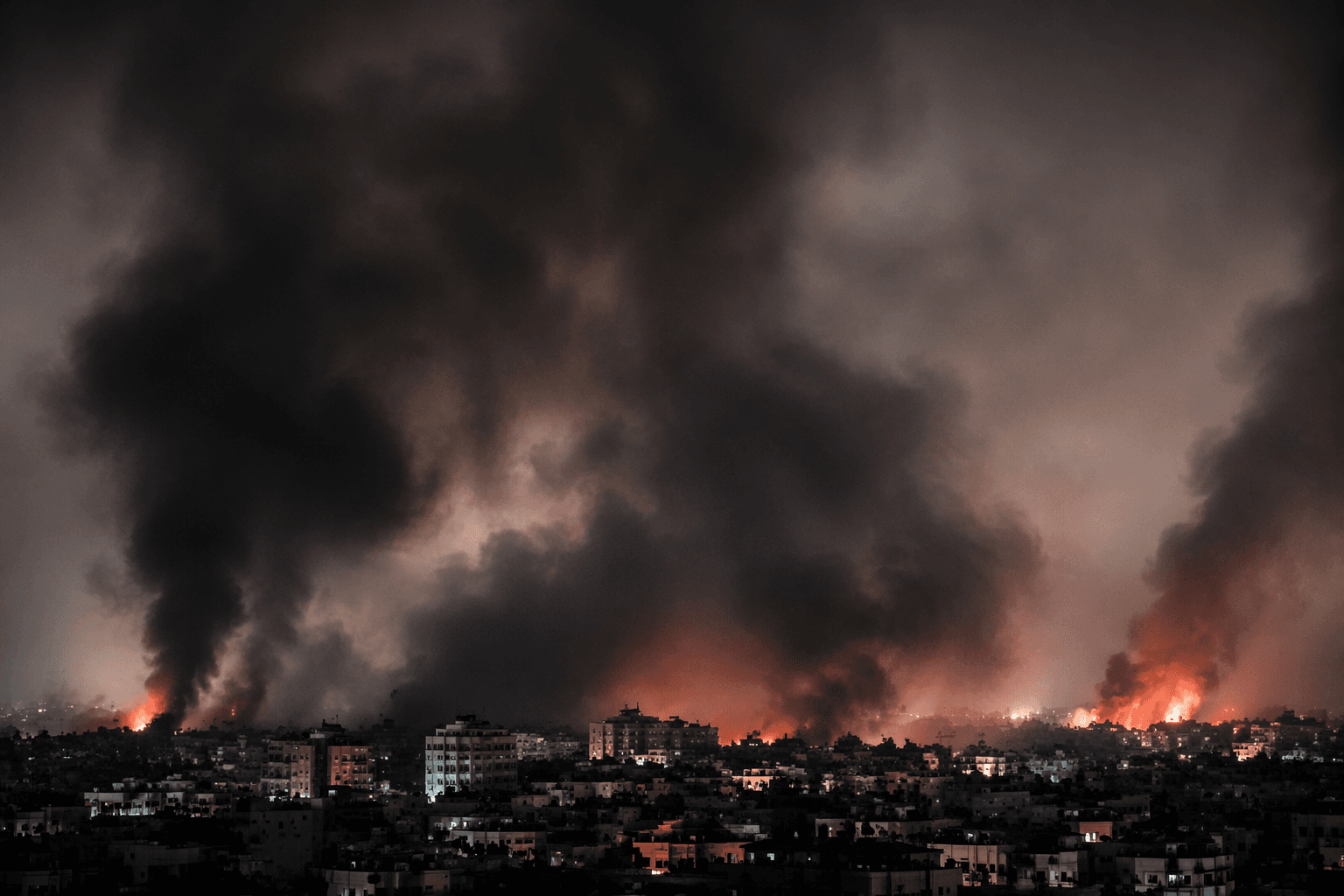
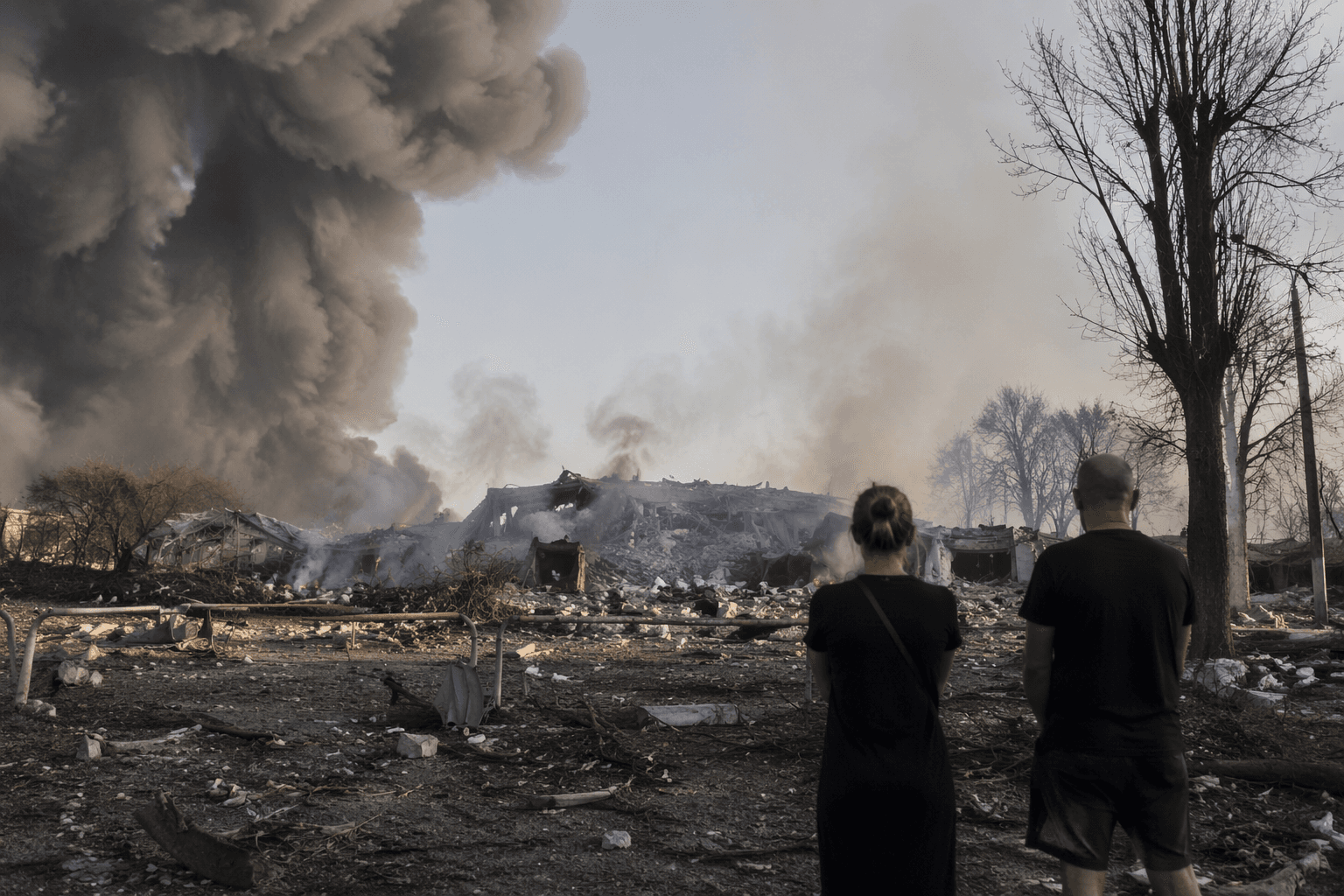
Israeli officials have been divided over resuming strikes on Iran, while others in Washington favored continuing talks. The current crisis follows earlier Israeli and U.S. strikes on Iran’s nuclear facilities in 2025, then further military exchanges in 2026.
Oman has again become the channel for that effort. Araghchi’s arrival in Muscat kept the indirect diplomacy moving through regional intermediaries.
This article was produced by Prism’s automated news system from verified source data, official records, and press releases, then run through automated quality and moderation checks before publishing. The system is built and supervised by the people who set the standards it runs under. Read our full AI policy.
Did this article answer your question?