US-Iran talks race to avert Strait of Hormuz closure
Oman pushed two routing options through Hormuz as Washington and Tehran tried to keep a closure from jolting oil markets and global shipping.
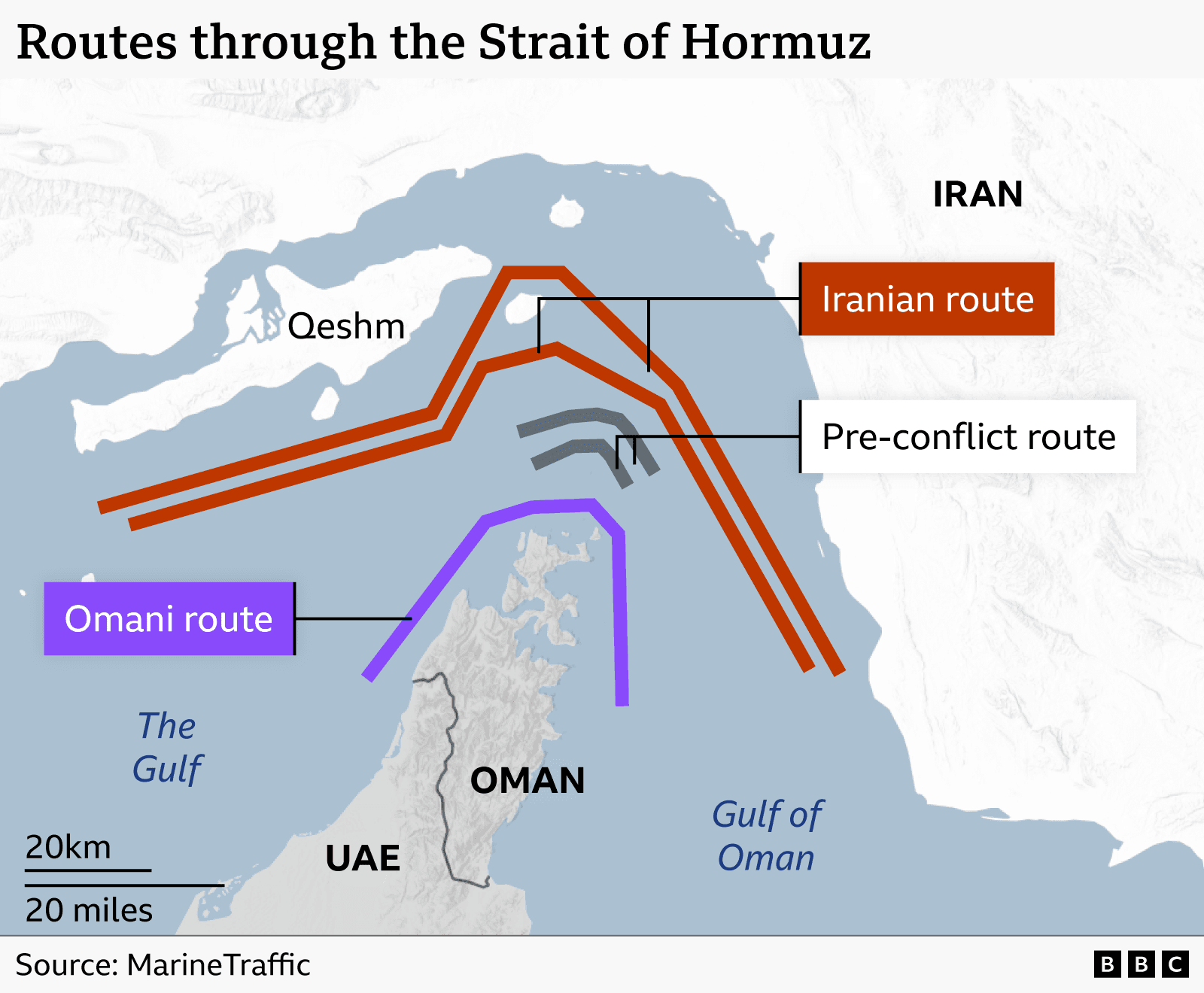
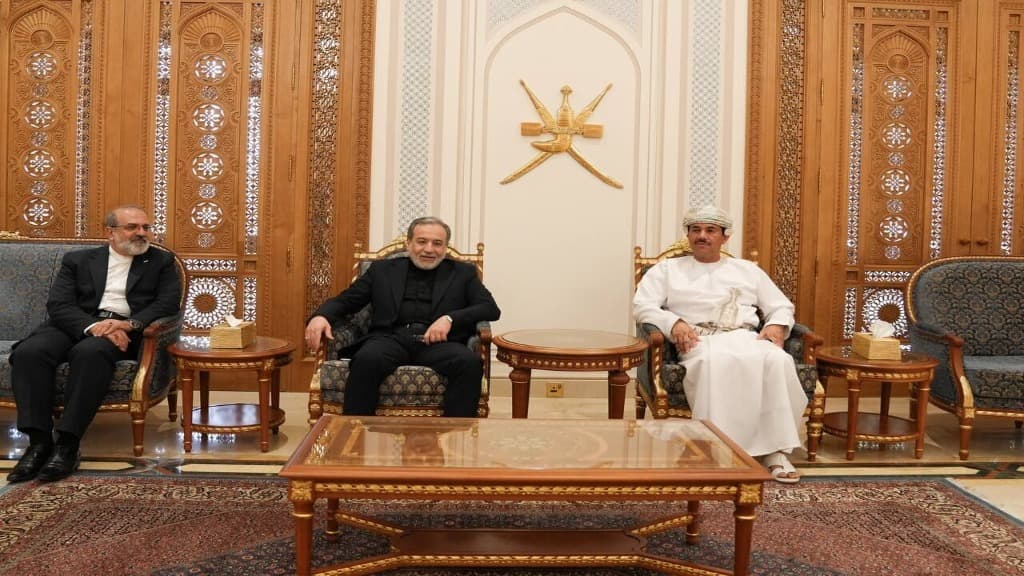
Oman has proposed two separate routes through the Strait of Hormuz as talks in Muscat intensify over how to keep the waterway open and avoid a wider clash with immediate consequences for oil prices and global shipping. The dispute has hardened around transit fees and shipping lanes, turning one of the world’s tightest maritime chokepoints into a live test of diplomacy.
The stakes are immense. The U.S. Energy Information Administration says about 20.9 million barrels per day of oil moved through the strait in the first half of 2025, equal to roughly one-fifth of global petroleum liquids consumption and about one-quarter of all maritime traded oil. In 2024, about 20% of global liquefied natural gas trade also passed through Hormuz, mainly from Qatar. The agency has said there are very few alternative routes if the strait is closed, which is why any disruption would be felt far beyond the Persian Gulf.
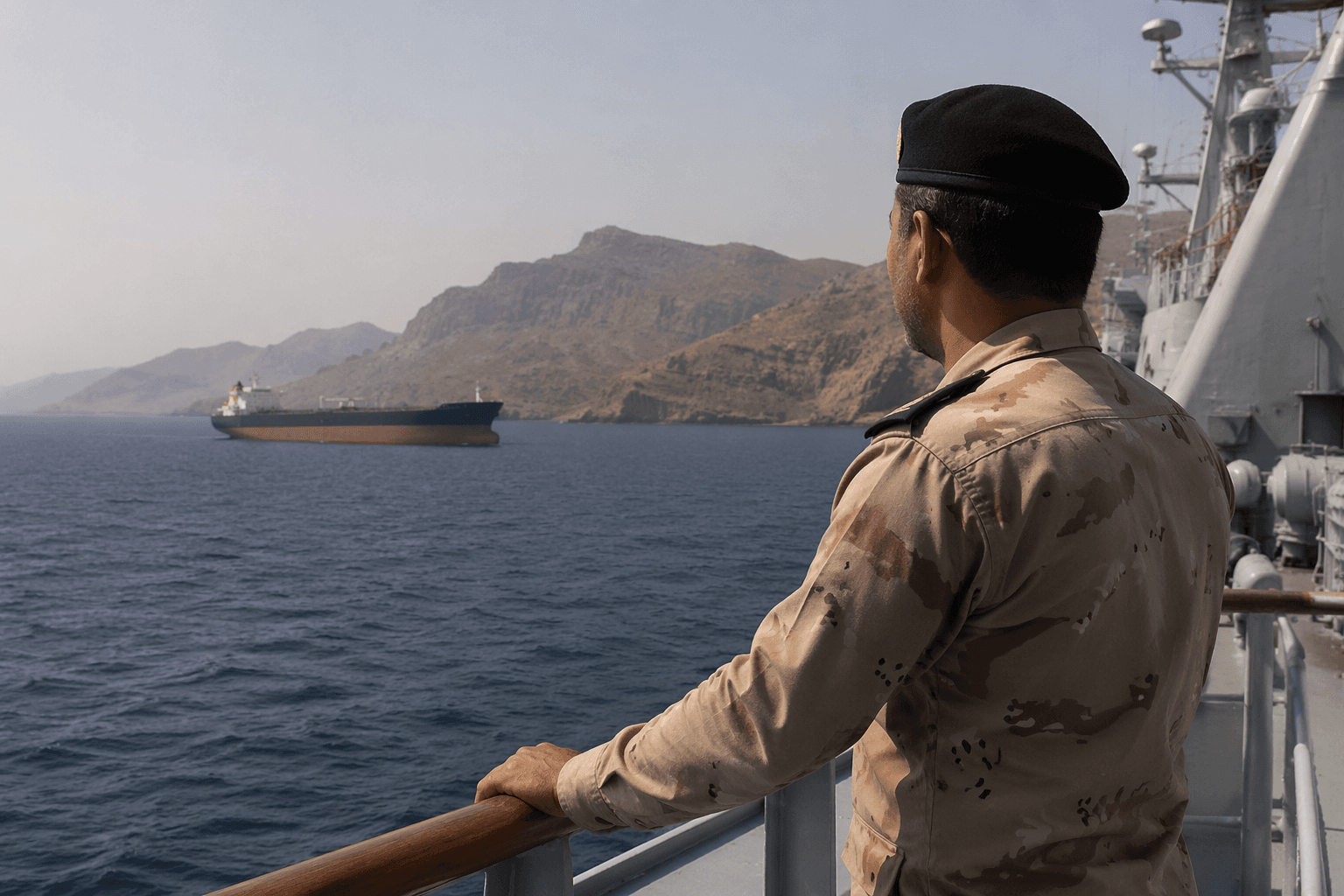
The International Maritime Organization said it is monitoring the rapidly evolving situation in the Middle East and warned that more than 20,000 seafarers are in the region, including some stranded on vessels unable to exit the Strait of Hormuz. Arsenio Dominguez, the IMO secretary-general, said, "No attack on innocent seafarers or civilian shipping is ever justified." The organization has also condemned attacks on civilian shipping and published an evacuation plan for the strait as the crisis worsens.
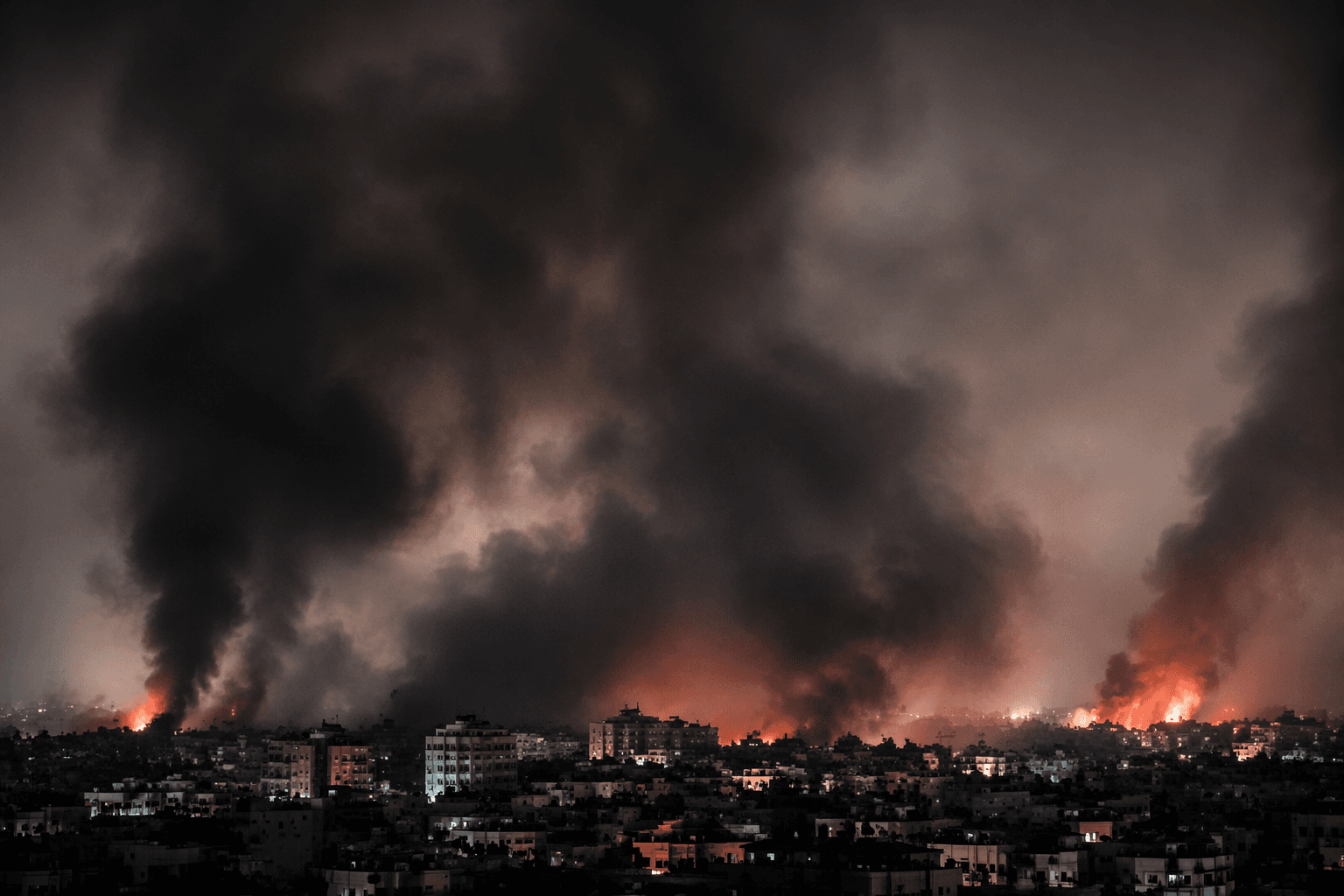
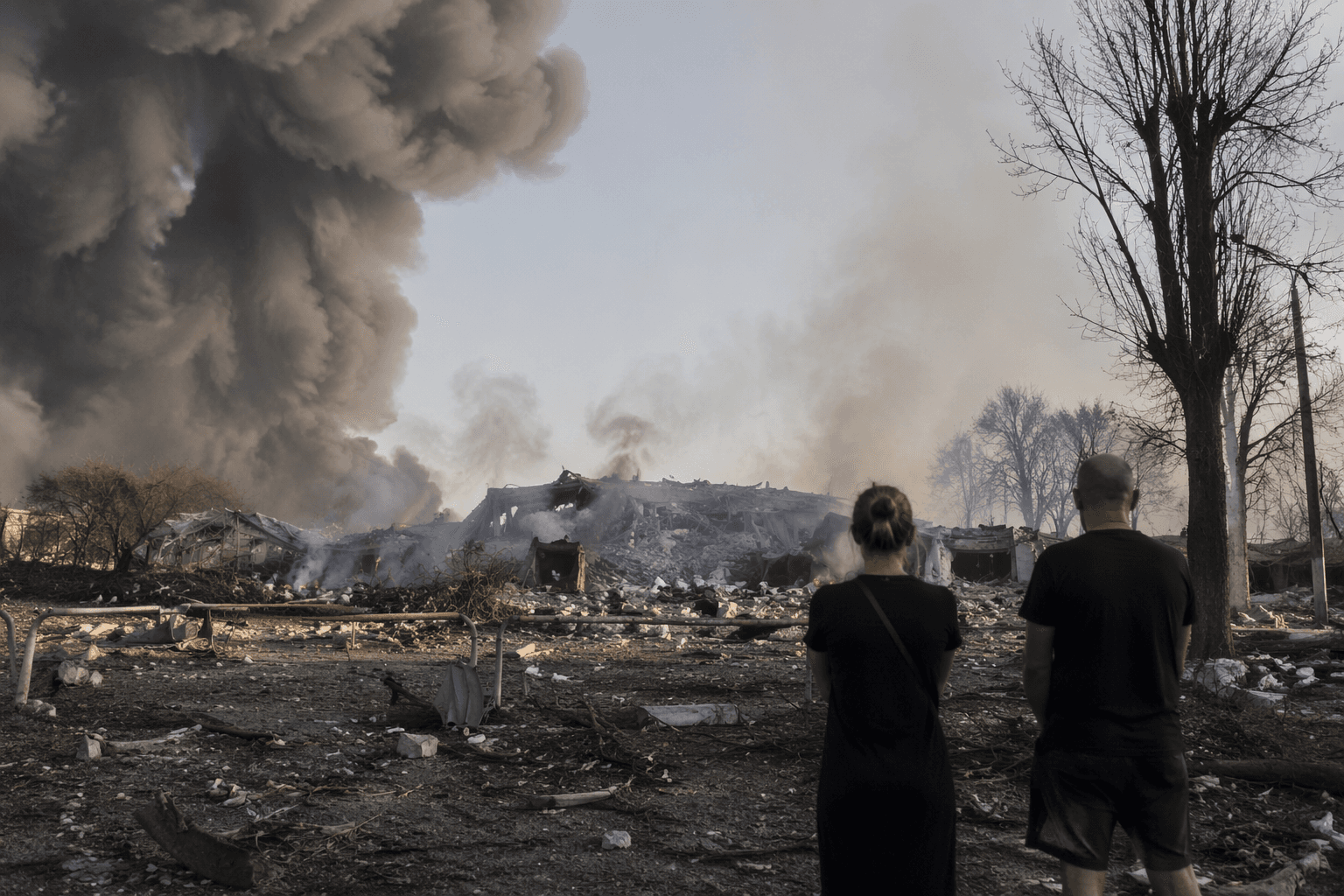
The pressure has been compounded by military moves and back-channel diplomacy. CNN reported that U.S. strikes were launched to further degrade Iran’s ability to threaten freedom of navigation in the Strait of Hormuz. At the same time, CBS News reported that Iranian officials privately told Trump advisers they had "made a mistake" in shooting at commercial ships and wanted to keep talking. A U.S. official said the ceasefire arrangement is being treated as performance-based and that technical talks continue.
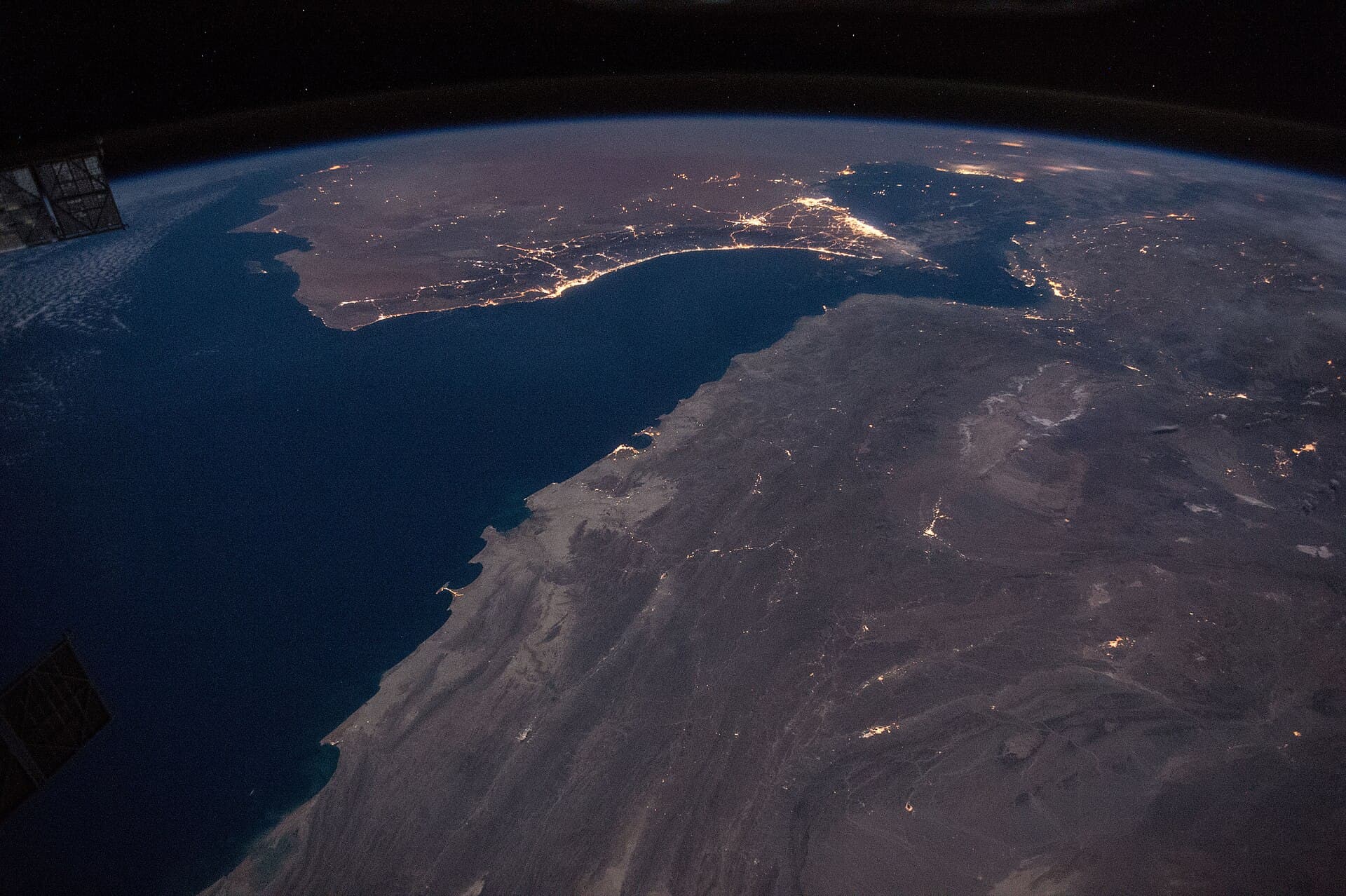
That leaves Oman in the middle, trying to translate emergency diplomacy into a workable transit formula before the standoff spills into the wider energy market. Al Jazeera reported that disagreements over shipping routes and transit fees are complicating efforts to reach a permanent agreement, underscoring how quickly a regional maritime dispute can become a global economic threat.
This article was produced by Prism’s automated news system from verified source data, official records, and press releases, then run through automated quality and moderation checks before publishing. The system is built and supervised by the people who set the standards it runs under. Read our full AI policy.
Did this article answer your question?