Israel strike on Beirut suburbs triggers Iranian missile retaliation
A strike on Beirut’s Dahiyeh killed at least two people and drew an Iranian missile barrage, the first since April’s fragile cease-fire.

Israel’s strike on Beirut’s southern suburbs sent the region into a new round of escalation, killing at least two people and wounding 11 in Dahiyeh, a densely populated neighborhood long seen as a flashpoint between Israel and Hezbollah. Lebanese state media said the attack hit two apartments in two buildings, underscoring how quickly the conflict had spread into civilian streets and apartment blocks.
The strike triggered an immediate political response from Iran’s hard line. Ebrahim Rezaei, the spokesman for parliament’s national security committee, warned on X that Iran would deliver a “decisive and painful response.” There was no immediate formal response from Tehran, but the message from an influential lawmaker signaled that the Beirut attack was being treated in Iran as more than a local strike on Hezbollah-linked territory.
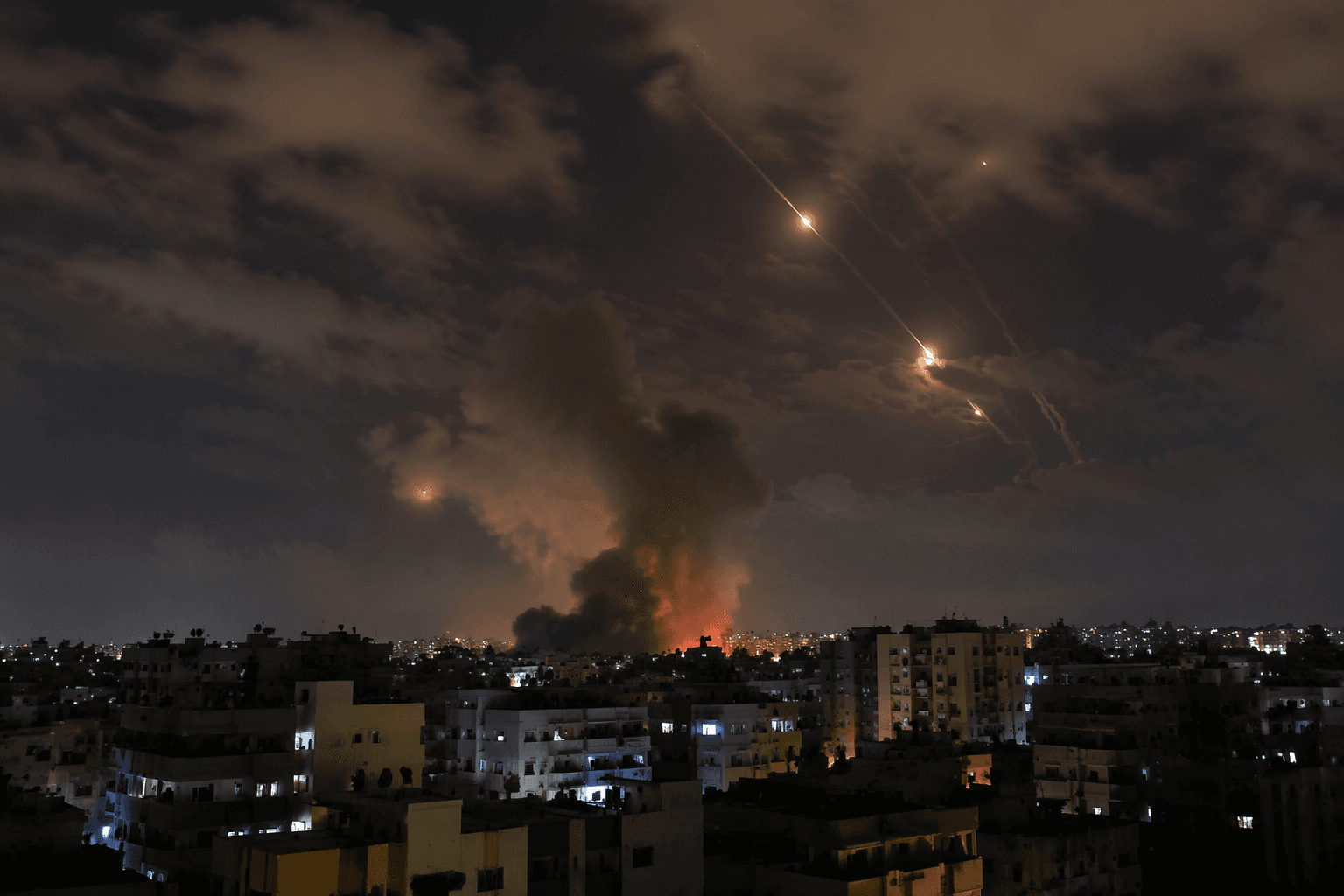
Israel later said Iran launched missiles at it in retaliation for the Beirut strike, marking the first such bombardment since a fragile cease-fire took effect in early April 2026. The Israel Defense Forces said it was detecting missiles fired from Iran and that defensive systems were operating to intercept them. Sirens sounded in several areas as the barrage unfolded, and Israeli officials said additional waves of missiles could follow.
The exchange carried immediate consequences for the truce that had been trying to restrain fighting between Israel and Iran-aligned Hezbollah in Lebanon. Reuters-based reporting said the cease-fire framework had only recently been renewed in talks involving Washington, even as Israel continued striking southern Lebanon despite the truce. The latest attack and retaliation now threaten to unravel those efforts, raising the risk of a broader confrontation that could pull in Lebanon, Israel and Iran more deeply.
For civilians in Beirut’s southern suburbs, the damage was immediate and personal. For diplomats, the sequence was just as stark: a strike on a crowded neighborhood, an Iranian threat of revenge, and then missiles fired at Israel before the day was over. The question now is whether any credible off-ramp still exists before the escalation widens further.
This article was produced by Prism’s automated news system from verified source data, official records, and press releases, then run through automated quality and moderation checks before publishing. The system is built and supervised by the people who set the standards it runs under. Read our full AI policy.
Know something we missed? Have a correction or additional information?
Submit a Tip