Israel strikes Beirut suburbs after Hezbollah drone attack
Israel hit Beirut’s Dahiyeh after Hezbollah drones and projectiles crossed the border, reviving fears of a wider war and dragging Lebanon deeper into the fight.

The strike on Beirut’s southern suburbs widened the war’s map again, hitting Dahiyeh, a Hezbollah stronghold that Israel had largely kept under restraint after the ceasefire announced by the United States on April 16. The Israeli military said it struck Hezbollah infrastructure after intercepting two projectiles fired from Lebanon, and Prime Minister Benjamin Netanyahu’s office said the attack followed Hezbollah’s drone strike on Israel’s military. Lebanese state media reported two people killed and 11 wounded.
The location mattered as much as the blast itself. Dahiyeh is not just another neighborhood on the edge of the Lebanese capital; it is one of Hezbollah’s most important political and military centers, a district where the group’s command, logistics and influence are deeply rooted. Israel said last week it would hit Beirut’s southern suburbs if Hezbollah fired toward northern Israel, and Saturday’s attack made clear that the threat was no longer theoretical. The Israeli military said the targets were Hezbollah infrastructure, while Netanyahu’s office described them as “command centers.”
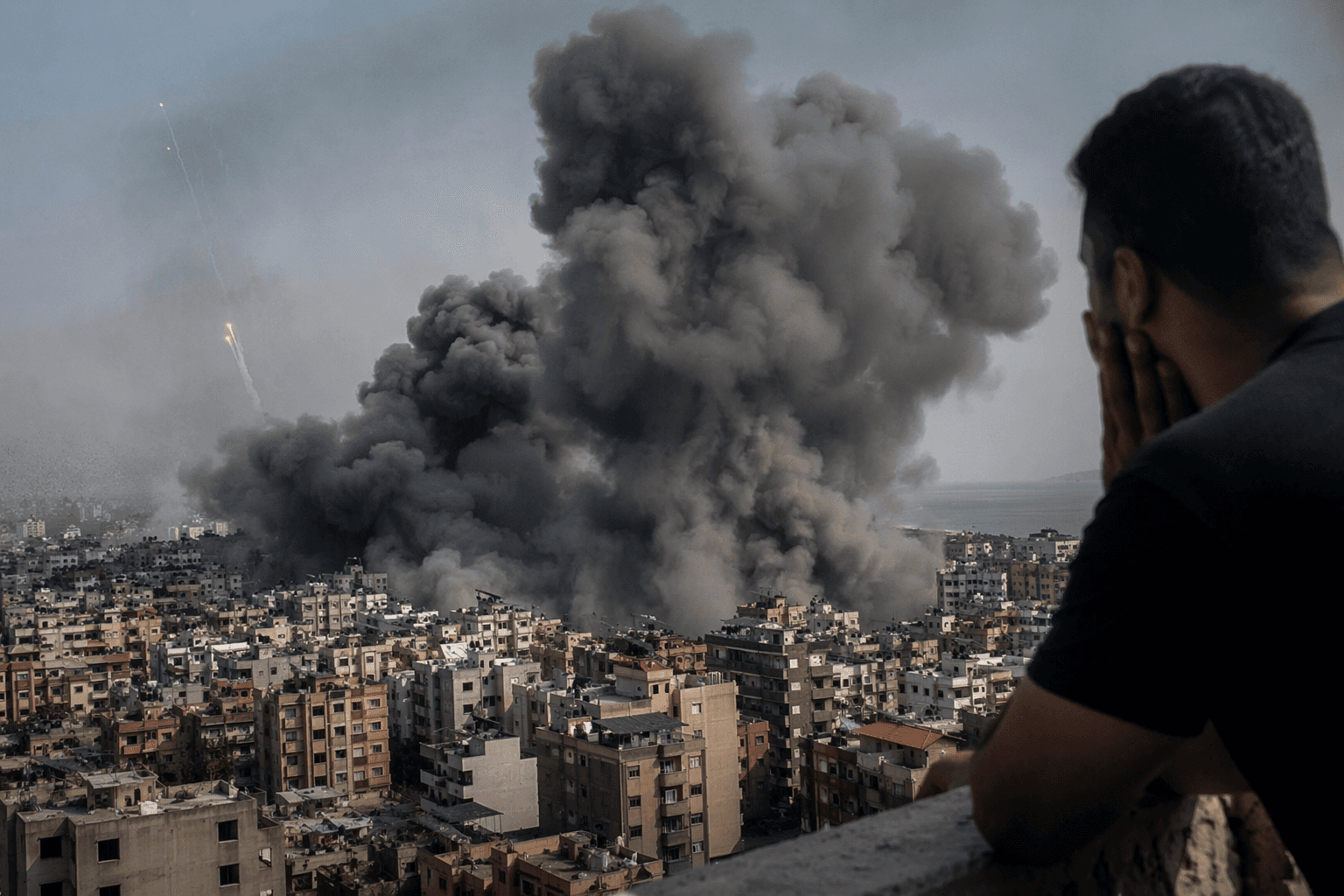
The timing underscored how fragile the truce has become. Israel had already struck Beirut’s southern suburbs twice since the April 16 ceasefire announcement, but Sunday’s attack was the first on the capital since the agreement was renewed last week. Hezbollah has rejected any “partial” ceasefire and has said it wants a full cessation of hostilities, leaving little room for a narrow border arrangement to contain the violence. The exchange of fire also followed fighting near northern Israel, including the areas around Yiftah and Ramot Naftali, and comes as Israeli forces continue to watch southern Lebanon and the city of Tyre for further attacks.
The broader toll in Lebanon has become severe. Lebanese authorities and United Nations figures say more than 3,500 people have been killed and more than 10,000 injured since hostilities escalated on March 2, 2026. The Lebanon Ministry of Public Health put the death toll at 3,526 and the number of wounded at 10,733 by June 4, including hundreds of women and children, while more than 135,300 people were registered in collective shelters and more than 1 million have been displaced. Iran has warned that a strike on Beirut could trigger wider regional retaliation, raising the risk that a border clash between Israel and Hezbollah could spill into a multi-front war drawing in Tehran and other actors across the Middle East.
This article was produced by Prism’s automated news system from verified source data, official records, and press releases, then run through automated quality and moderation checks before publishing. The system is built and supervised by the people who set the standards it runs under. Read our full AI policy.
Know something we missed? Have a correction or additional information?
Submit a Tip