Israel Strikes Tehran and Beirut as Pentagon Rushes 2,500 Marines to Region
Israeli forces hit Iran's capital and southern Beirut as the U.S. accelerates military deployments; more than 2,000 people have been killed since the war began.
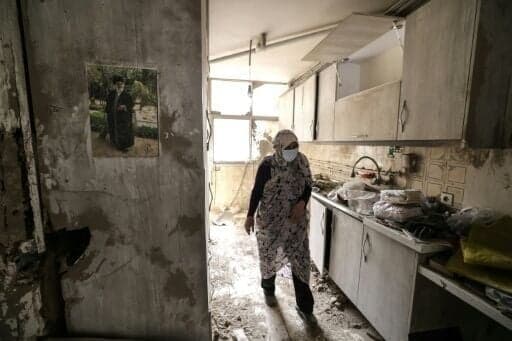
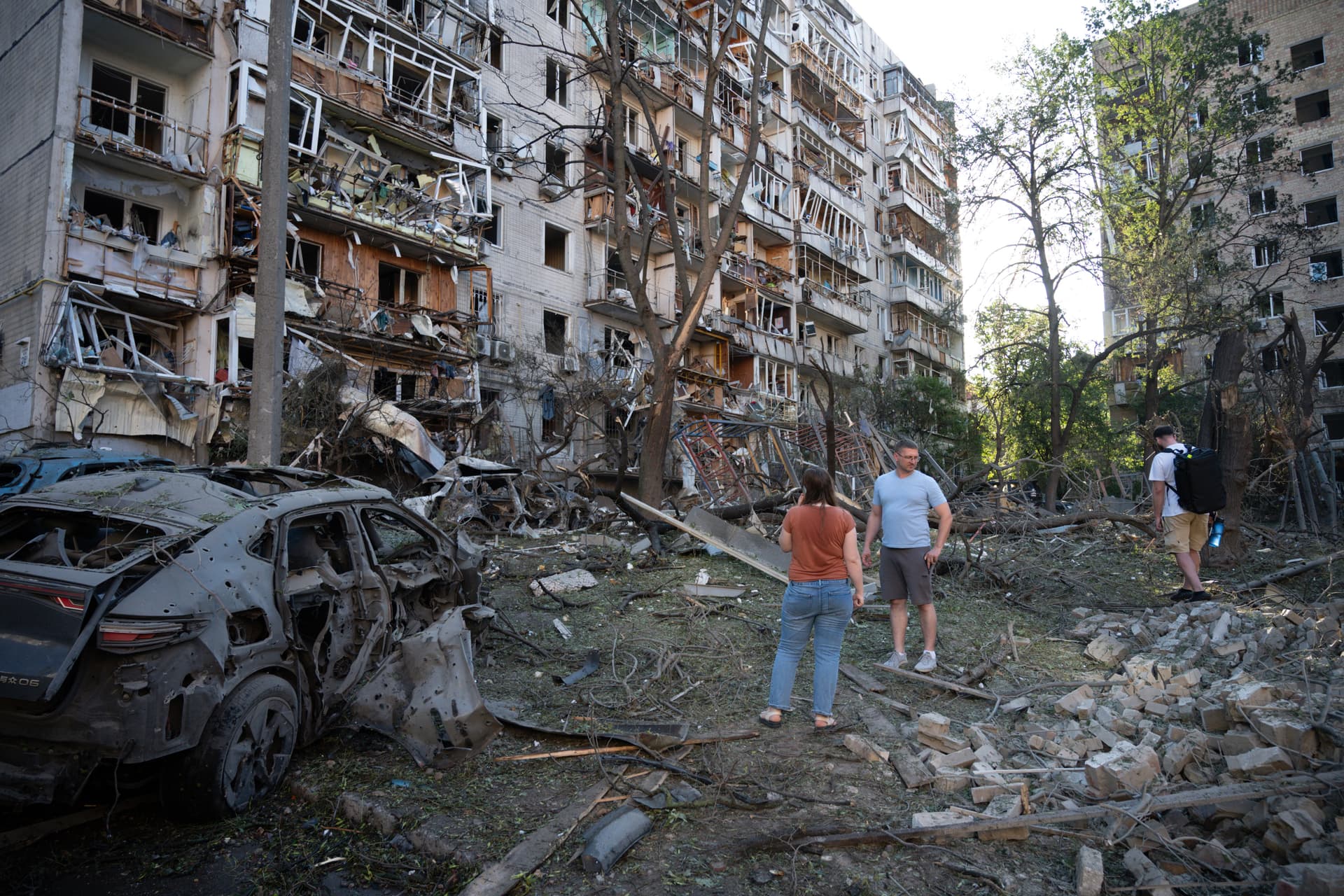
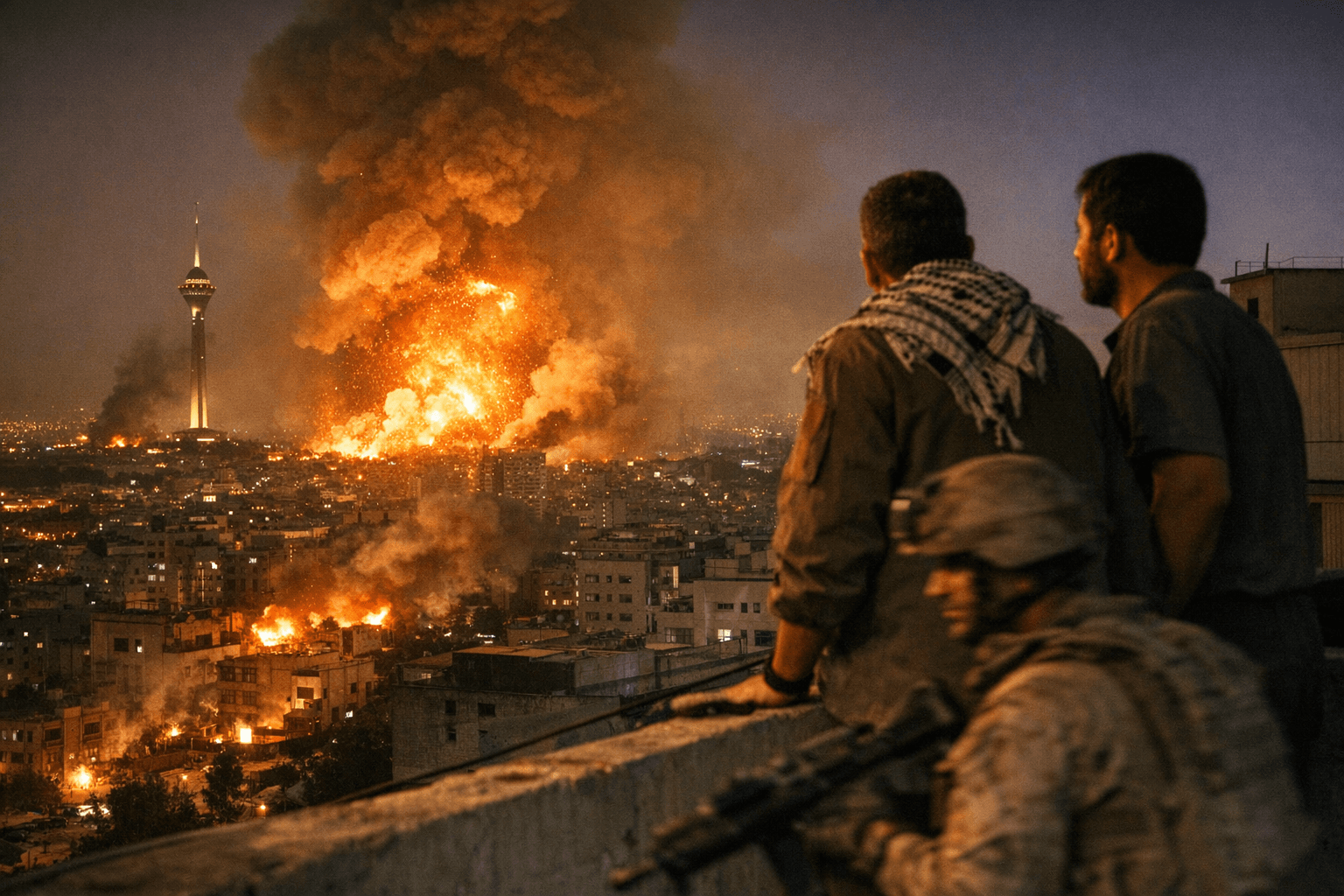
Israeli forces struck targets in Tehran and the southern suburbs of Beirut on Saturday as the United States accelerated military deployments to the region, with CENTCOM claiming more than 8,000 targets had been hit since the conflict began three weeks ago.
Three U.S. officials told Reuters that 2,500 Marines, along with the amphibious assault ship Boxer and accompanying warships, would deploy to the broader Middle East, though officials did not specify their role. Other U.S. media outlets described the movement more broadly as "thousands" of Marines, raising speculation about a potential ground operation, though U.S. ground troops would be politically unpopular domestically.
Before its Saturday strikes, the Israeli military issued evacuation warnings for seven neighborhoods in Beirut's southern suburbs, known as Dahiyeh. Israel said it was targeting Hezbollah infrastructure in the Lebanese capital as part of an intensifying campaign against the Iran-backed militia. The weekend escalation followed what the Israeli military described as two large waves of Israeli airstrikes on Tehran and central Iran on Friday, coupled with multiple waves of Iranian missile attacks against Israel.
The human toll has grown staggering. More than 2,000 people have been killed since the United States and Israel launched strikes against Iran on February 28. In Lebanon alone, more than 1,000 people have been killed and over one million displaced by Israeli attacks, according to The Hindu. CENTCOM's claim of more than 8,000 targets struck has not been elaborated upon with a breakdown of target types, timeframes, or geographic distribution.
The war has spilled well beyond its original front lines. Kuwait reported a missile and drone attack early Saturday. Saudi Arabia said it intercepted more than two dozen drones. A blast struck the Old City of Jerusalem after Israel warned of incoming Iranian missiles. Tehran has continued retaliatory drone and missile attacks on Gulf nations it accuses of serving as launchpads for U.S. strikes. The standoff in the Strait of Hormuz has sent crude oil prices soaring, and the U.S. Treasury Department lifted sanctions on Iranian oil already at sea to ease global supply fears.
President Donald Trump accused NATO allies of "cowardice" over their reluctance to help open the Strait of Hormuz. Despite the deepening conflict, Trump told reporters he was not seeking a truce because Washington was "obliterating" Iran, and posted on social media that the U.S. was "getting very close to meeting our objectives as we consider winding down our great Military efforts in the Middle East." White House Press Secretary Karoline Leavitt said Trump and the Pentagon "predicted it would take approximately 4-6 weeks to achieve this mission."
The attacks occurred as Muslims across the region celebrated Eid al-Fitr and Iranians marked Nowruz, the Persian New Year. Iranian Supreme Leader Mojtaba Khamenei, in a Nowruz message, declared that Iranians had responded with unity and resistance and "dealt a disorienting blow to the enemy." The Hindu reported that Khamenei has not appeared in public since an Israeli attack on the war's first day that the outlet reported killed his father, Ayatollah Ali Khamenei, a claim that has not been independently corroborated. An anonymous U.S. intelligence official said Khamenei's written statement "raises questions about his condition, since his father had traditionally marked the New Year with a video address."
With Marine deployments accelerating and strikes intensifying across multiple countries simultaneously, the conflict that began on February 28 shows no signs of a negotiated pause, regardless of Trump's talk of winding down.
This article was produced by Prism’s automated news system from verified source data, official records, and press releases, then run through automated quality and moderation checks before publishing. The system is built and supervised by the people who set the standards it runs under. Read our full AI policy.
Did this article answer your question?