Israel strikes Tehran oil depots, vows 'many surprises' ahead
Israel struck sites in Tehran and vowed 'many surprises', raising oil market risk and regional tensions as attacks on Gulf states continued.

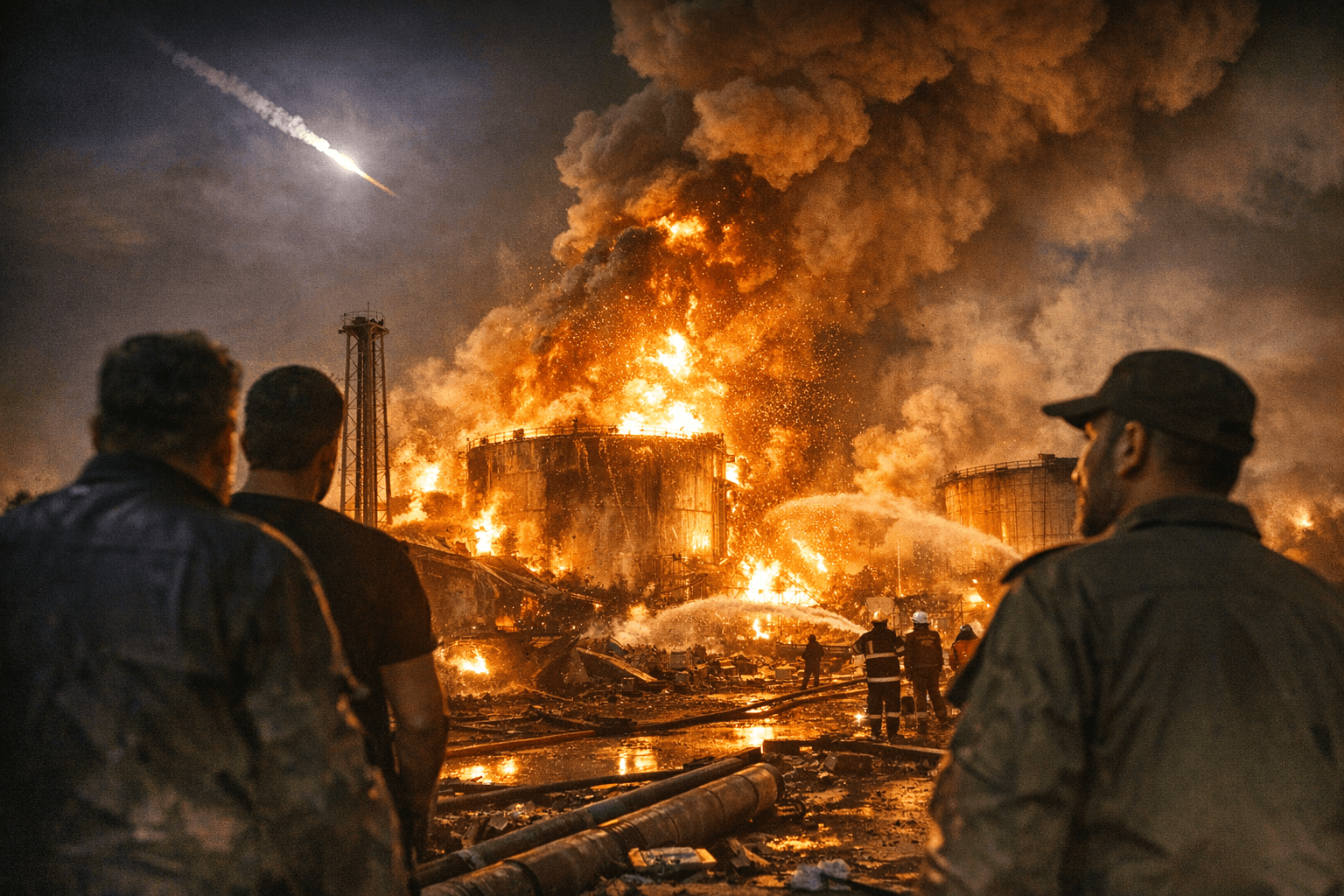
New air and missile strikes illuminated Tehran's night sky, striking storage and fuel-handling facilities inside the Iranian capital as Israel vowed "many surprises" and attacks on Gulf states continued, signaling a sharp escalation in a conflict that has begun to intersect directly with global energy markets.
The strikes, which Iranian officials acknowledged had damaged oil depot infrastructure, came amid an exchange of cross-border attacks that included assaults on energy and shipping-related targets in the Gulf. Tehran issued an apology to neighboring states for fallout from the strikes, a rare diplomatic move that underscored the risk of wider regional disruption even as military action intensified inside Iranian territory.
The immediate market effect was a renewed risk premium on crude and refined products. The Strait of Hormuz remains central to that calculation: roughly 20 percent of seaborne petroleum passes through the chokepoint, and any sustained disruption there would quickly translate into higher prices and tighter inventories for import-dependent economies. Global oil demand is roughly 100 million barrels per day, meaning even short interruptions to flows or to refinery throughput in the region can ripple through freight, refining margins, and consumer fuel costs.
Shipping insurers and oil traders moved to price in higher geopolitical risk, and traders rerouted some tankers to avoid contested waters. Those operational shifts raise costs: longer voyages add bunker fuel use and increase insurance premiums, which are passed along the supply chain. Energy-importing economies and industrial users in Asia and Europe face direct exposure if disruptions persist, accelerating headline inflation and complicating central bank calculations about the pace of policy normalization.
The political message from Israel was explicit and strategic. By striking facilities inside Tehran and promising "many surprises", Israeli officials signaled a willingness to target Iranian logistics and energy nodes to degrade Tehran's capacity to project power and finance proxy operations. That posture increases the probability of asymmetric retaliation by Iran or its partners, who have focused recent attacks on Gulf infrastructure and commercial shipping.
Meanwhile, the public posture of the United States amplified uncertainty. Political leaders in Washington indicated backing for responses to threats in the Gulf, raising the prospect of deeper U.S. involvement even as officials balance the risks of a broader conventional conflict. The combination of Israeli operations, Iranian political signals, and U.S. engagement creates a layered escalation that markets and policymakers must now price.
For markets the immediate task is risk management: states and companies will reassess strategic fuel stocks, shipping routes, and insurance layers. For policymakers the challenge is twofold: deter further attacks while preventing the conflict from impairing energy flows that would exacerbate global inflation and growth headwinds. The strikes in Tehran and Israel's vow of surprises amount to a clear inflection point: the conflict is moving from proxy strikes to direct action against energy infrastructure, and its economic consequences will persist until regional lines of communication and shipping lanes are secured or demand-side adjustments reduce market tightness.
This article was produced by Prism’s automated news system from verified source data, official records, and press releases, then run through automated quality and moderation checks before publishing. The system is built and supervised by the people who set the standards it runs under. Read our full AI policy.
Did this article answer your question?