Israel suspends licenses for aid groups operating in Gaza
Israel announced the suspension and planned revocation of operating licenses for more than two dozen international humanitarian organizations working in Gaza, citing noncompliance with new registration and vetting requirements. The decision raises immediate operational uncertainty for relief efforts in Gaza, while officials insist most aid will continue through permitted organizations.
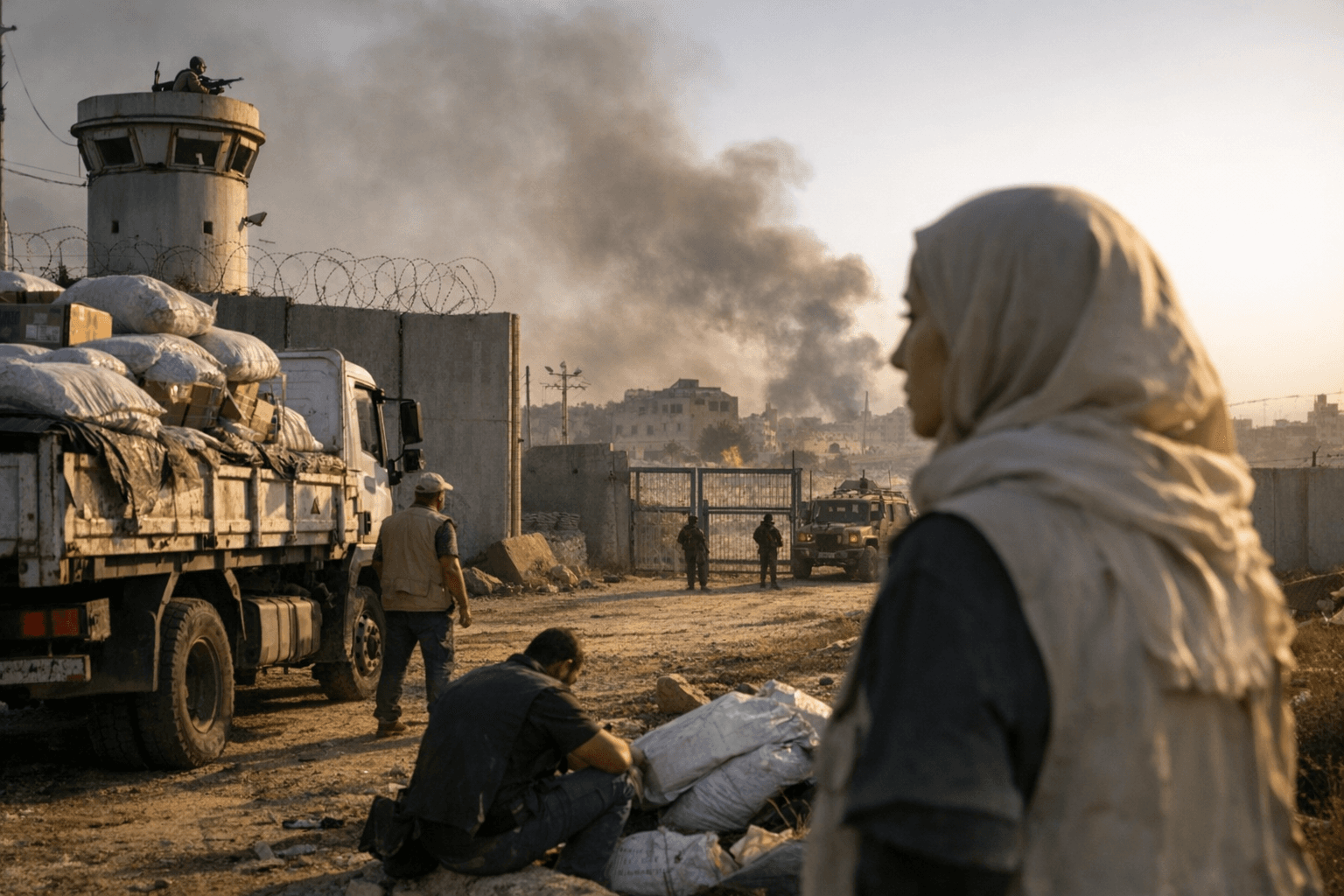
Israeli authorities announced on December 30, 2025 that they would suspend and revoke the operating licenses of a group of international humanitarian organizations operating in the Gaza Strip, saying the organizations failed to comply with recently imposed registration and vetting requirements. The ministry in charge and the military coordination body responsible for humanitarian flows to Gaza framed the decision as a security measure aimed at preventing militant groups from exploiting aid channels.
Officials said the affected organizations did not meet new conditions requiring disclosure of staff identities, sources of funding and detailed operational information. The coordination body also emphasized that the named groups represent a small share of the total aid volume entering Gaza, estimating their contributions at under one percent, and that more than 20 organizations have been granted permits to continue operations and move assistance into the territory.
Among organizations identified by officials as affected are Doctors Without Borders, CARE and the Norwegian Refugee Council. The government announced that the suspensions will be formalized on January 1, 2026, and that organizations based in Israel will be required to exit Israeli territory by March 1, 2026. Authorities said permitted groups will continue to deliver humanitarian assistance, and that the step is limited to entities that failed to satisfy the new disclosure requirements.
The move has produced immediate alarm within the humanitarian community. Aid organizations cautioned that restricting or removing established operators risks creating gaps in lifesaving services. Medical providers, food distributors and shelter programs in Gaza rely on coordination among multiple international actors, and aid officials warned that the enforcement of the new rules could impede delivery of care and supplies to civilians already in acute need.
There are notable discrepancies in public tallies of the action. Initial official briefings and subsequent accounts varied, describing the affected roster as more than two dozen, around 25, or exceeding 30 organizations. Some briefings cast the measure in terms of organizational counts, suggesting the affected groups constitute about 15 percent of nongovernmental actors working in Gaza, while the coordination body framed the impact by aid volume rather than by number of organizations. A uniformly published, itemized list of all affected organizations and the specific statutory or regulatory failings cited for each has not been released.
The policy implications extend beyond immediate operations. The dispute raises questions about the legal basis for the new vetting rules, the transparency of enforcement, and the mechanisms for appeal or review. Independent verification of allegations about individual staff affiliations and of the practical effects on aid delivery will be critical to assessing whether the measure enhances security without unduly compromising humanitarian access.
As the revocations approach their effective date, oversight bodies, humanitarian monitors and donors will face pressure to obtain a full accounting from Israeli authorities, and to develop contingency plans to prevent service interruptions for Gaza civilians. The decision underscores the ongoing tension between security policies and humanitarian imperatives, and it poses a test of institutional transparency and accountability in the management of aid to one of the most vulnerable populations in the region.
This article was produced by Prism’s automated news system from verified source data, official records, and press releases, then run through automated quality and moderation checks before publishing. The system is built and supervised by the people who set the standards it runs under. Read our full AI policy.
Did this article answer your question?

