Israel to Suspend Licences of 37 International Aid Groups Operating in Gaza
Israeli authorities announced they will suspend or revoke the licences of 37 international humanitarian organisations operating in Gaza, the West Bank and Israel, saying the groups failed to meet updated registration requirements. The move, set to take effect Jan. 1, threatens to interrupt programmes and raise diplomatic and legal questions about humanitarian access in an already fragile territory.
Israeli authorities said on Dec. 31 that they will suspend or revoke the licences of 37 international humanitarian organisations that operate in Israel, the occupied West Bank and the Gaza Strip, with the suspensions scheduled to begin on Jan. 1. Organisations based in Israel have been given until March 1 to withdraw, and officials said affected groups may appeal the decisions.
The action, announced by the Coordinator of Government Activities in the Territories (COGAT) and the Ministry for Diaspora Affairs and Combating Antisemitism, follows new registration requirements notified in March that demand detailed disclosures about staff personal details, sources of funding and operational activities. Israeli officials described the move as an effort to "strengthen and update" rules governing international non-governmental organisations in Gaza and the occupied Palestinian territory.
Authorities said those named failed to renew their registrations or to provide the required information. Officials also alleged that some of the organisations did not bring aid into Gaza during the current ceasefire period, and in at least one case did not respond to Israeli claims that some of its workers were affiliated with Hamas or Islamic Jihad; reports have named Médecins Sans Frontières/Doctors Without Borders in that context.
The list of affected groups includes several prominent international agencies and their Gaza or West Bank divisions: Médecins Sans Frontières (MSF), Oxfam, the Norwegian Refugee Council, CARE, Action Against Hunger, ActionAid, Alianza por la Solidaridad, Campaign for the Children of Palestine, DanChurchAid and the Danish Refugee Council. Israeli officials provided an official count of 37 organisations and said the groups that failed to comply represent about 15 percent of organisations operating in Gaza.
COGAT sought to reassure that the decision would not undercut overall aid flows, saying the named organisations contribute less than 1 percent of the total aid entering the Gaza Strip and that the steps "will not result in any future harm to the volume of humanitarian aid entering the Gaza Strip." The defence body also said roughly 4,200 aid trucks per week would continue to enter Gaza through the United Nations, donor countries, the private sector and more than 20 international organisations that remain registered and approved.
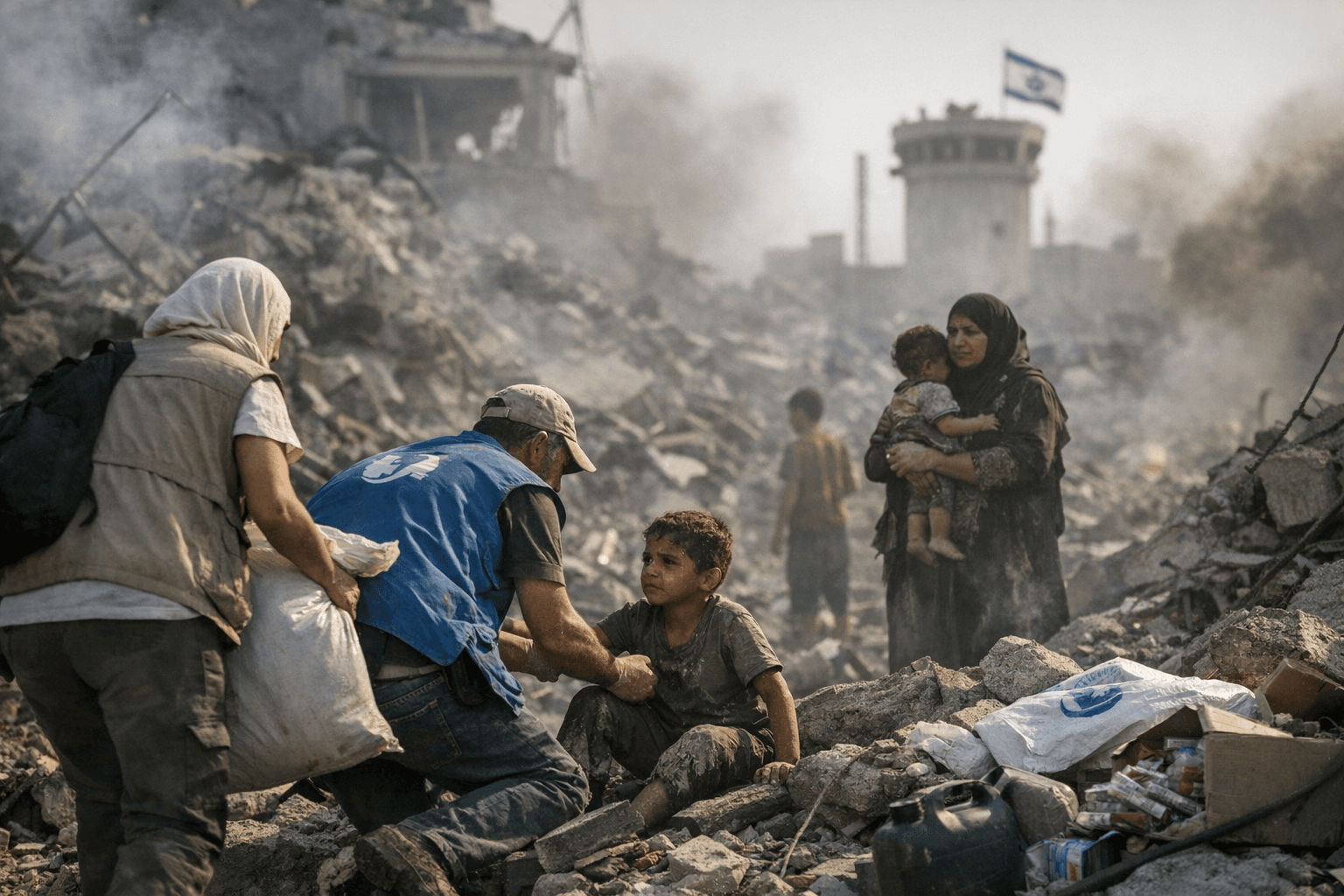
Humanitarian groups and aid advocates warned that even if aggregate tonnage is maintained, the suspension of specialised organisations risks severe programmatic gaps. A communications adviser for the Norwegian Refugee Council described the decision as "arbitrary and highly politicized." Concerns include the immediate inability to send international staff into Gaza, the closure of offices in Israel and East Jerusalem, interruption of ongoing health, sanitation and protection programmes, and the potential endangerment of staff by tying registration to political vetting.
The announcement intensifies a broader dispute over access and the regulation of humanitarian operations that has been unfolding since October. Earlier this year, more than 100 aid organisations accused Israeli authorities of blocking life-saving assistance and warned against the "weaponisation of aid," a framing that underlies much of the current NGO response.
Legally and diplomatically, the measure raises questions about occupier responsibilities under international humanitarian law to ensure relief for civilians and about proportionality and due process in licensing decisions. With the appeals mechanism now open, the coming weeks will test whether administrative remedies can prevent disruptions on the ground, and whether donor states and international institutions will press for clarity and guarantees to protect humanitarian access and the safety of aid workers.
This article was produced by Prism’s automated news system from verified source data, official records, and press releases, then run through automated quality and moderation checks before publishing. The system is built and supervised by the people who set the standards it runs under. Read our full AI policy.
Did this article answer your question?