Israel warns U.S.-Iran deal leaves missiles, proxies, and Lebanon untouched
Israel says the U.S.-Iran framework leaves missiles, proxies and Lebanon out of the deal, widening the gap between Washington and Jerusalem.

Israeli leaders are warning that the emerging U.S.-Iran framework misses the issues they see as most dangerous: Iran’s ballistic missile program, its regional proxy network and the risk that Israel’s freedom of action in Lebanon could be narrowed. That gap is becoming the central dispute between Jerusalem and Washington, as Prime Minister Benjamin Netanyahu presses for tougher terms while the draft appears to focus mainly on nuclear limits and sanctions relief.
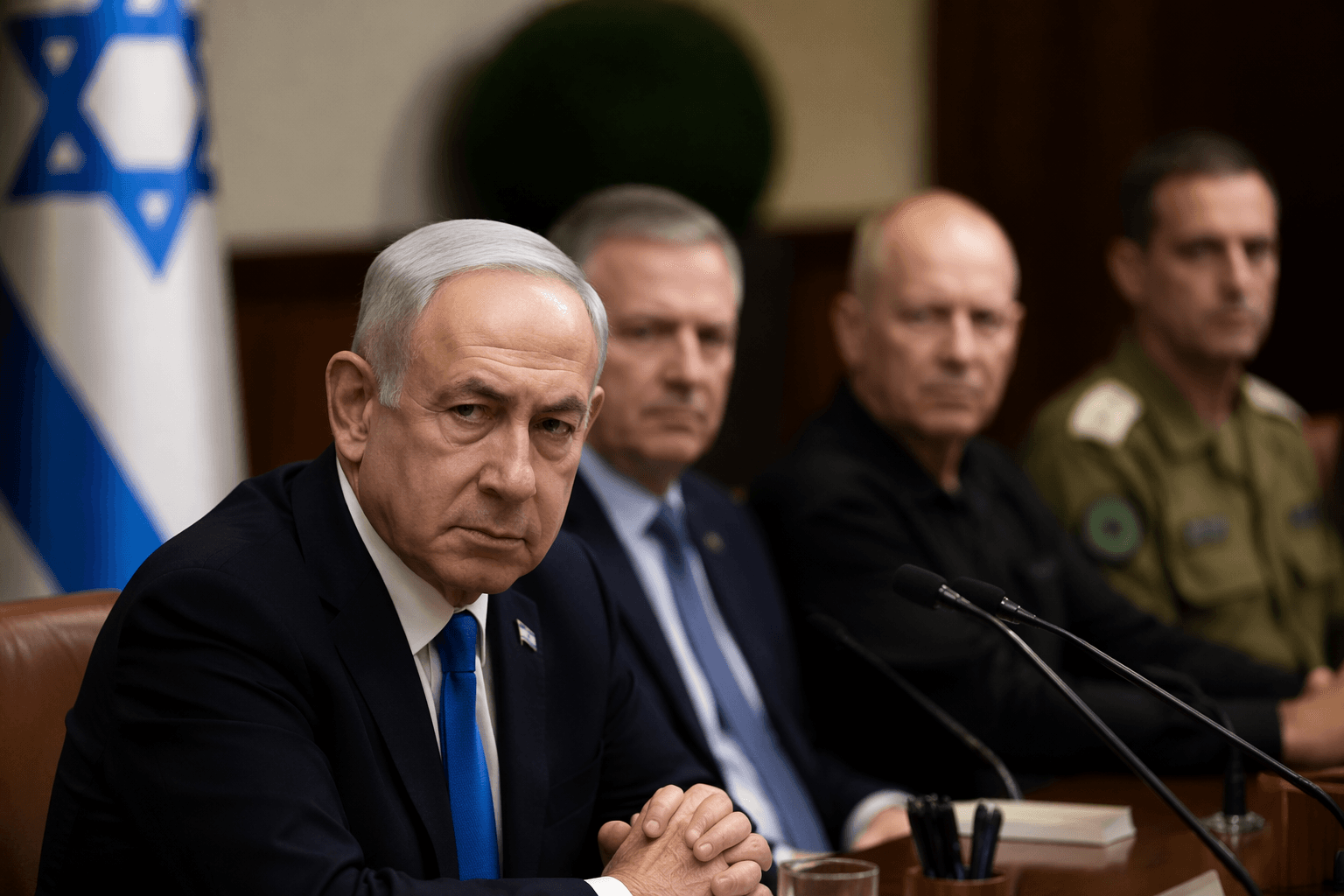
Netanyahu convened a small group of ministers and senior security officials on Sunday evening to review the talks, a sign of how seriously Israel is treating the negotiations. His office said Israel is not a party to the memorandum of understanding, but Netanyahu said President Donald Trump had assured him that any final agreement would include removal of enriched material, dismantling of enrichment infrastructure, limits on missile production and an end to Iran’s support for terrorist proxies in the region.
The concern in Jerusalem is that the framework discussed in late May 2026 could freeze the conflict rather than resolve it. Reporting on the draft said it touched on the Strait of Hormuz, sanctions relief and limits on enriched uranium, but Israeli officials said those provisions still left the core security threats unresolved. Israeli analysts described the arrangement as troubling because it could give Tehran time and money while postponing harder questions about dismantlement, missile restrictions and proxy activity.
That anxiety reflects a wider Israeli strategy of combining diplomacy with military pressure. Israel has already escalated strikes against Hezbollah and other Iran-aligned targets, and analysts say any agreement that constrains escalation could make those operations harder to sustain in Lebanon. For Israeli officials, the issue is not only whether Iran’s nuclear program is slowed, but whether Washington will preserve Israel’s ability to act if Tehran or its proxies violate any future terms.
The broader backdrop is a long record of U.S. pressure on Iran. Sanctions have been in place since 1979, and the United States has continued targeting Iranian procurement networks, ballistic-missile and UAV programs, and entities tied to the Islamic Revolutionary Guard Corps in 2025 and 2026. In January 2026, the State Department said UN sanctions reimposed on Iran included requirements to suspend uranium enrichment-related activity, prohibit ballistic-missile technology and restrict arms transfers.
On June 10, the United States and a large group of allies also condemned Iranian state threat activity in Europe, North America and Australia, citing plots and malign actions linked to the IRGC intelligence apparatus, the Quds Force and the Ministry of Intelligence and Security. For Israel, that global pattern reinforces the same message: any deal that leaves missiles, proxies and regional attack capacity untouched may buy diplomacy, but it does not buy security.
This article was produced by Prism’s automated news system from verified source data, official records, and press releases, then run through automated quality and moderation checks before publishing. The system is built and supervised by the people who set the standards it runs under. Read our full AI policy.
Know something we missed? Have a correction or additional information?
Submit a Tip