Israeli forces advance north of Lebanon’s Litani as talks continue
Israeli troops crossing north of the Litani pushed the Lebanon war into a more dangerous phase as Washington tried to keep ceasefire talks alive.

Crossing north of the Litani River marked a sharper threshold in the war in Lebanon: Israeli forces were no longer just pressing the border zone but moving beyond a line long treated as the strategic and diplomatic marker for containing Hezbollah. Benjamin Netanyahu said Israeli troops had “crossed the Litani and advanced to controlling positions,” while Lebanese security sources said the crossing happened near Zawtar al-Sharqiyah, about 10 kilometers from the border, before troops retreated to the southern bank.
The river matters because it runs east to west about 30 kilometers into southern Lebanon and sits at the center of ceasefire thinking on both sides. Under the U.S.-brokered framework, Israeli forces were expected to pull back from southern Lebanon, Hezbollah was supposed to move north of the river, and the Lebanese army was meant to deploy into the area. Instead, Reuters-linked reporting said Israeli ground forces expanded operations beyond a security zone they had occupied since April 16, turning the Litani into a sign not of separation but of escalation.
That military push unfolded as Washington tried to keep diplomacy alive. On April 14, U.S. officials hosted Israeli and Lebanese defense representatives in Washington, a meeting the State Department said was the first major high-level engagement between the two governments since 1993. The ceasefire announced on April 16 was later extended by 45 days on May 15, even as Israeli warplanes continued striking Lebanon’s south and east and Hezbollah fired drones and rockets into Israel.
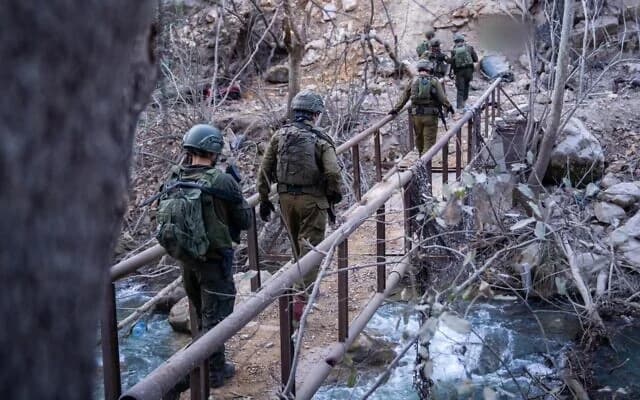
The widening fight has carried a steep human cost. Lebanon’s health ministry said more than 3,200 people had been killed since March 2, and more than 1.2 million Lebanese had been displaced. Israel has lost 23 soldiers and four civilians over the same period. UNICEF said at least 59 children were reportedly killed or injured in Lebanon in a single week despite the ceasefire, and Reuters later reported an average of 11 children killed or injured every 24 hours over the prior week.

Israeli military chief Eyal Zamir has vowed to keep pursuing Hezbollah launch squads, operators and commanders, a signal that the campaign is still aimed at degrading the group’s battlefield network. But Hezbollah has rejected disarmament demands tied to the Washington track, and Lebanon’s internal divisions over the group continue to shape President Joseph Aoun’s participation in talks. The result is a conflict running on two tracks at once: a deeper ground war around the Litani and a fragile diplomatic effort in Washington that has not yet been able to stop it.
This article was produced by Prism’s automated news system from verified source data, official records, and press releases, then run through automated quality and moderation checks before publishing. The system is built and supervised by the people who set the standards it runs under. Read our full AI policy.
Did this article answer your question?