Israeli strike kills three Lebanese soldiers in south Lebanon, army says
An Israeli strike near Kfar Tebnit killed three Lebanese soldiers, pushing the border war beyond Hezbollah and into Lebanon’s state institutions.
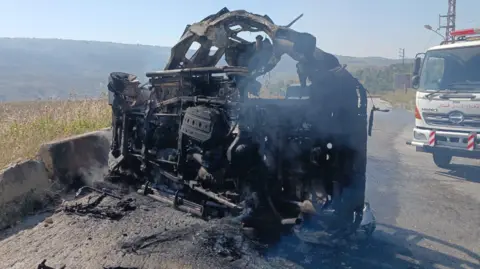
An Israeli strike in south Lebanon killed two officers and a soldier, raising the stakes of a conflict that has already shredded life along the border and now threatens to draw Lebanon’s regular army more directly into the fighting.
The Lebanese Army said the strike hit a car on a road near Kfar Tebnit, close to Nabatieh and about four miles north of the Litani River, in an area that has seen intense fighting and repeated displacement in recent months. The army condemned the attack as an “aggressive and barbaric raid” and later accused Israel of “brutal, deliberate and repeated aggression.”
Israel’s military said it was investigating the incident. The Israel Defense Forces said the vehicle was “moving suspiciously” toward its forces in an “active and evacuated combat zone,” and said gunfire had been reported in the area. The IDF said its initial review indicated three soldiers were believed to be in the vehicle and reiterated that its forces were operating against Hezbollah, not the Lebanese Army.

The deaths matter far beyond the battlefield because they involved Lebanon’s official military, not just Hezbollah fighters or other armed groups. That makes the strike a direct test of state sovereignty in a border region where the Lebanese government has little control over escalation and where civilians have repeatedly paid the price through evacuation orders, airstrikes and the collapse of normal life.
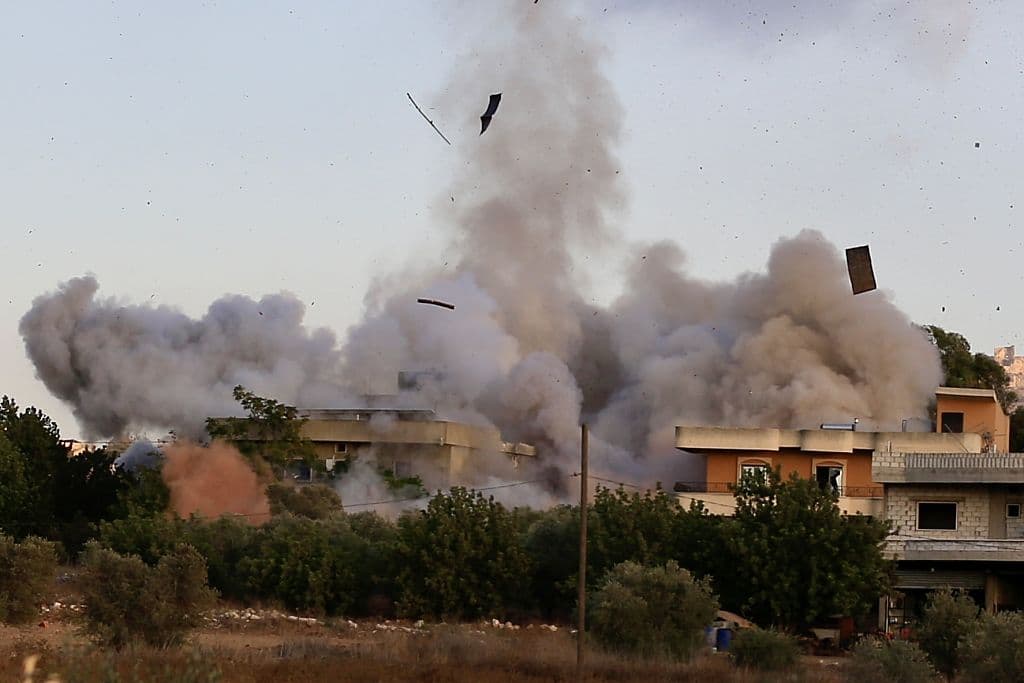
The incident also comes as Israel continues regular strikes in southern Lebanon and Hezbollah keeps up rocket and drone attacks. The exchange has turned the south into a grinding war zone, but the killing of Lebanese soldiers adds a new layer of danger: it increases the risk that Lebanon’s army, already stretched thin, could be pulled from a position of formal neutrality into a confrontation with Israel.
Ceasefire diplomacy remains stalled. Hezbollah leader Naim Qassem has rejected talks between Lebanon and Israel, calling them “futile.” Lebanon’s government, which is opposed to Hezbollah, has sought a ceasefire to stop the fighting on its territory and has said its forces would need such an agreement if they are ever to disarm Hezbollah themselves. The strike near Kfar Tebnit now underscores how fragile that path has become.
This article was produced by Prism’s automated news system from verified source data, official records, and press releases, then run through automated quality and moderation checks before publishing. The system is built and supervised by the people who set the standards it runs under. Read our full AI policy.
Did this article answer your question?