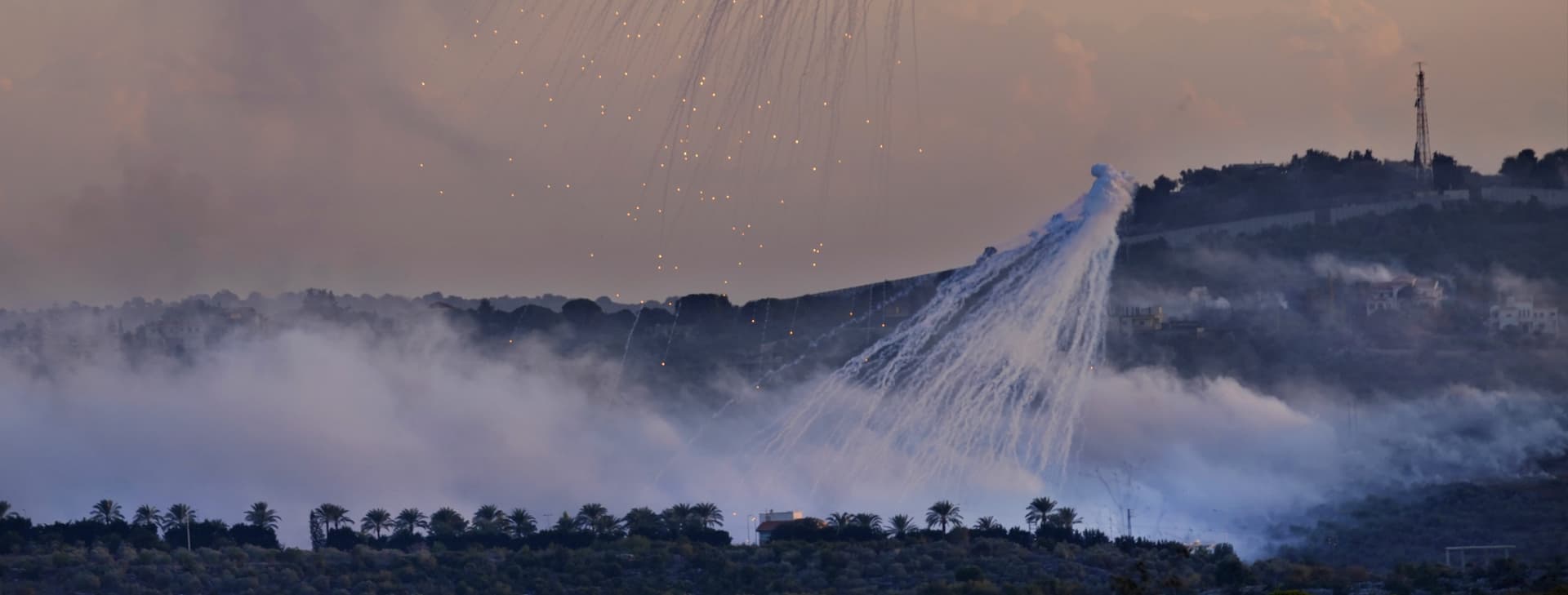
Israeli strikes in southern Lebanon kill soldiers after ceasefire deal
Israeli fire killed three Lebanese soldiers on a road between Nabatiyeh and Marjayoun, putting a fragile new truce under immediate strain. A second strike in Saksakiyah raised the day’s toll to at least 12.
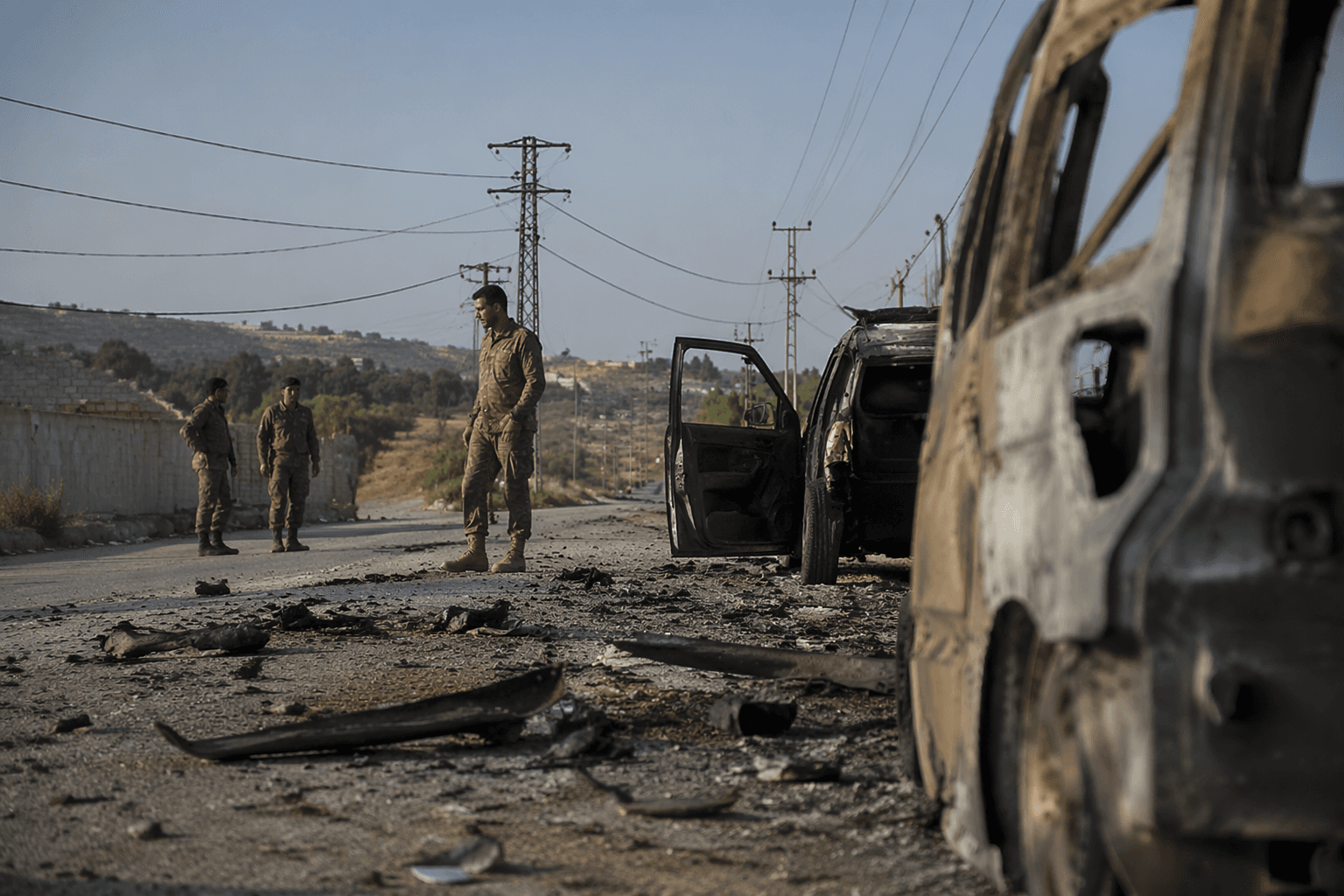
Israeli airstrikes in southern Lebanon killed three members of the Lebanese army and several civilians on Saturday, testing a ceasefire that had only just been announced and raising immediate doubts about whether the truce had any real protection behind it.
The Lebanese army said a strike hit a military vehicle on the Khardali-Nabatieh road linking Nabatiyeh and Marjayoun, killing Brigadier General Wassam Sabra, Captain Elie Khoury and soldier Hussein Ghozal. A second strike in Saksakiyah killed six more people and wounded four, according to Lebanon’s state-run National News Agency. By later counts, the death toll across southern Lebanon reached at least 12.
The attack landed at the center of a larger question now hanging over the ceasefire: whether this was an isolated breach or proof that the agreement lacks enforcement, clear red lines and genuine buy-in from the parties. The Israeli military said it struck a vehicle after receiving what it called “concrete indications” that Hezbollah was preparing fire from the area. It said the incident was under review and that it operates against Hezbollah, not the Lebanese army.
Lebanese leaders answered with unusually sharp language. President Joseph Aoun condemned the strike as a “flagrant violation” of sovereignty and international law. Prime Minister Nawaf Salam called it a “heinous crime.” The Lebanese army said the attacks were meant to thwart efforts to restore stability and secure a comprehensive ceasefire and an Israeli withdrawal from occupied Lebanese territories.
The timing deepened the sense of uncertainty. Reuters and Associated Press-linked coverage said the strikes came days after U.S.-brokered ceasefire discussions in Washington, where diplomats had been trying to lower the temperature after months of cross-border fighting. Hezbollah rejected the ceasefire, and Iran’s foreign ministry also criticized the attack, widening a dispute that now stretches from Beirut to Washington.
The strikes also underscored how difficult it remains to separate military pressure from diplomacy on the ground. Lebanese army commander General Rudolf Haykal was reported to be traveling to Pakistan for talks, even as the army buried officers killed on a road that is supposed to have been calmer under the new arrangement. With Israeli attacks continuing and both sides contesting the terms of restraint, the ceasefire already looks less like a guarantee than a test still waiting to fail or hold.
This article was produced by Prism’s automated news system from verified source data, official records, and press releases, then run through automated quality and moderation checks before publishing. The system is built and supervised by the people who set the standards it runs under. Read our full AI policy.
Know something we missed? Have a correction or additional information?
Submit a Tip