Israeli strikes kill 1,005 Palestinians in Gaza since ceasefire
Gaza’s ceasefire has not stopped the killing, with 1,005 Palestinians dead since Oct. 10 and fresh strikes hitting central Gaza, Gaza City and Khan Younis.

A ceasefire was supposed to silence the guns in Gaza. Instead, the Gaza Health Ministry says Israeli operations have killed 1,005 Palestinians since the truce took effect on Oct. 10, 2025, leaving civilians to measure the gap between diplomatic language and daily life in funerals, injuries and shattered homes.
The latest deaths came after a series of Israeli drone strikes over recent days in towns and refugee camps in central Gaza and Gaza City. On Wednesday, an Israeli strike in Khan Younis in southern Gaza killed two Palestinians and wounded six others, according to health officials at Nasser Hospital. The Israeli military acknowledged carrying out that strike and said the target was a “terrorist,” but did not elaborate.
The violence has not been limited to isolated incidents. The enclave has seen near-daily strikes, along with shelling and gunfire along the boundary that divides Gaza into Israeli and Palestinian-controlled zones. That has made the ceasefire look increasingly fragile, even as it remained formally in place after a U.S.-brokered deal that also led to hostage and detainee exchanges and a surge in humanitarian aid.
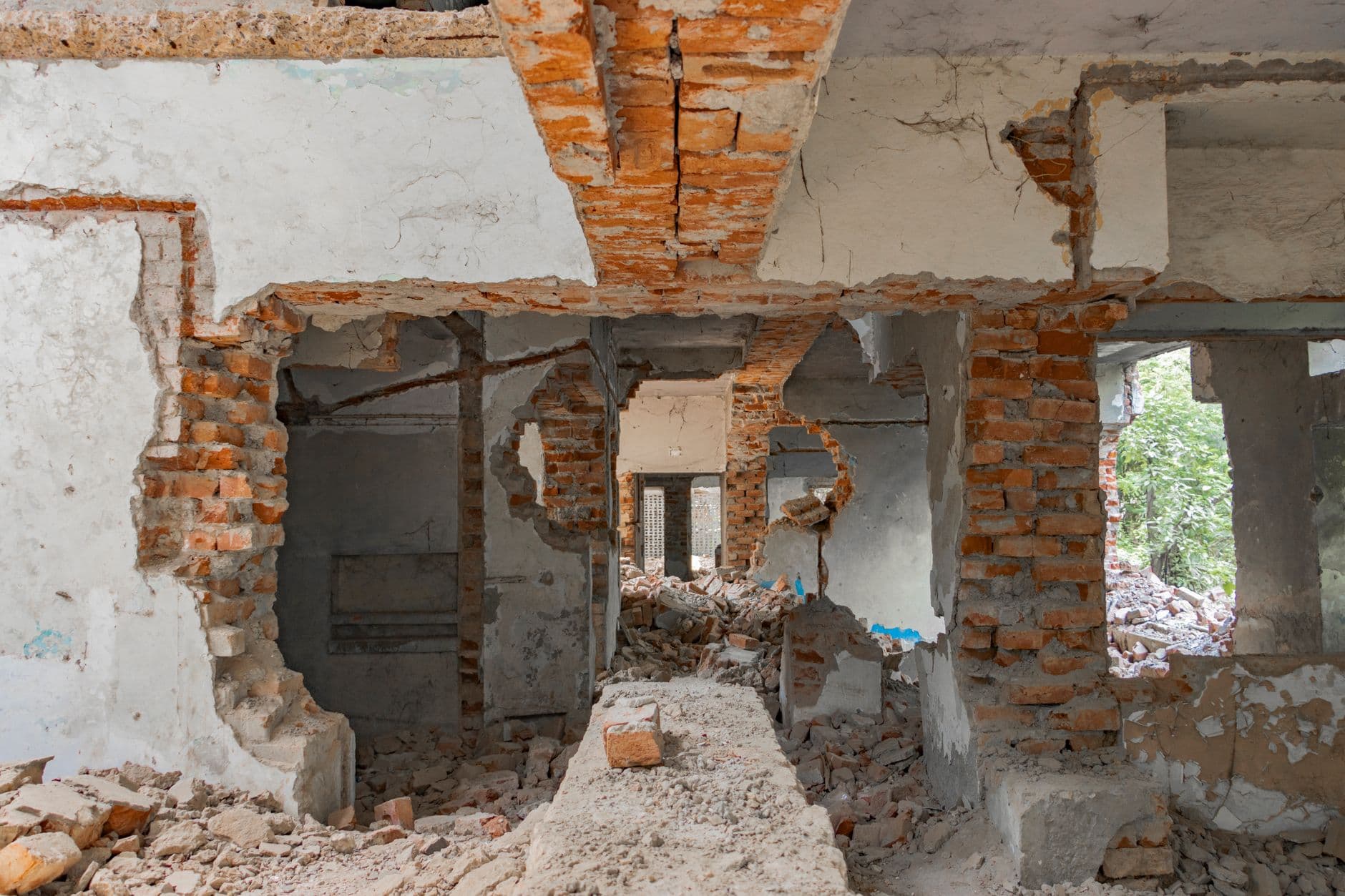
UNICEF said 529 Palestinians were reported killed from the start of the ceasefire on Oct. 10 through Dec. 31, 2025, including more than 120 children, and 1,184 were injured. By Feb. 3, 2026, the agency said 71,803 Palestinians had been reported killed in Gaza since the war began on Oct. 7, 2023, including at least 21,289 children. That war began with Hamas-led militants’ attack on southern Israel, in which about 1,200 people, mostly civilians, were killed and 251 were taken hostage.
UN agencies have continued to describe Gaza’s humanitarian situation as catastrophic despite the ceasefire. UN OCHA has reported that airstrikes, shelling and gunfire have continued to cause civilian casualties and damage to civilian infrastructure, while humanitarian agencies say children still need urgent medical evacuation and access to basic services remains severely constrained.
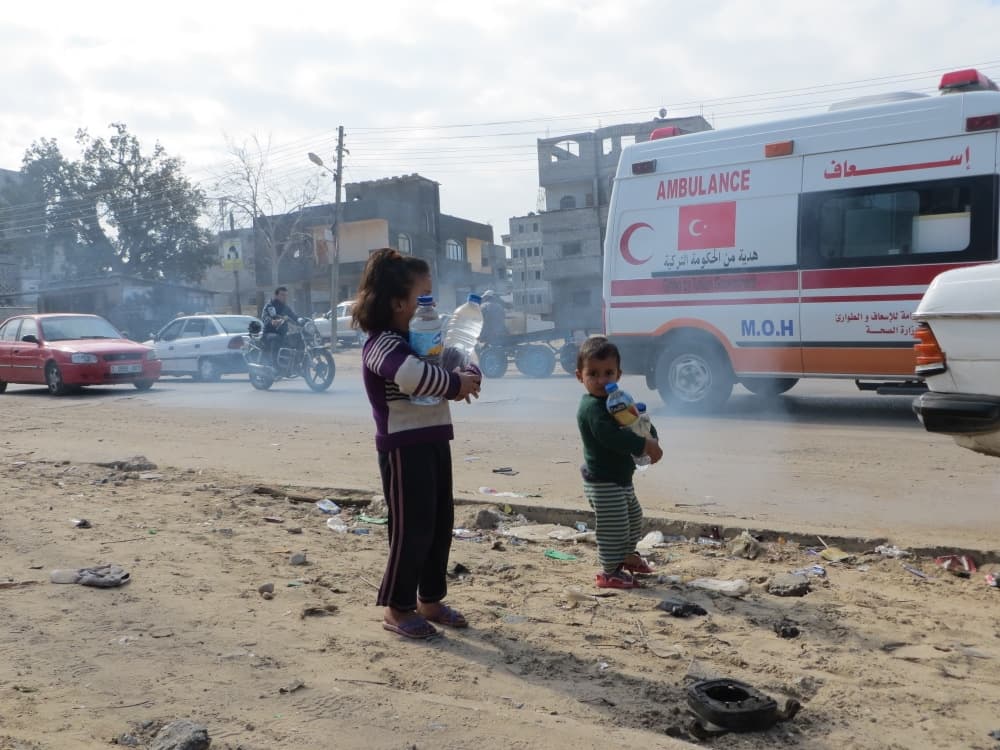
The numbers point to a ceasefire that exists on paper but has not delivered safety on the ground. For families in Gaza, the truce has not meant the end of war, only a different pace of it.
This article was produced by Prism’s automated news system from verified source data, official records, and press releases, then run through automated quality and moderation checks before publishing. The system is built and supervised by the people who set the standards it runs under. Read our full AI policy.
Know something we missed? Have a correction or additional information?
Submit a Tip