Trump warns new strikes on Iran if leaders violate ceasefire deal
Trump threatened new strikes on Iran if Tehran breaks a 60-day ceasefire deal that still leaves nuclear limits unresolved.
Trump left the most important question unanswered even as he moved to lock in a ceasefire with Iran: what, exactly, will stop Tehran from rebuilding its nuclear program. The 60-day interim framework he and JD Vance signed electronically on Sunday pauses the fighting and sets a path to reopen the Strait of Hormuz, but the hard issues are still being pushed into later negotiations.
The agreement is being presented as a bridge rather than a finish line. It would lift the U.S. naval blockade tied to the waterway and, if a final deal is reached, open the door to sanctions relief and a reported $300 billion reconstruction incentive for Iran. But the text leaves the future of Iran’s nuclear program for later talks, along with the broader security questions that have driven years of confrontation between Washington and Tehran.
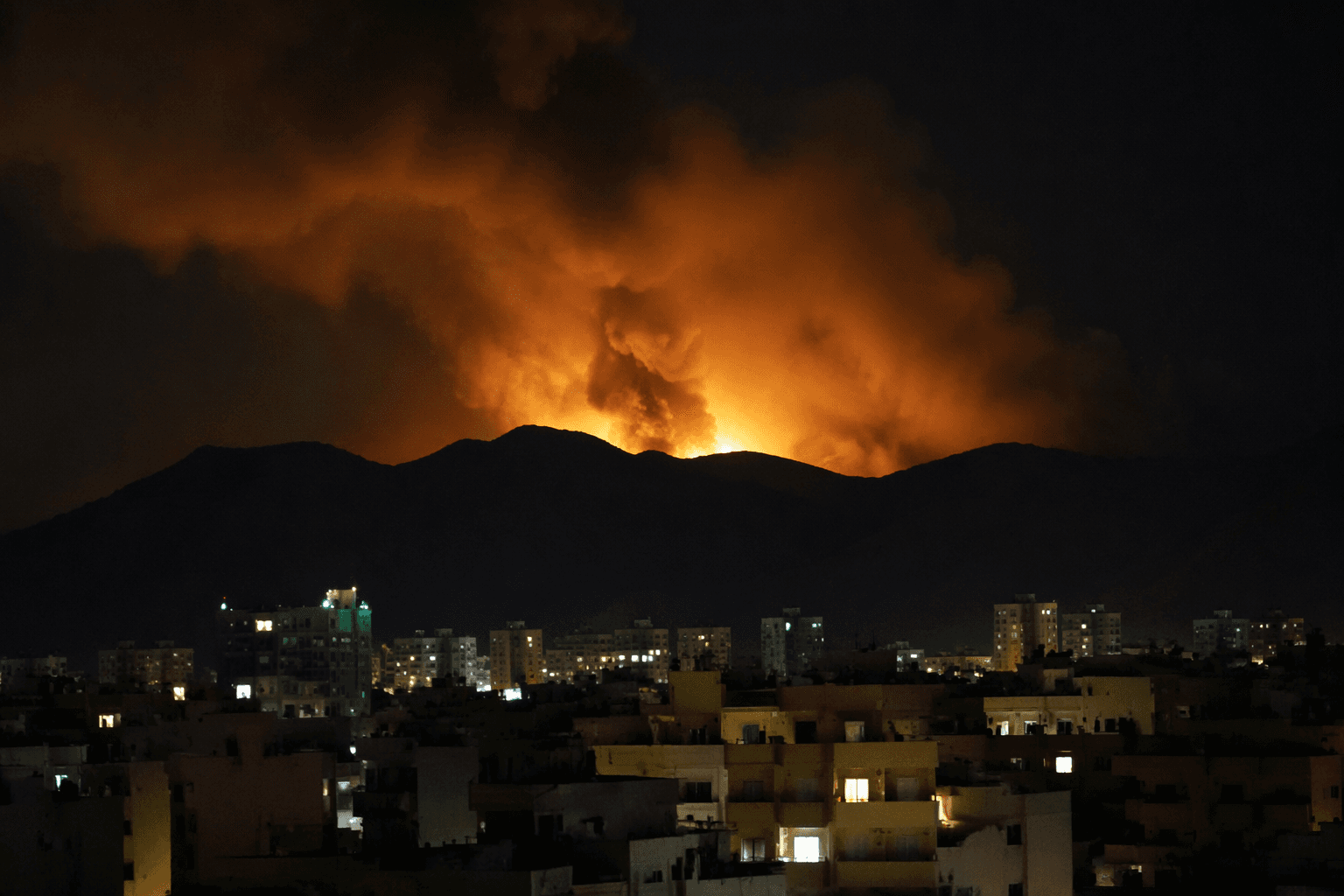
Trump said any violation would bring renewed U.S. military action, and he warned that if Iran’s leaders “don’t behave,” he could order new strikes. He also said he could resume attacks and kill Iranian officials if Tehran failed to honor its commitments. That threat underscores the gap between the ceremony and the substance: the deal can pause the war, but it does not yet spell out enforceable nuclear limits.
The diplomatic sequence moved quickly after Trump had come close to ordering strikes. He had previously said he would hit Iran “VERY HARD TONIGHT,” then pulled back after calls from officials in Qatar, the United Arab Emirates and Pakistan convinced him a deal was close. Those calls came from leaders including Qatar’s Tamim bin Hamad Al Thani, the UAE’s Mohamed bin Zayed Al Nahyan and Pakistan’s Asim Munir, helping turn a military escalation into a negotiated pause.
Marco Rubio told Congress that detailed nuclear discussions would take more time and that reopening the Strait of Hormuz would be only a first step. Iranian officials have said the more difficult issues remain unresolved, even as celebrations in Tehran suggested the agreement’s symbolic weight. If the ceremony scheduled for Friday in Switzerland goes ahead, the accord would mark a rare direct deal, potentially the first signed by both a U.S. and Iranian president since the Islamic Republic was founded in 1979.
The deal’s immediate effect is to lower the odds of an instant military clash, but not to remove them. By tying sanctions relief and reconstruction money to a later final settlement, Trump has preserved leverage while leaving the nuclear question open, which means the ceasefire may prove fragile if the next round of talks stalls.
This article was produced by Prism’s automated news system from verified source data, official records, and press releases, then run through automated quality and moderation checks before publishing. The system is built and supervised by the people who set the standards it runs under. Read our full AI policy.
Know something we missed? Have a correction or additional information?
Submit a Tip