Israel’s strikes on southern Lebanon kill more than 3,700, HRW says
In Dayr Debba, a strike killed nine and emptied a town near Tyre, as Lebanon’s war toll passed 3,700 and one million people remained displaced.

The first signs of the war’s afterlife in southern Lebanon are not in the battlefield maps but in empty streets, closed shops and families pushed out of Tyre’s surrounding towns and refugee camps. In Dayr Debba, 8 kilometers east of Tyre, a June 10 airstrike killed nine people and added another name to a widening roll of loss that has made normal civic life in the south nearly impossible.
The toll across Lebanon has climbed past 3,700, Human Rights Watch said, putting the death count at at least 3,711 since the escalation began on March 2. That figure includes 247 children and 132 health workers, a grim marker of how deeply the fighting has cut into civilian life. Reuters reported that almost 3,700 people had been killed by Israeli attacks by June 10, underscoring how quickly the number has risen despite the ceasefire that took effect on April 17.
Displacement has become the other measure of the war. Reuters said about 1.2 million people have been forced from their homes in Lebanon, while Human Rights Watch said around one million remain displaced today. On June 7 and June 9, Israel ordered all residents of Tyre and nearby towns and refugee camps to leave, after declaring nearly 14 percent of Lebanon’s territory south of the Zahrani river a combat zone on May 27. For many families, the order converted coastal towns and inland villages into temporary way stations rather than places to return to.
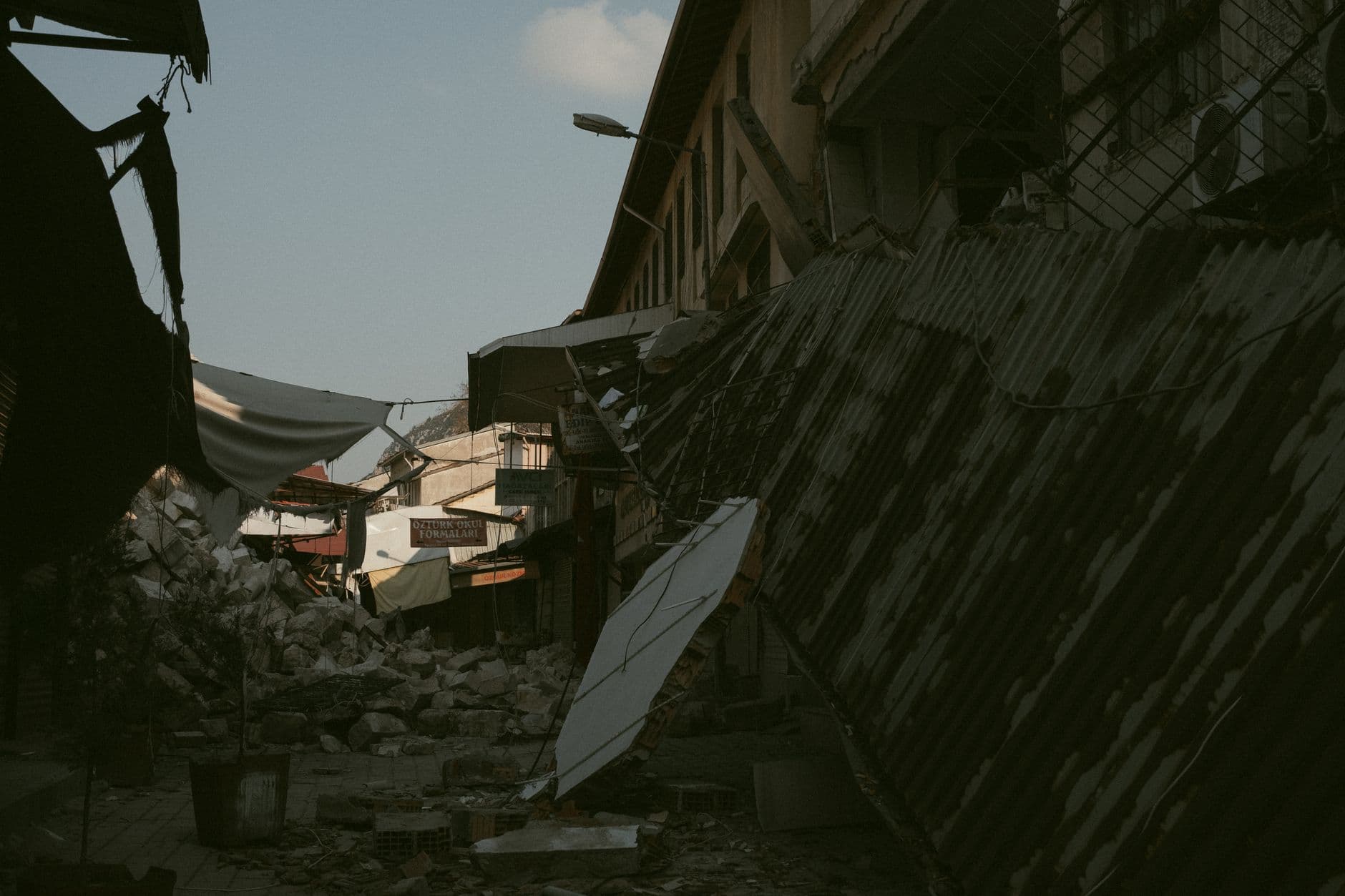
The violence has continued in repeated waves. Israeli strikes in southern Lebanon killed at least 19 people on May 20, including four women and three children, and Reuters reported that strikes on June 10 killed at least 13 people across the south. In one village last month, an airstrike killed 14 people, including 10 women and children, showing how often the dead are counted only after homes have been flattened and neighbors have fled.
The human cost has not been one-sided. Reuters said 28 Israeli soldiers and four Israeli civilians had been killed by early June, while Human Rights Watch said six UN peacekeepers were killed in the crossfire. But in southern Lebanon, the more immediate reality is the slow collapse of ordinary life, one strike at a time, as families bury their dead, pack their belongings and wait for a war that the ceasefire has not stopped.
This article was produced by Prism’s automated news system from verified source data, official records, and press releases, then run through automated quality and moderation checks before publishing. The system is built and supervised by the people who set the standards it runs under. Read our full AI policy.
Did this article answer your question?


