Israel's War With Iran Has Not Resolved Netanyahu's Promised Regional Conflicts
Netanyahu's promises of a transformed Middle East from the Iran war remain unfulfilled, as Gaza, Lebanon, and the Houthis all remain active fronts.
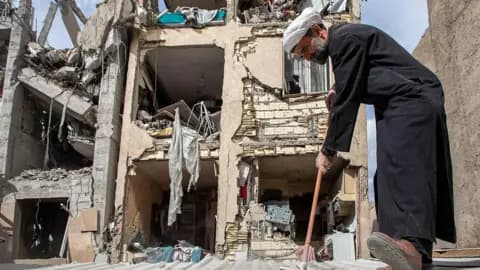
Nearly five weeks into a direct military campaign against Iran, Prime Minister Benjamin Netanyahu's vision of a reshaped Middle East has run headlong into the stubborn persistence of every conflict he promised the war would resolve. Gaza remains mired in deadlock, Hezbollah has not disarmed, the Houthis opened a new front just days ago, and a popular uprising inside Iran that Netanyahu personally endorsed as a war objective has failed to materialize.
Netanyahu told Newsmax on March 31 that his military aims had been achieved "beyond the halfway point," but refused to commit to a timeline for ending an operation that has ignited a month-long regional war and jolted global markets. The careful hedging stands in sharp contrast to the sweeping promises he made just weeks earlier. At his first news conference since the war began, a full 12 days into the conflict, Netanyahu told reporters: "Tremendous things lie ahead, and I am working on them right now."
The most striking gap between promise and reality involves Iran itself. Netanyahu embraced a Mossad plan to spark a popular uprising at the start of the Iran war and is frustrated that those promises have not come to pass. Mossad chief David Barnea had argued the agency could "galvanize the Iranian opposition," ignite unrest, and help bring about regime change following the assassination of senior Iranian leaders. Nate Swanson, a former member of the Trump administration's Iran negotiating team, said he had never seen a "serious plan" to cause an Iranian revolt, and added: "A lot of protesters are not coming into the street because they'll get shot."
The skepticism was not new. Shahar Koifman, the former head of the Iranian branch of Israeli military intelligence, said that attempts to overthrow the regime were doomed to failure from the very beginning. His predecessor, Yossi Cohen, had rejected the idea of fomenting an uprising inside Iran as far back as 2018, calling it a "waste of time."
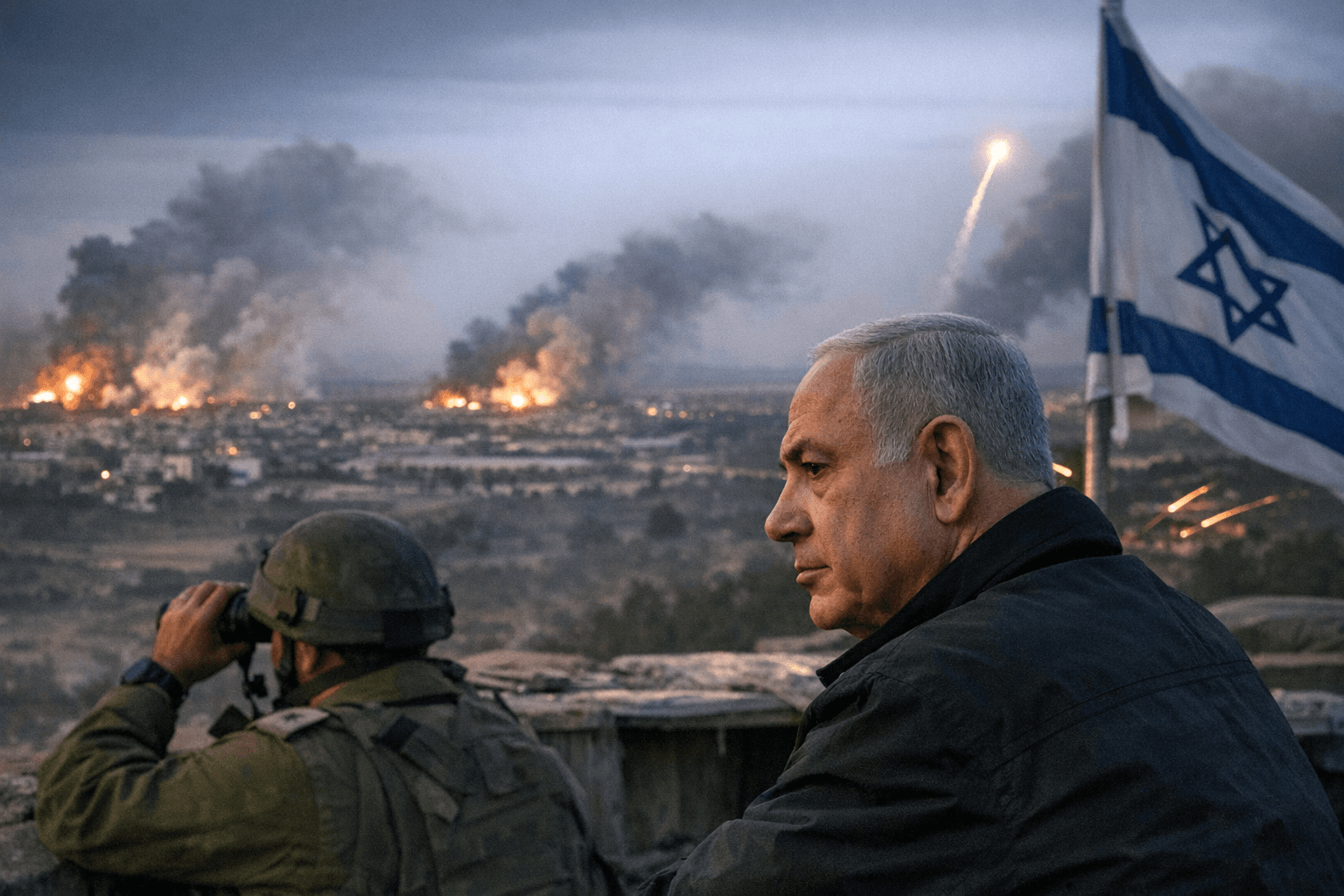
On the broader regional front, the conflicts Netanyahu invoked in a Passover eve address have not been closed. In that speech, steeped in biblical imagery, Netanyahu declared Israel had dealt its enemies "ten plagues," listing strikes against Hamas, Hezbollah, Assad's fallen Syrian regime, Palestinian terror groups, the Houthis, and five direct blows to Iran targeting its nuclear program, missile capabilities, and senior leadership. But the accounting has not matched the battlefield. On March 28, Yemen's Houthi movement announced its entry into the Iran war by firing a barrage of ballistic missiles at southern Israel, opening a new front in the conflict. Houthi military spokesman Brigadier-General Yahya Saree said attacks would continue "until the aggression against all fronts of the resistance ceases."
In Lebanon, Hezbollah faces intensified pressure; the Lebanese government has banned the group's military activities and ordered security forces to prevent attacks from Lebanese territory. Iran has conditioned a ceasefire in the Iran war on ending the Lebanon conflict and Israeli attacks on Hezbollah. The condition effectively ties the resolution of one war to the outcome of another. And in Gaza, Hamas has refused to disarm as required by the Trump peace plan, while Israel has delayed further withdrawals until all plan provisions are fully implemented.
The broader trajectory had been visible before the war began. A January 2026 analysis by the RAND Corporation noted that Iran still funneled some $1 billion to proxy groups in 2025, according to U.S. officials, even as Netanyahu framed the strikes against the axis of resistance as decisive blows. The persistence of those networks now defines the war's central problem: military force has degraded Iran's infrastructure and killed its leadership, but the regional architecture Netanyahu promised to dismantle is still fighting.
This article was produced by Prism’s automated news system from verified source data, official records, and press releases, then run through automated quality and moderation checks before publishing. The system is built and supervised by the people who set the standards it runs under. Read our full AI policy.
Did this article answer your question?


