Italy Calls for EU Deficit Rule Rethink Amid Middle East Energy Crisis
Italy approved €500m in fuel duty relief and warned EU deficit rule talks are inevitable as Middle East energy costs threaten its 2.8%-of-GDP deficit goal.
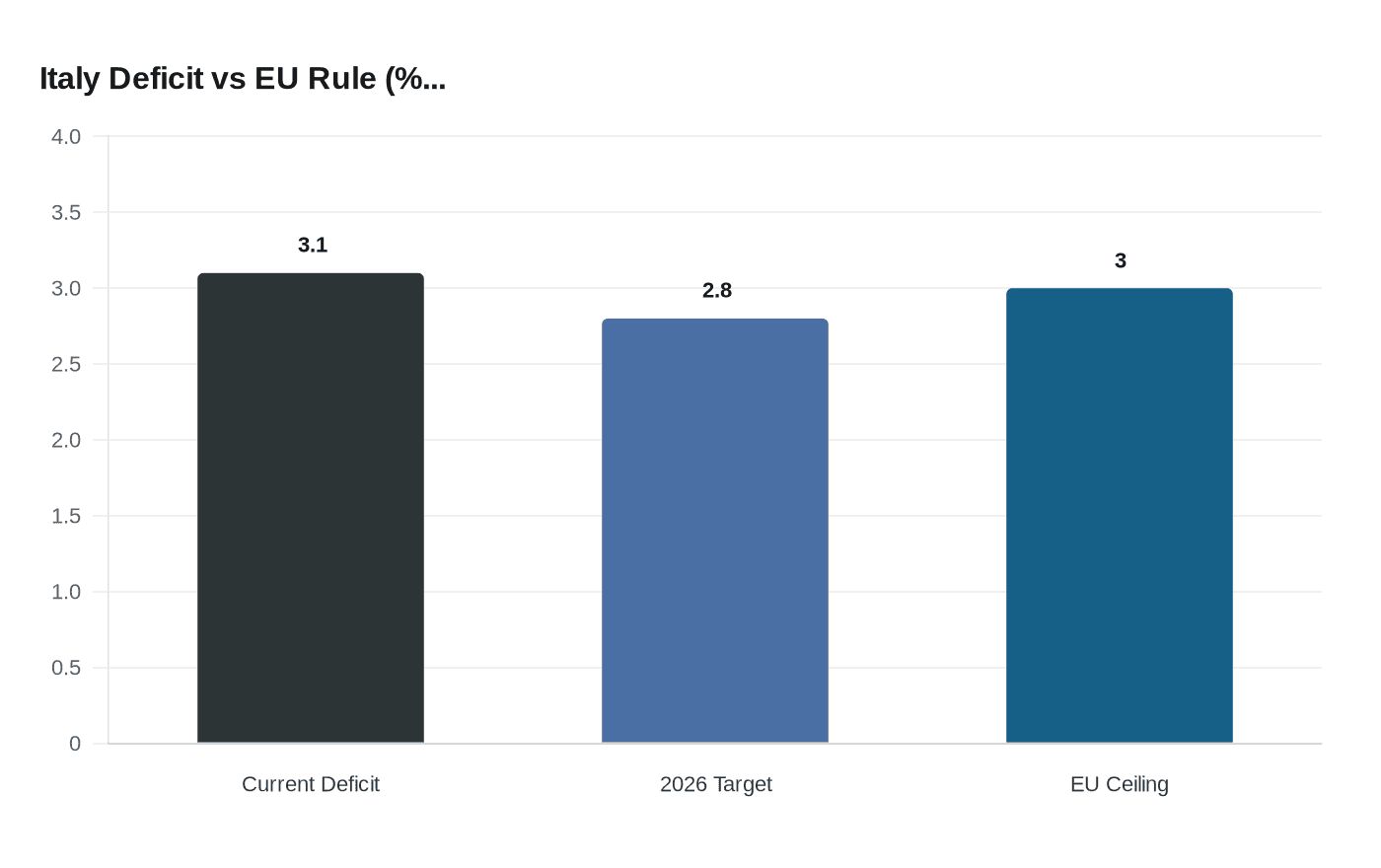
Italy's Economy Minister Giancarlo Giorgetti issued a pointed warning to Brussels on Friday, telling reporters in Rome that unless conditions changed, "discussions at the European level will be inevitable" on whether the EU needs to ease its 3% deficit-to-GDP ceiling.
Giorgetti's comments came as the Italian cabinet approved a decree allocating roughly €500 million to extend a reduction in excise duties on fuels, pushing a scheduled April 7 expiration back to May 1. The measure is designed to stabilize pump prices for Italian consumers and businesses at a moment when energy costs, strained by the ongoing Middle East conflict, are already elevated.
The numbers behind Giorgetti's concern are stark. Italy's government had targeted a deficit of 2.8% of GDP for 2026, down from 3.1%, placing it on a fragile path through the EU's Excessive Deficit Procedure. Sustained energy costs and weaker growth now threaten to derail that trajectory before it takes hold. The government was also preparing to revise downward its 2026 GDP growth forecasts in light of a deteriorating international outlook, with an update to public finance estimates expected imminently.
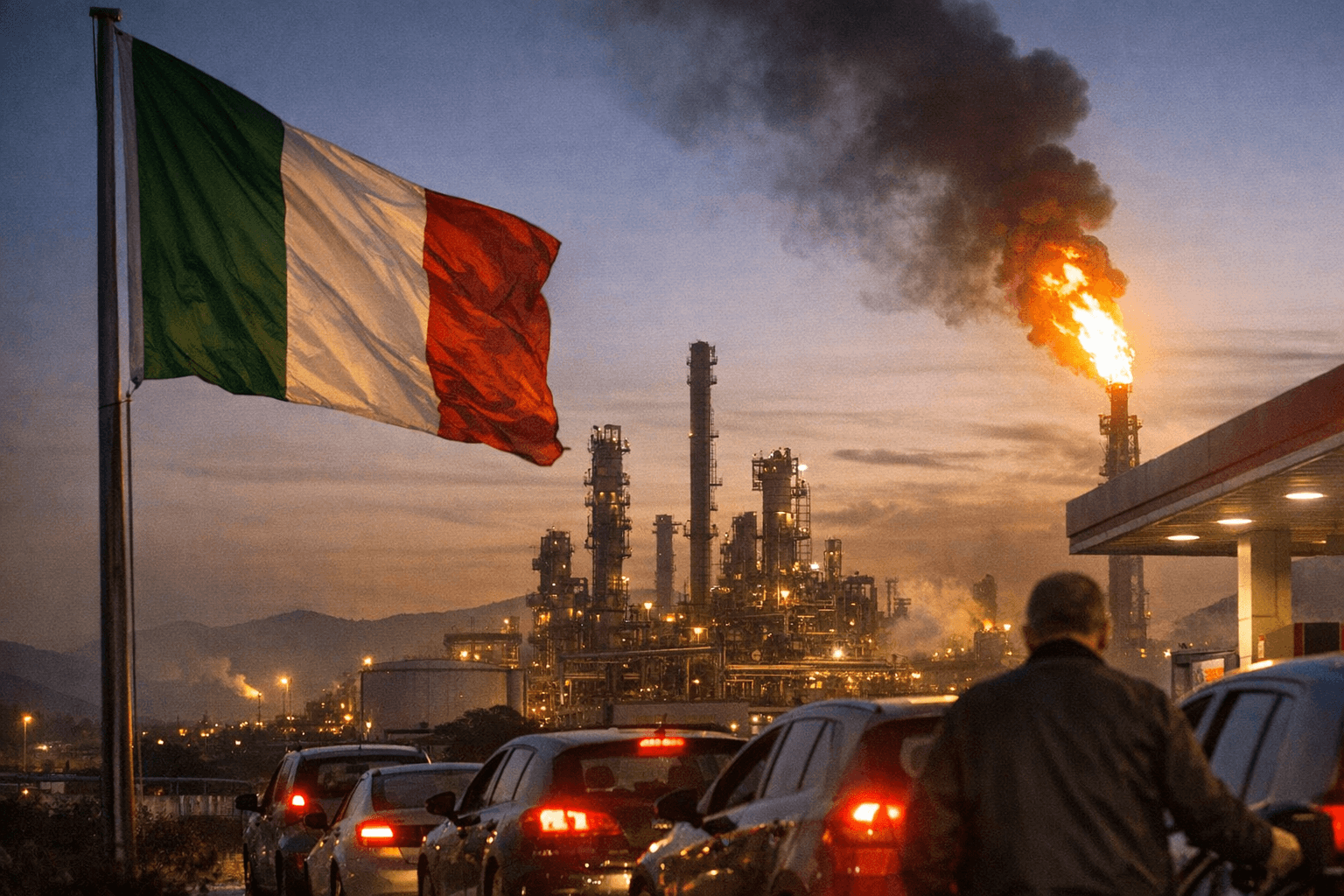
The Bank of Italy reinforced those concerns in a separate report also released Friday, trimming its own growth projections and raising inflation forecasts, directly attributing both revisions to higher oil and gas prices. ECB Governing Council member Fabio Panetta had separately warned that volatile energy markets posed risks to financial stability across the eurozone, adding institutional weight to Rome's push for a policy rethink.
The fiscal logic of any EU-level accommodation is relatively clear: governments absorbing energy shocks through subsidies, duty cuts, or direct transfers need budgetary room that the current rulebook does not easily provide. The EU invoked a broad general escape clause during the COVID-19 pandemic, suspending deficit rules across the bloc, a precedent that now looms over any similar discussion tied to energy disruption.
For Italy, the stakes are particularly acute. The country carries one of the highest debt burdens in the eurozone, making it especially sensitive to upward pressure on borrowing costs. A formal EU relaxation of deficit rules could itself unsettle markets: investors and ratings agencies would weigh whether the easing signals a retreat from fiscal discipline, potentially widening Italian bond spreads and tightening credit conditions across the periphery. If the rules hold and Italy misses its deficit targets, the consequences inside the EU's procedural framework would be equally severe.
Giorgetti's intervention frames Rome not merely as a rule-breaker seeking relief, but as a government arguing that the rules themselves must adapt to geopolitical reality. Whether Brussels and Berlin agree will shape how the eurozone navigates the next phase of the crisis.
This article was produced by Prism’s automated news system from verified source data, official records, and press releases, then run through automated quality and moderation checks before publishing. The system is built and supervised by the people who set the standards it runs under. Read our full AI policy.
Did this article answer your question?

