Italy Limits Court Oversight of Public Tenders, Sparks Protests
Italy's parliament approved a constitutional reform that curtails the Court of Auditors' role in public procurement, a change backed by Prime Minister Giorgia Meloni that has ignited protests from magistrates and opposition lawmakers. The measure now moves to a confirmatory referendum, placing the future of procurement oversight in the hands of voters and raising questions about accountability and fiscal risk.
Italy's parliament has approved legislation that restricts the Court of Auditors' oversight powers over the award and review of public procurement contracts, a measure that supporters say streamlines administration and critics warn will weaken a key check on public spending. The vote in the Senate represents the final parliamentary stage required for constitutional changes, and the reform must now be ratified in a confirmatory referendum for it to take effect.
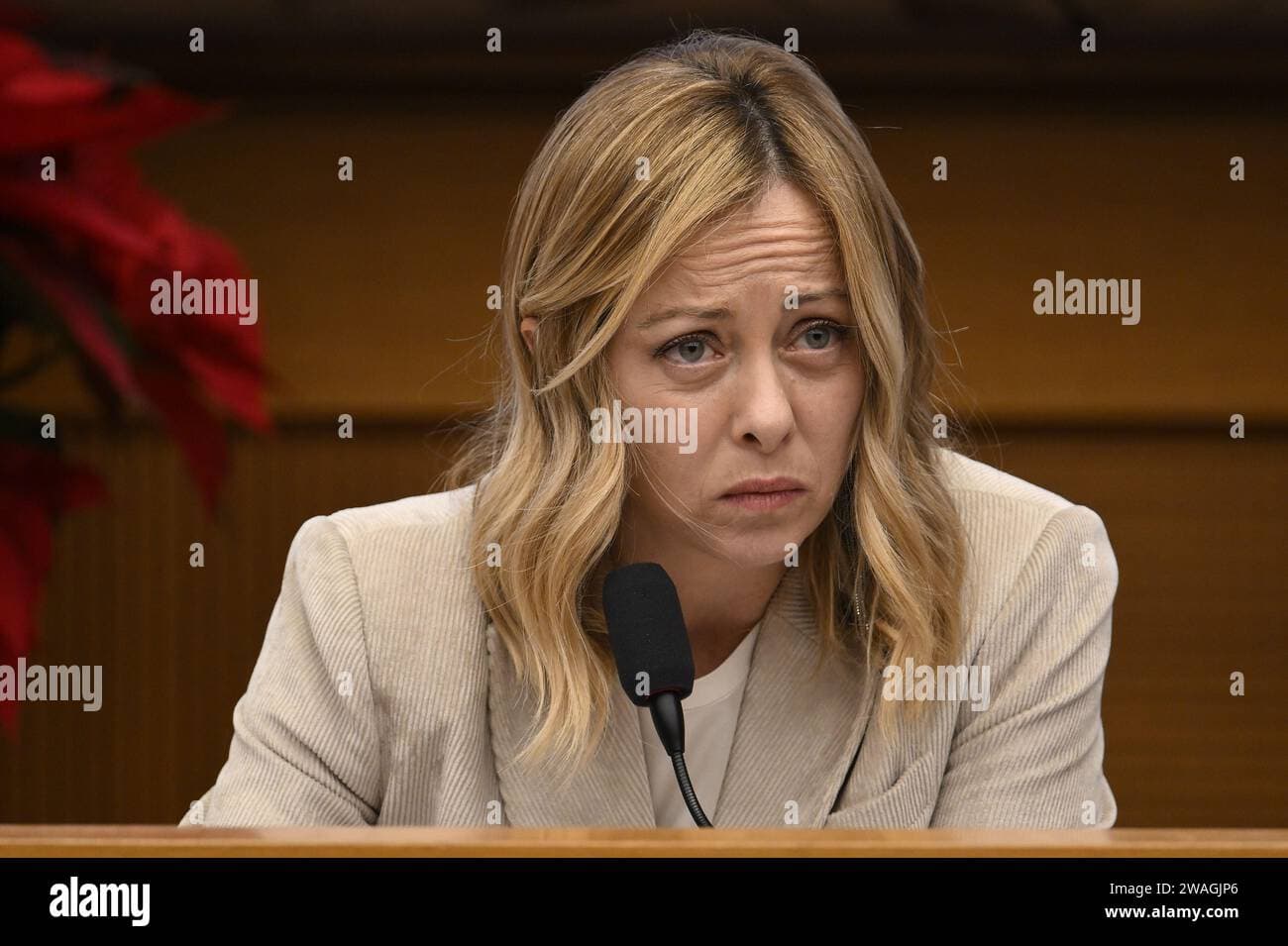
Prime Minister Giorgia Meloni has made the overhaul part of a broader push to reshape aspects of the justice system, and she described the Senate vote as a "historic milestone". Her government framed the change as a modernization step intended to reduce legal uncertainty in awarding contracts and to speed project delivery. Backers, including rank and file members of the governing coalition, celebrated the passage as a consolidation of policy priorities that they argue will improve governance efficiency.
The legislation specifically curtails the Court of Auditors' power to review and possibly block procurement awards, shifting authority away from that court and narrowing judicial or quasi judicial recourse in contract disputes. Magistrates and opposition lawmakers immediately organized protests, warning that the reform could foster wasteful public spending and increase risks of corruption by reducing an independent financial oversight mechanism. Opposition senators staged demonstrations inside the Senate chamber during the debate, arguing the change effectively transfers considerable control over public contracts to the executive.
Street level reactions reflected the political polarization that has accompanied the debate. Supporters of the centre right Forza Italia party marked the vote with public celebrations in Rome, carrying large portraits of former Prime Minister Silvio Berlusconi and chanting in his honor. Demonstrations by magistrates and civil society groups occurred outside parliamentary buildings as well, underscoring the depth of institutional concern among those who enforce financial accountability.

Under Italy's constitutional procedures, approval by both houses is required for changes of this kind. With the Senate vote concluded, the decision now moves to a confirmatory referendum in which citizens will choose whether the amendments enter into force. If the referendum approves the measure, the new limits on the Court of Auditors will become law and the landscape of procurement oversight will be altered.
Policy analysts say the stakes are high because public procurement constitutes a major channel for state expenditure and infrastructure delivery. Changes that reduce external review can speed project timelines but can also diminish transparency and the deterrent effect of independent accountability. The coming referendum will test the electorate's appetite for a recalibration of checks and balances in the management of public funds.
The vote occurred as Prime Minister Meloni received Hungarian Prime Minister Viktor Orban at Palazzo Chigi, underscoring a moment of heightened political activity. The reform now moves from parliamentary approval to a public decision, setting the stage for an intense national debate over institutional oversight, executive authority, and the mechanisms intended to prevent misuse of public resources.
This article was produced by Prism’s automated news system from verified source data, official records, and press releases, then run through automated quality and moderation checks before publishing. The system is built and supervised by the people who set the standards it runs under. Read our full AI policy.
Did this article answer your question?

