Italy Parts Ways With Gattuso After Third Straight World Cup Failure
Gattuso's mutual exit completes a triple resignation at the FIGC, leaving Italy without a manager, federation president, or path forward after a third straight World Cup absence.
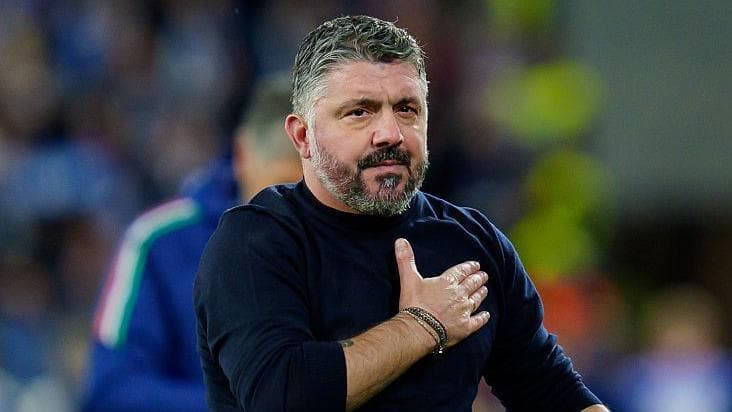
Gennaro Gattuso departed as Italy head coach by mutual consent on Friday, telling the Italian Football Federation that his "experience on the National Team bench" was "over" with a "heavy heart." His exit completed an extraordinary institutional collapse: within 72 hours of Italy's penalty shootout defeat to Bosnia and Herzegovina, the Azzurri had lost their manager, federation president, and head of delegation.
The defeat in Zenica on Tuesday confirmed Italy's third consecutive World Cup absence, following misses in 2018 and 2022. The match itself was a microcosm of the broader dysfunction. Alessandro Bastoni was sent off around the 40th minute, leaving Italy to battle through 120 minutes a man down before the inevitable shootout. Francesco Pio Esposito and Bryan Cristante both missed their spot kicks, and Esmir Bajraktarevic converted the decisive penalty to send Bosnia and Herzegovina to the 2026 World Cup in Group B alongside co-hosts Canada, Qatar, and Switzerland. Italy, a four-time world champion ranked 12th in the world, had lost to a side ranked 66th.
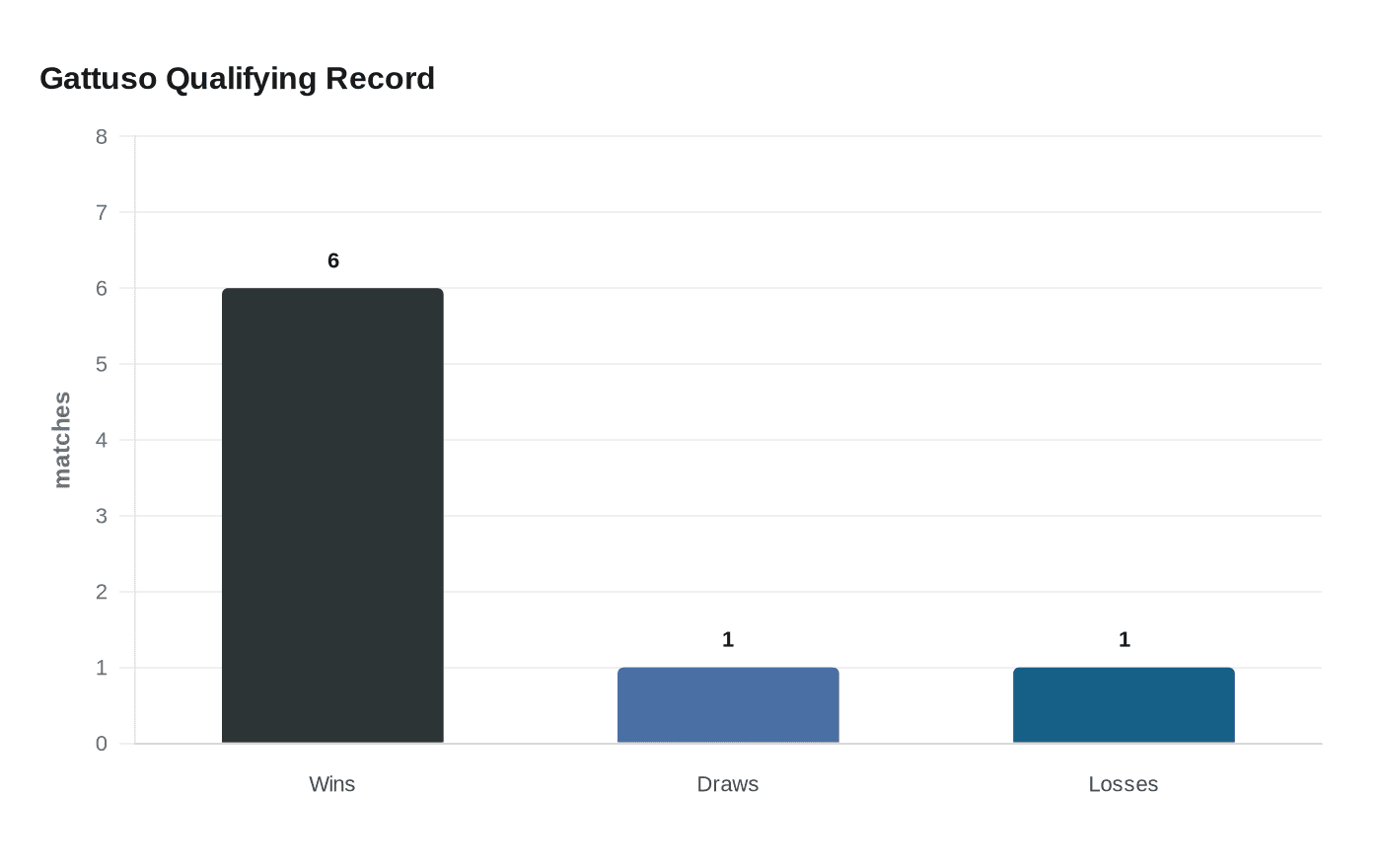
Gattuso, 48, took over from the fired Luciano Spalletti in June 2025 after Italy was already in crisis following a defeat to Norway in qualifying. He inherited a squad that then won six straight matches before losing again to Norway in November, finishing second in the group and dropping into the playoffs. His overall qualifying record, six wins, one draw and one loss in eight matches, was statistically respectable, but the football federation had set one clear benchmark, reaching the World Cup, and he fell short.
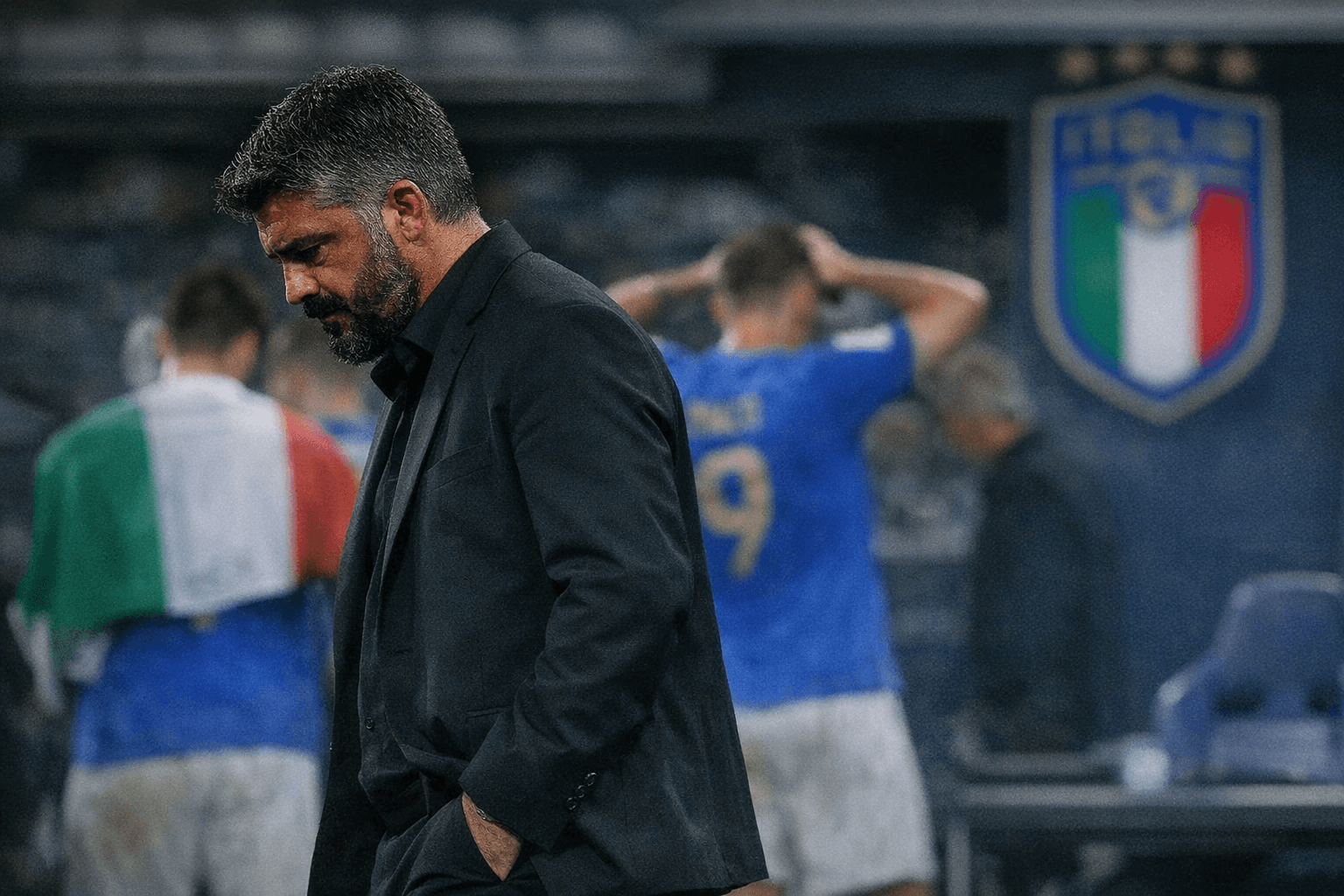
FIGC President Gabriele Gravina resigned on April 2 amid political pressure, two days after the elimination. His exit was quickly followed by Gianluigi Buffon stepping down as the national team's delegation chief. Sports Minister Andrea Abodi had already made the expectation clear: "It's evident to everyone that Italian soccer needs to be overhauled, and that process needs to start with new leadership at the FIGC." Gravina had compounded public anger by dismissing other sports as "amateur" compared to football, a tone-deaf remark given Italy had just claimed a record 30 medals, including 10 golds, at the Milan-Cortina 2026 Winter Olympics. A new FIGC presidential election was called for June 22.
The coaching crisis, as damaging as it is, masks something harder to fix. Coaches' association president Renzo Ulivieri put it starkly: "Soccer has been in trouble since 2006." Players' association president Umberto Calcagno called for new regulations promoting Italian players in Serie A: "A rapid change needs to be made." Changes following the Bosman ruling allowed a surge of foreign players into Italian clubs, limiting opportunities for young domestic talent. Financial difficulties and outdated infrastructure have also played a role, with Italian clubs lagging behind Europe's top earners in revenue. In 2006, three Italian clubs finished in Deloitte's top-seven revenue rankings; by 2025, the highest-ranked Serie A side was Inter Milan, which was then hammered 5-0 by Paris Saint-Germain in the 2025 Champions League final.
The failed reform attempts are almost as dispiriting as the results themselves. After the 2010 disappointment, Roberto Baggio and about 50 collaborators produced a 900-page document titled "Renewing the future," proposing standardized coaching methods and a digital database for player progress. Baggio resigned in January 2013, lamenting that the project had been "literally dead" for a year. The pattern, urgency after failure, institutional inertia afterwards, has repeated itself across three World Cup cycles.
Lega Serie A president Ezio Maria Simonelli seized the moment after Gravina's departure, pressing for greater influence over governance and youth development as the June 22 election approaches. Whether the federation's new leadership treats those demands as genuine reform or political noise may determine whether Italy is still having this conversation after the 2030 World Cup.
This article was produced by Prism’s automated news system from verified source data, official records, and press releases, then run through automated quality and moderation checks before publishing. The system is built and supervised by the people who set the standards it runs under. Read our full AI policy.
Did this article answer your question?

.jpg&w=1920&q=75)
