Italy Probes Activision Blizzard Over Diablo Immortal, Call of Duty Mobile Monetization
Italy's competition authority opened probes into Activision Blizzard's mobile monetization, citing potentially misleading UI, repeated prompts and risks to minors.
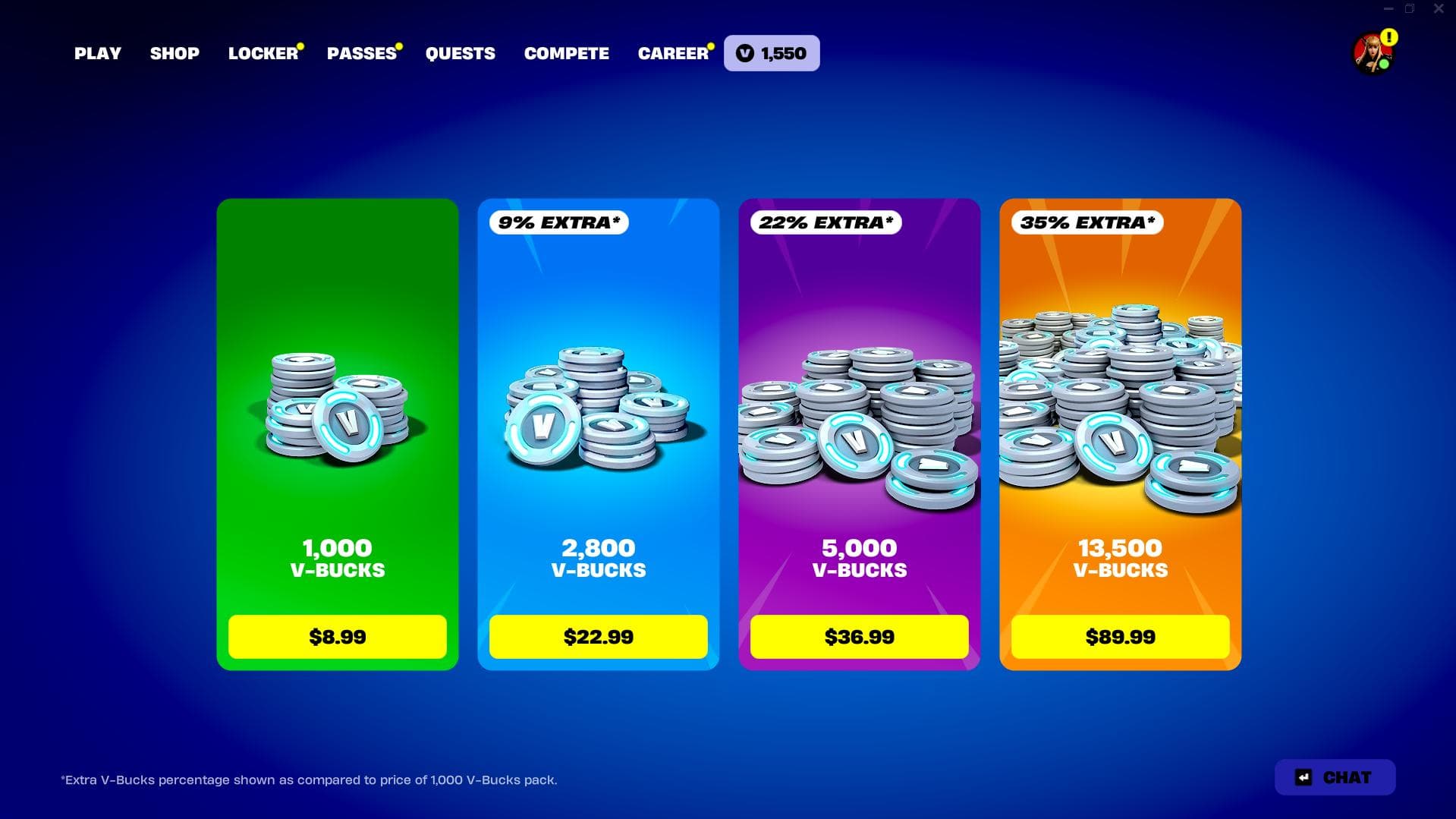
Italy's Autorità Garante della Concorrenza e del Mercato (AGCM) launched formal investigations into Activision Blizzard's mobile titles Diablo Immortal and Call of Duty: Mobile, raising fresh scrutiny of how top-grossing games steer purchases. The regulator said it will examine user‑interface design, repeated prompts, push notifications and bundled virtual currency practices to determine whether those features are misleading or aggressive and could encourage unplanned spending or affect minors.
The AGCM announced the probes on January 16, 2026, and is also reviewing parental-control default settings and consent processes. Investigators will look at whether contractual information and account suspension procedures give consumers clear protection or leave players exposed. The inquiry targets design and policy elements that shape player decisions: how menus present offers, how often prompts interrupt play, how push notifications drive re-engagement and whether currency bundles obscure real-world costs.
For mobile gamers this matters in practical ways. Diablo Immortal and Call of Duty: Mobile are among the industry’s heavy earners, and monetization flows built into gameplay can produce significant microtransaction spend. If the AGCM finds practices that count as unfair commercial conduct, that could force developers to change in-game messaging, slow down prompting cadence, alter notification opt-ins, or make currency prices and bundle breakdowns more transparent. That would affect both players who spend and communities oriented around free-to-play progression, pay-to-win tension and collection mechanics.
Parents and guardians are directly implicated by the focus on minors and parental controls. The investigation highlights potential gaps between what platforms and games offer by default and what conscientious adults expect when setting limits for younger players. Community moderators and clan leaders who see accidental or underage purchases may see this push regulators to demand clearer consent flows and easier purchase-reversal or account-restoration mechanisms.

For players and parents today, practical steps are simple and immediate: review in-game purchase settings, tighten platform-level purchase controls, and disable push notifications that can encourage impulsive buys. Keep an eye on bundled currency offers and mentally map package prices back to real-world dollars or euros before purchasing.
The AGCM probe is ongoing, and any rulings could set a precedent for how regulators treat mobile monetization across Europe. Expect developers to respond with UI and policy tweaks if regulators press for change, and watch for updates that may alter how offers, notifications and parental controls work in your favorite mobile shooters and ARPGs.
Know something we missed? Have a correction or additional information?
Submit a Tip