Iyengar Yoga Trial Seeks Improved Biofunctional Age, Heart Biomarkers in Postmenopausal Women
A randomized trial protocol was accepted to test whether Iyengar Yoga can lower biofunctional age and improve cardiovascular biomarkers in postmenopausal women.
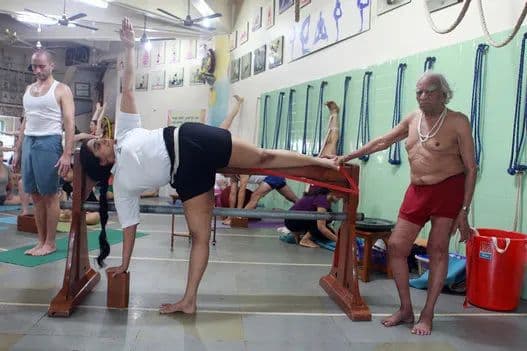
A randomized controlled trial protocol was accepted on February 9, 2026, to investigate whether Iyengar Yoga can alter biofunctional age and cardiovascular risk-associated biomarkers in postmenopausal women. The study, titled "G.A Study Protocol for a Randomized Controlled Trial Investigating the Influence of Iyengar Yoga on Biofunctional Age and Cardiovascular Risk Associated Biomarker of Postmenopausal Women," has cleared a key step toward clinical implementation and could reshape how teachers and studios approach classes for older women.
The protocol frames biofunctional age as a physiological measure that can diverge from chronological age and identifies cardiovascular biomarkers as concrete targets tied to disease risk. While the protocol itself specifies the trial design as randomized and controlled, the accepted status signals that investigators are ready to move from planning to participant recruitment and intervention. For the yoga community, that progression is the practical news: this trial will test whether the alignment-focused, prop-assisted Iyengar method yields measurable changes in aging physiology and heart-health indicators beyond subjective wellbeing.
Iyengar Yoga’s emphasis on precise alignment, sustained holds, and use of props such as blocks and belts makes it well suited for older practitioners and for interventions requiring standardization across instructors and sites. Potential mechanisms the trial will probe include improved autonomic balance, reductions in systemic inflammation, better vascular function, and gains in functional strength and balance that together could lower biofunctional age. Those mechanisms align with what many teachers observe in class but have not yet been quantified in a controlled trial focused on postmenopausal cardiovascular risk.

Community relevance is immediate. Postmenopausal women face elevated cardiovascular risk and accelerated shifts in physiological age. If the trial demonstrates benefit, studios and community centers could adopt Iyengar-informed sequences as part of preventive health programming, insurers and physicians might refer patients to certified Iyengar teachers, and training programs could prioritize therapeutic modalities for older adults. For teachers, the study highlights the value of precise cueing, accessible modifications, and safe sequencing when designing classes for this demographic.
What comes next is recruitment and the intervention phase, followed by data collection and analysis. Results will determine whether observed classroom benefits translate into changes in biofunctional age and heart biomarkers. Until then, teachers and practitioners can prepare by strengthening therapeutic skills, deepening training in alignment and props, and considering partnerships with local health providers to support future referrals. The trial’s acceptance is a milestone for yoga research and a step toward evidence-based programs that speak directly to aging bodies and heart health.
Know something we missed? Have a correction or additional information?
Submit a Tip