JABSOM wins $1.1M AMA grant to modernize physician training
University of Hawaiʻi medical school received $1.1 million to expand personalized continuing education, potentially improving care and clinician training across Kauaʻi.
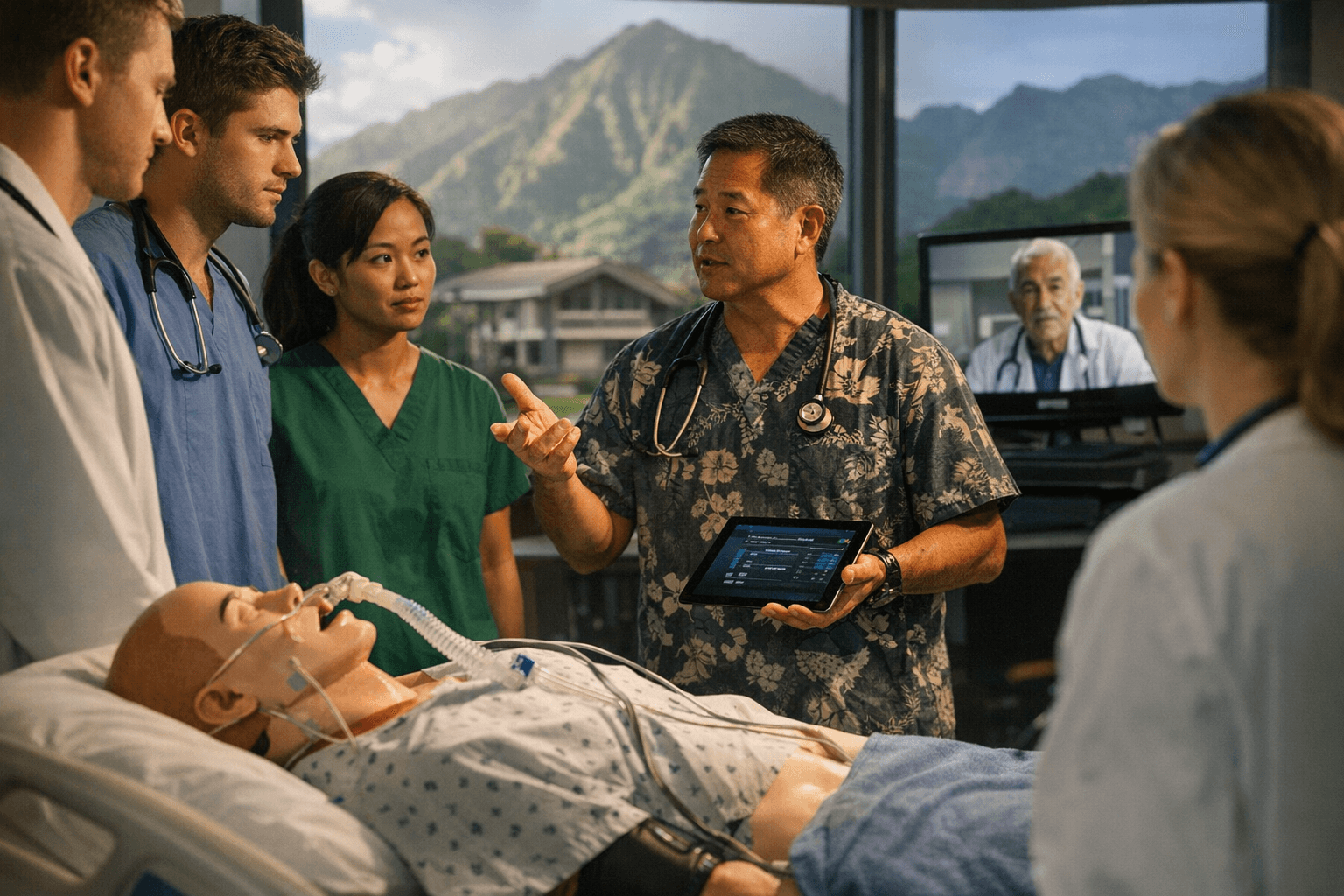
The University of Hawaiʻi John A. Burns School of Medicine (JABSOM) was selected as one of 11 teams to receive funding from the American Medical Association’s Transforming Lifelong Learning Through Precision Education Grant Program, a $12 million national investment to reshape continuing medical education. JABSOM’s $1.1 million award will support innovations that use personalized learning and advanced technology to make physician training more effective and accessible.
The award, announced Jan. 16, 2026, is aimed at improving how practicing clinicians update skills and knowledge over the course of their careers. For Kauaʻi residents, that shift could mean better-trained local providers, reduced need for travel to Oʻahu for courses, and more timely adoption of practices that affect patient care on the island. Improving continuing education can contribute to more consistent care across Hawaiʻi’s neighbor islands, where workforce shortages and geographic isolation complicate access.
Personalized learning models use assessments and data to tailor instruction to individual clinicians’ needs, while advanced technology can include remote platforms and adaptive curricula that fit busy schedules. Though the grant program is national, its investment in JABSOM positions Hawaiʻi to pilot strategies that recognize the unique needs of rural and island-based health systems. That includes focusing resources on upskilling clinicians who provide primary care, emergency services, behavioral health care and other essential services critical to Kauaʻi’s communities.
From a public health perspective, strengthening continuing education addresses systemic issues that contribute to health inequities. Rural clinicians often lack the time and resources to participate in off-island training, and uneven access to up-to-date professional development can widen gaps in care quality. By funding tailored, technology-enabled learning, the grant could help level that playing field and support retention of clinicians who might otherwise leave for more connected training environments.
Healthcare policy implications include the potential for new models of accredited continuing education that are more responsive to performance data and regional needs. If JABSOM’s work demonstrates measurable improvements in clinician competence and patient outcomes, it could inform state-level decisions about workforce development funding, telehealth support, and incentives tied to ongoing learning.
For Kauaʻi residents, the most tangible effects would come from better-equipped clinicians and a more resilient local health system. Over time, personalized CME could reduce delays in adopting best practices, improve management of chronic conditions common on the island, and expand access to specialty knowledge without requiring travel.
Next steps will hinge on how JABSOM implements the grant-funded programs and how quickly those tools are integrated into continuing education options available to Kauaʻi clinicians. If successful, the investment may shore up local care capacity and help ensure that island patients receive care informed by the latest evidence and tailored to the realities of practicing medicine across Hawaiʻi.
Sources:
Know something we missed? Have a correction or additional information?
Submit a Tip