Jackson defeats Trump-backed Jones in Georgia governor runoff
Rick Jackson, a health care executive who spent more than $100 million, beat Trump-backed Burt Jones in Georgia’s governor runoff, exposing cracks in Trump’s sway.

Rick Jackson’s victory over Burt Jones turned Georgia’s Republican runoff into a sharp test of Donald Trump’s grip on the party in a state that will help decide the 2026 map. Jackson, a wealthy health care executive and political newcomer, overcame Trump’s endorsement, a late boost from Gov. Brian Kemp and Jones’ early advantage to win by about six points.
The runoff on June 16, 2026, sharpened a contradiction inside Georgia Republicans. Trump still had enough pull to carry some candidates, but not enough to deliver the party’s marquee governor’s race. Jackson was projected to win after spending more than $100 million of his own money, a scale of self-funding that proved powerful enough to outweigh the president’s backing for Jones.
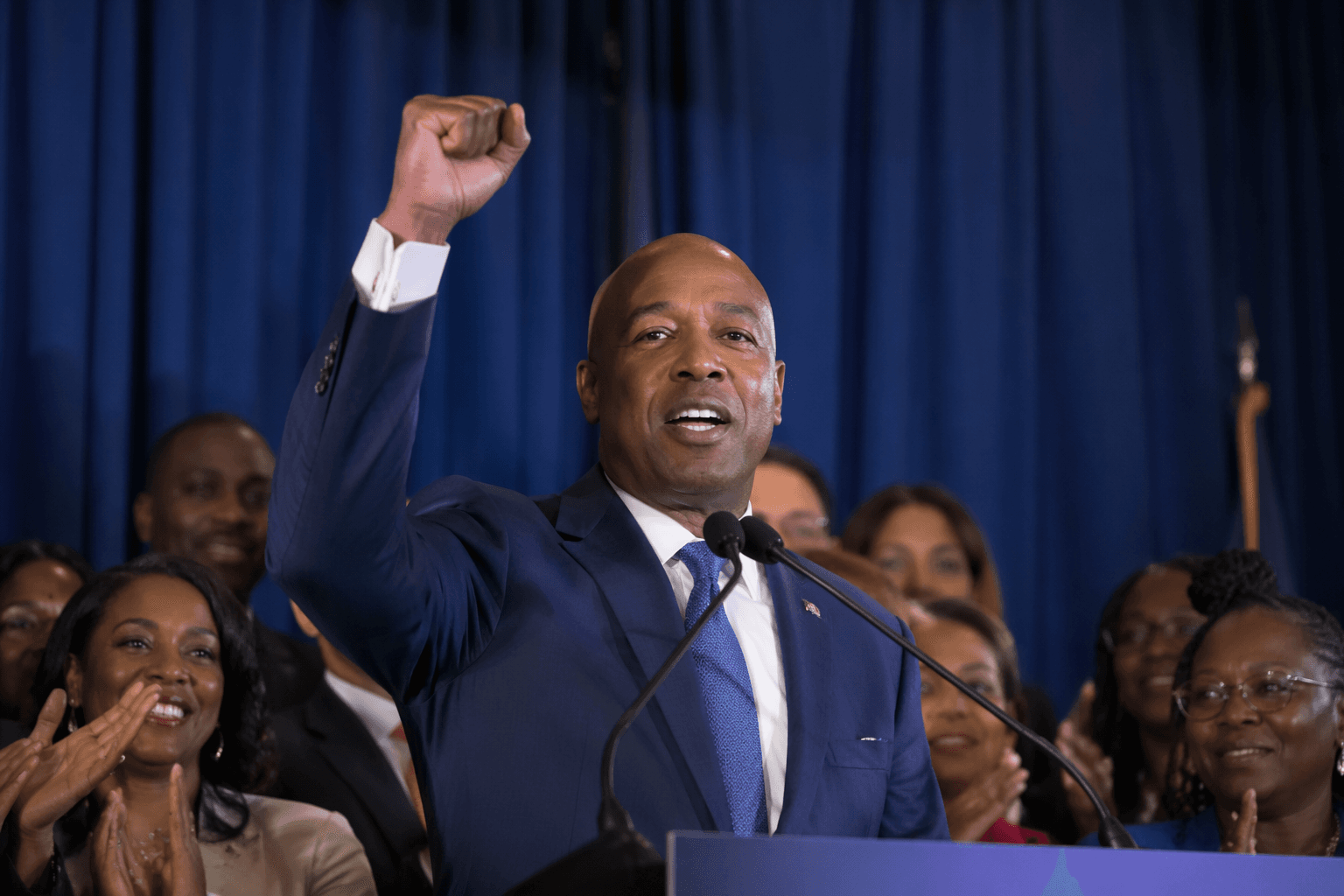
Jones had finished first in the May 19 primary with 38% of the vote, while Jackson took 32%, forcing the head-to-head race. When the runoff was called, Jackson was ahead about 53% to 47%, a margin that underscored how much ground Jones could not make up even after Kemp lined up behind him in the final days.
Jackson’s biography helped define the race. Several reports described him as a billionaire who grew up in poverty and spent part of his childhood in Atlanta public housing, a background that gave him an outsider profile unusual in a Republican primary dominated by established figures and presidential politics. In a year when Trump’s endorsement still mattered, Jackson showed that money, biography and a message aimed at disaffected voters could still break through in Georgia.
The result was not a clean defeat for Trump across the board. On the same night, Trump-backed Mike Collins won the GOP Senate runoff, setting up a general election showdown with Sen. Jon Ossoff. That split outcome made Georgia’s primary season look less like a straightforward loyalty test than a referendum on competing Republican power centers, with Trump and Kemp sometimes backing different candidates and different theories of how the party should win statewide.
Jackson will now face Democratic nominee and former Atlanta Mayor Keisha Lance Bottoms in November. For Georgia Republicans, his win suggests that Trump’s endorsement remains potent, but not absolute, and that the party’s 2026 coalition may be built as much on money and local calculation as on presidential blessing.
This article was produced by Prism’s automated news system from verified source data, official records, and press releases, then run through automated quality and moderation checks before publishing. The system is built and supervised by the people who set the standards it runs under. Read our full AI policy.
Know something we missed? Have a correction or additional information?
Submit a Tip