Lewis George leads D.C. mayoral race as ranked-choice count continues
Janeese Lewis George led Kenyan McDuffie 53% to 37% as D.C.’s first ranked-choice mayoral count began, turning the open race into a test of urban progressive politics.
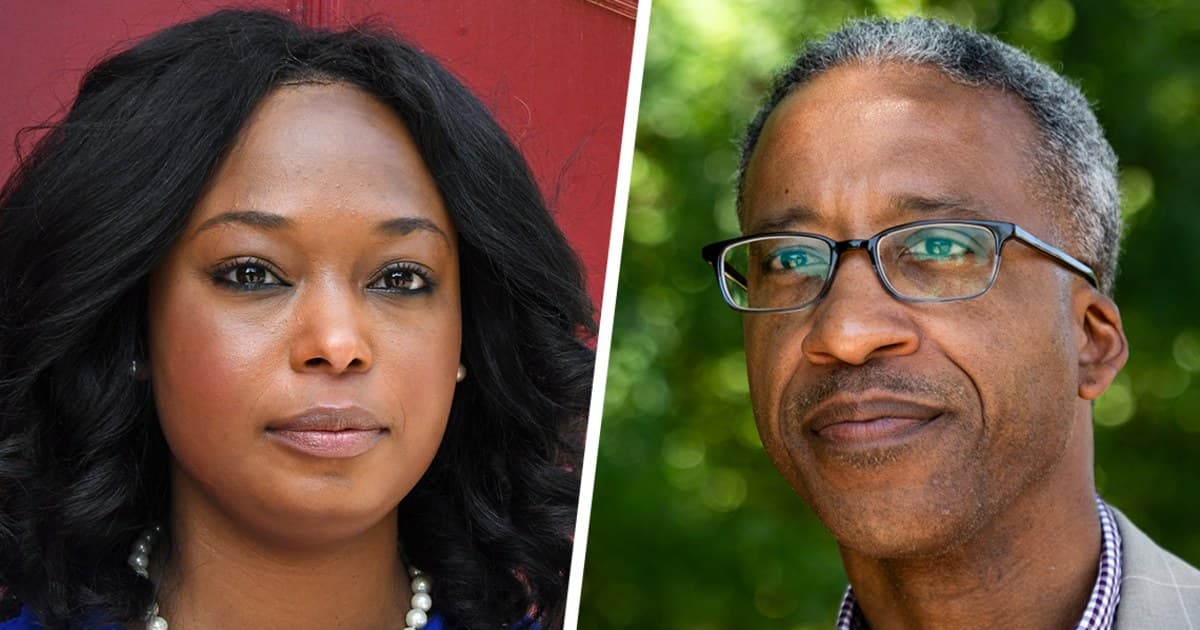
Janeese Lewis George took a clear first-place lead in Washington’s mayoral primary, but the city’s first ranked-choice count kept the outcome unsettled as about two-thirds of the expected vote was tallied. Lewis George held 53 percent of first-place votes to Kenyan McDuffie’s 37 percent, leaving the rest split among five other Democratic candidates and putting the race into a redistributive process that could still change the final result.
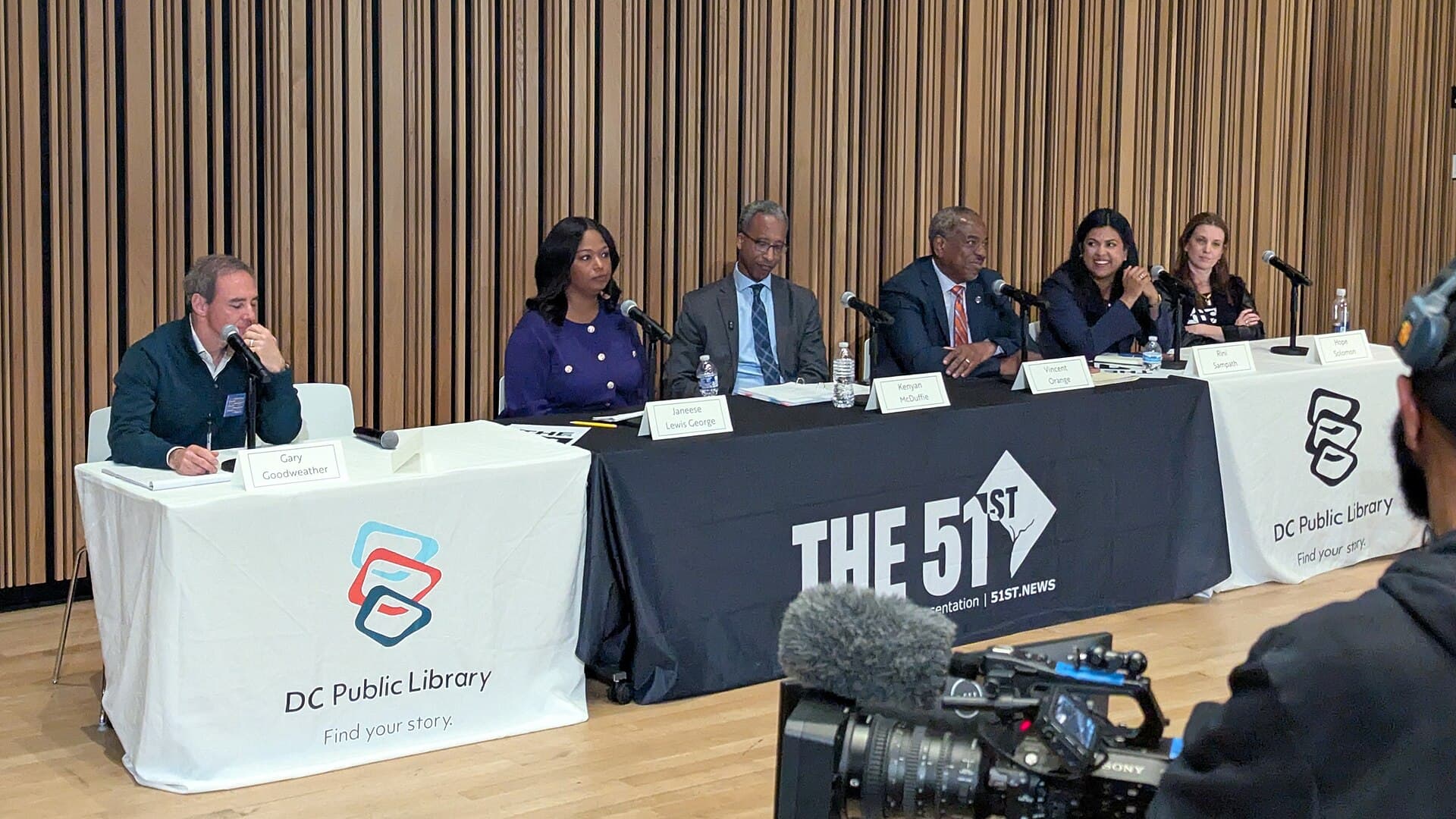
The contest carries unusual weight because Muriel Bowser did not seek re-election, opening the District’s first race for mayor since 2014. Seven Democrats ran in the June 16 primary, and the District of Columbia Board of Elections began using ranked-choice voting in eligible contests with three or more candidates this year, allowing voters to rank up to five candidates. That makes the mayoral contest not only a battle for City Hall, but also the first major test of how the city’s new voting system will shape power in heavily Democratic Washington.

Lewis George, who represents Ward 4 on the D.C. City Council, has campaigned as a democratic socialist focused on housing, childcare and affordability. McDuffie, a former at-large councilmember, has cast himself as the more centrist Democrat in the field, stressing public safety and costs. The contrast has turned the race into a national marker for whether urban voters are prepared to reward a more explicitly left-leaning governing agenda on housing and public services, or whether a pragmatic, order-focused message still has broader appeal.

The campaign has also been a proxy fight over Washington’s relationship with Donald Trump and Congress. Trump said he would consider a federal takeover of the city if Lewis George wins, a threat that both Lewis George and McDuffie rejected. Bowser backed McDuffie, adding to the sense that the race has split the city’s Democratic establishment from its insurgent wing.

Lewis George entered the final stretch with momentum in the polls and a broad donor network. A May 20 City Cast DC poll showed her ahead 39 percent to 34 percent, while an early June Washington Post-Schar School poll put her at 36 percent to McDuffie’s 25 percent, with about one in four voters still undecided. Her campaign said more than 6,500 District residents had contributed, which it described as the highest number of individual donors ever to support a D.C. mayoral primary candidate. As supporters erupted when the first results came in Tuesday night, the city’s new count method and its open mayor’s race together underscored how much is at stake in the capital’s next political chapter.
This article was produced by Prism’s automated news system from verified source data, official records, and press releases, then run through automated quality and moderation checks before publishing. The system is built and supervised by the people who set the standards it runs under. Read our full AI policy.
Know something we missed? Have a correction or additional information?
Submit a Tip